Latinx Artists Are the New Visionaries
Without guarantees of commercial or institutional rewards, their work stems from a shared conviction: We have rich cultures to offer, and we will tell our stories by any means necessary.
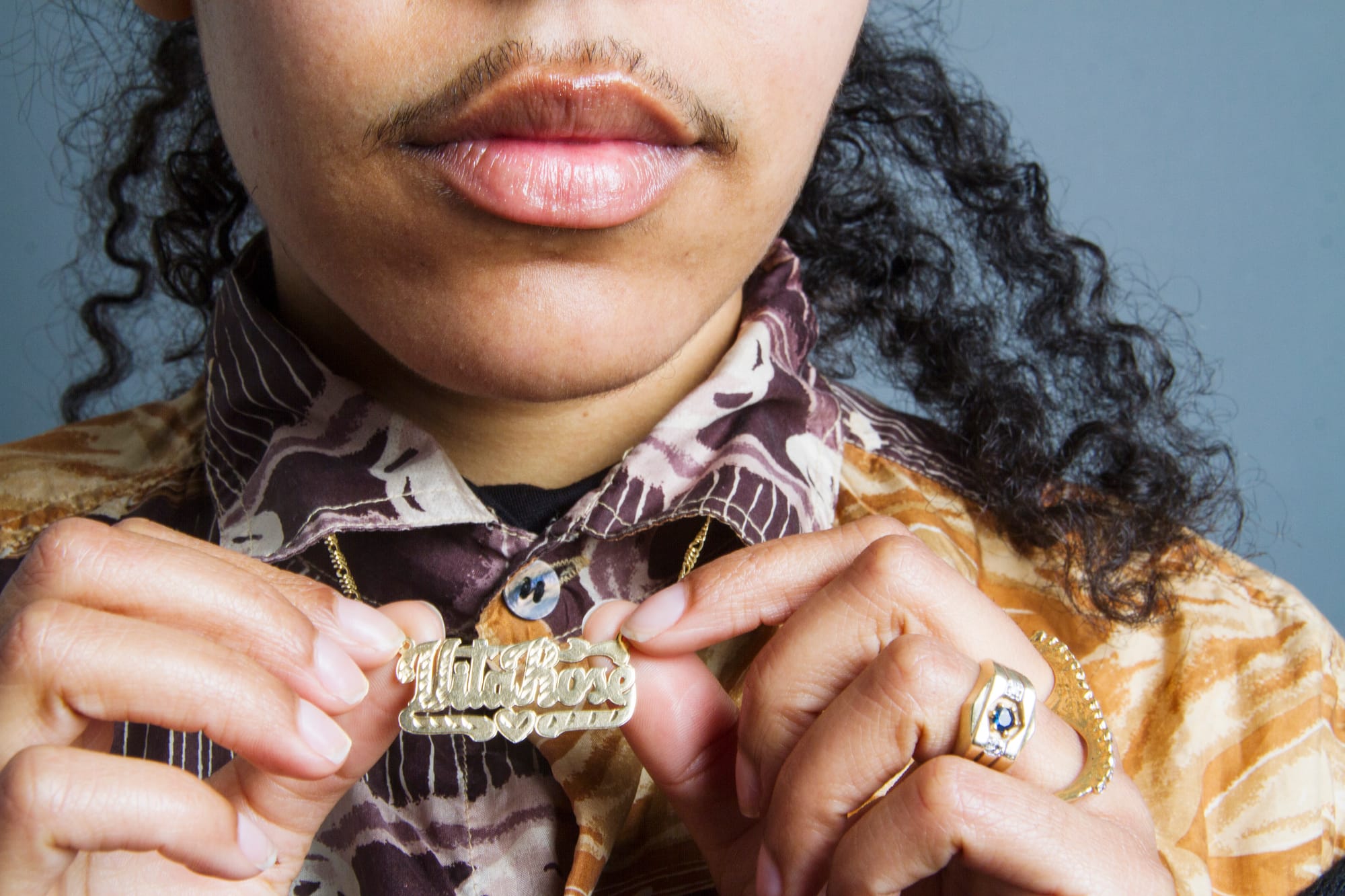
Latinx communities are enduring aggressive attacks, with many families facing separation and dehumanization. Yet, in the realm of Latinx arts and culture, artists are displaying newfound confidence and showcasing the full value and complexity of their identities. These new visionaries are creating work rooted in their communities, drawing from vernacular traditions, oral histories, and family memories that were once marginalized.
Their work challenges traditional aesthetic repertoires and expands them to include Mexican-American communities, neighborhoods, and Black and Brown queer nightlife. Artists like Willy Chavarria and Raul Lopez (Luar) draw inspiration from working-class aesthetics, immigrant youth, and urban street culture, crediting their sources of inspiration and using street-cast Black and Brown models to communicate a richer, more inclusive vision.
Gina Gwen Palacios in Brownsville, Texas, elevates the rich legacy of Mexican-American communities in her paintings, challenging historical marginalization and directly confronting the land's appropriation by space companies. The political significance of these artist-led projects cannot be ignored, as they center residents' memories and their continued ties to the land, directly challenging settler-colonial narratives.
This spirit of Latinization is evident in New York City's public art, where artists draw on marginalized elements of history, such as Afro-Indigenous heritage and the city's Latinx and multicultural history, challenging the erasure of their presence across the city's memorial and monument landscape. Despite continued marginalization, Latinx artists' work demonstrates resilience and the transformative power of art and culture as tools of empowerment and continuity.
Written by urgent.news from Hyperallergic's reporting — not their text. Machine-written — may contain errors; check the original before relying on it.