Kuala Lumpur, beyond its landmarks
Kuala Lumpur, beyond its landmarks
Since April last year, historic and heritage buildings across the heart of Kuala Lumpur have taken on a new appearance. Their core essence remains intact, but changes include fresh paint, restored details, and a renewed sense of life around these familiar landmarks. This transformation is the result of a joint effort between Kuala Lumpur City Hall and Think City, known as the Warisan KL initiative. The initiative aims to preserve the city's unique stories, memories, and values as it continues to grow and modernise.
The Kuala Lumpur Old Railway Station, originally the third main railway station in the city, has several stories hidden behind its grand facade. It was built in three stages, with the first station opening in 1886. The first station was demolished to make way for the current one, which was completed by brothers John Archibald and Philip Charles Russell, who were initially deemed too young and inexperienced for the project.
The station played a significant role in the city's history, hosting a gathering in 1946 against the proposed Malayan Union and the appointment of Sir Edward Gent as its governor.
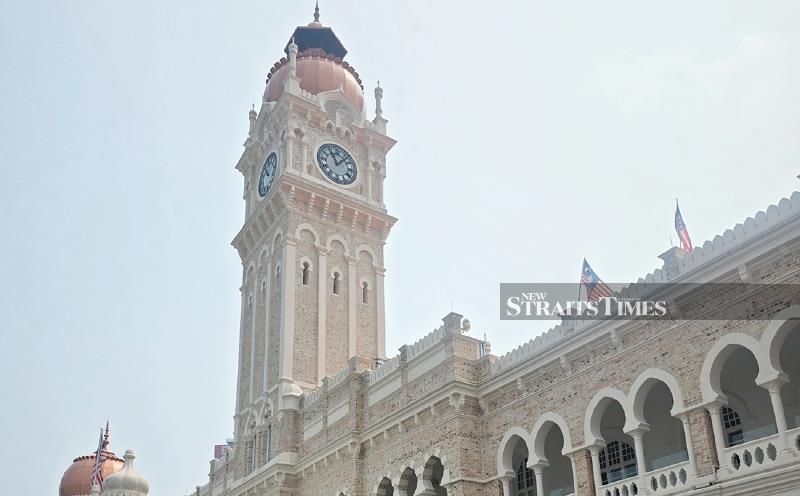
Sultan Abdul Samad Building, another iconic landmark, holds more than just its recognisable clock tower and grand facade. Before gaining its current form, a small piece of its history was hidden beneath its foundations. When the foundation stone was laid in 1894, coins, a piece of Selangor tin, and a copy of Selangor Journal were placed in a cavity beneath it, serving as a snapshot of Kuala Lumpur during that time.
The building itself underwent several design changes before settling into its current Indo-Saracenic architectural style. The inaugural celebration of the building's completion in 1987 featured a dinner and ball, marking the first use of gas burners to illuminate the exterior in Kuala Lumpur.
Medan Pasar, once an area associated with gambling, opium dens, and brothels, also carries a colourful past. The market, linked to Yap Ah Loy, was originally built in 1882 with conditions that it be constructed with brick piers and a galvanised-iron roof. The land was granted to Yap only for his lifetime, and upon his death in 1885, the government took over the site, relocating the market.
The clock tower in Medan Pasar, erected in 1937 to commemorate the coronation of King George VI, stands out among the square's recognisable features, though an electrical substation is less visible.
Written by urgent.news from New Straits Times's reporting — not their text. Machine-written — may contain errors; check the original before relying on it.