Japan’s economy unexpectedly shrinks in July-Sept as consumption falters
The first contraction in four quarters underscores Japan's uneven economic recovery, with households still facing persistent inflation despite rising wages.
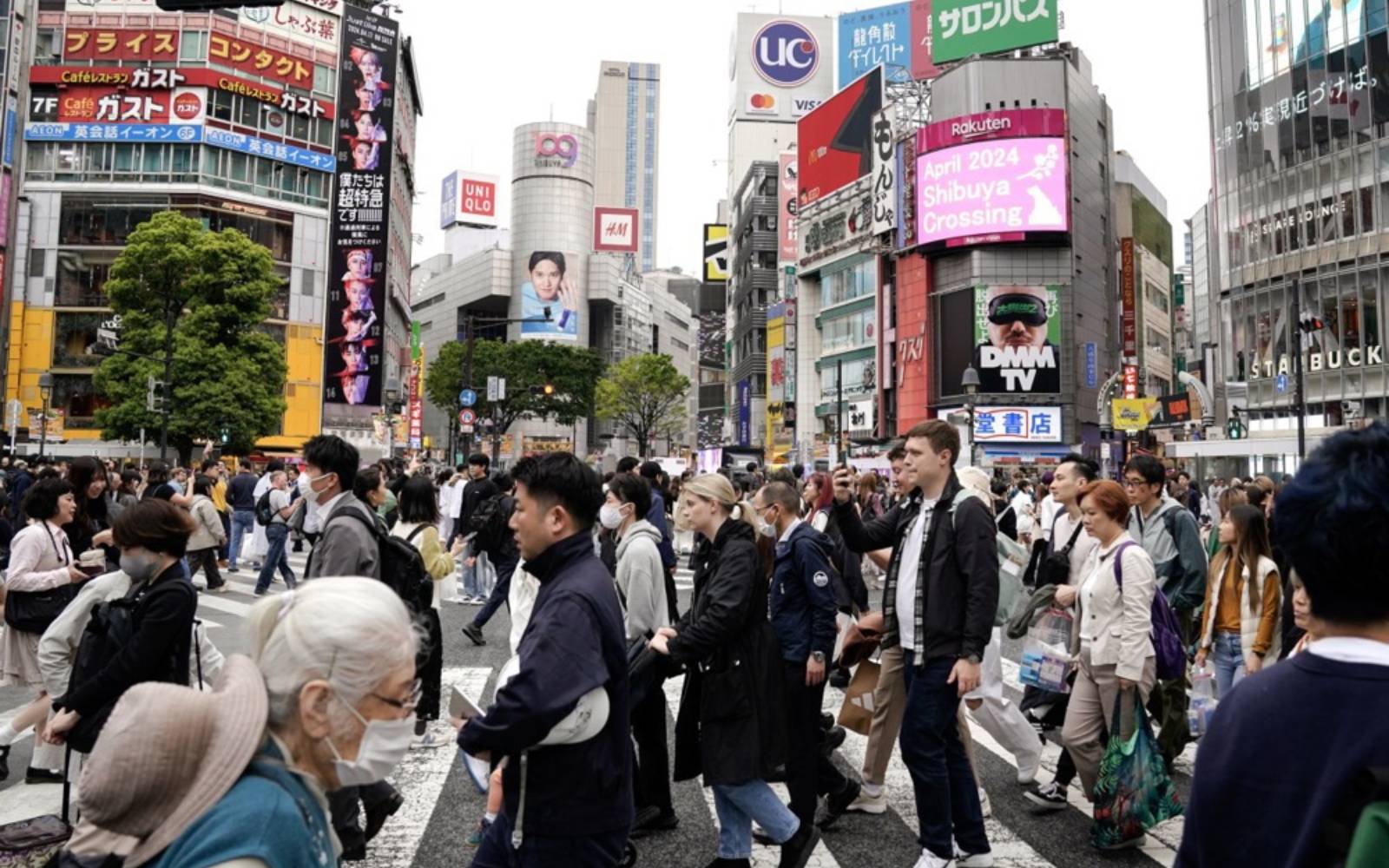
In the July-September quarter, Japan's economy experienced a contraction of 0.1% on an annualized basis, according to government data released on Monday. This decline marked the first contraction in four quarters and highlighted the uneven nature of Japan's economic recovery. Despite rising wages, households remained vulnerable to persistent inflation, which continues to impact their living costs.
The GDP data fell short of the median market forecast of 0.3% annualized growth, as reported by a Reuters poll. This was in contrast to the previous quarter, which had seen a revised 1.7% expansion. Private consumption, which accounts for more than half of economic output, declined by 0.3% compared to the market estimate of a 0.2% decline.
Household spending was negatively affected by persistent price pressures and adverse weather conditions, including heavy rain and typhoons during the quarter. Automobile and air conditioner demand fell after a temporary boost in the prior quarter due to tax and regulatory changes. Capital spending, a crucial factor in private demand growth, increased by 1.6% compared to the market forecast of a 1.5% increase.
This growth was driven by investments in labor-saving technologies and AI-related projects. However, net external demand, calculated as exports minus imports, contributed a drag of 0.6 percentage points to GDP growth. Imports surged due to a recovery in oil and energy purchases following Japan's diversification of procurement following disruptions caused by the Middle East war.
The latest data will be closely examined by the Bank of Japan as it evaluates the economy's ability to withstand further interest rate hikes. With high energy costs and rising import prices due to a weak yen persisting, the BOJ has intensified its policy tightening measures this year, raising interest rates in June and September.
A monthly survey by the Japan Center for Economic Research of 37 economists predicted that the economy would grow by 0.89% in fiscal 2026 and 1.02% in fiscal 2027, indicating that economists anticipate modest but resilient growth. Despite these challenges, longer-term growth issues remain at the forefront, with the International Monetary Fund projecting that Japan will fall to the world's sixth-largest economy in nominal dollar terms by 2027, behind only Germany, the United States, China, India, and the United Kingdom.
Written by urgent.news from Free Malaysia Today's reporting — not their text. Machine-written — may contain errors; check the original before relying on it.
Other reports of this story
- Japan’s economy unexpectedly shrinks as consumption falters freemalaysiatoday.com
- Japan’s economy unexpectedly shrinks in July-September as consumption falters investing.com
- Japan's economy unexpectedly contracts in third-quarter as elevated energy costs bite cnbc.com
- Japan's economy unexpectedly shrinks in July-September as consumption falters channelnewsasia.com