Impressionist beauty ideals aligned with modern clinical classifications of obesity
By using artificial intelligence to estimate the body mass index of female figures in 19th-century paintings, researchers reveal how historical ideals of beauty contrast starkly with today’s demands for extreme thinness.
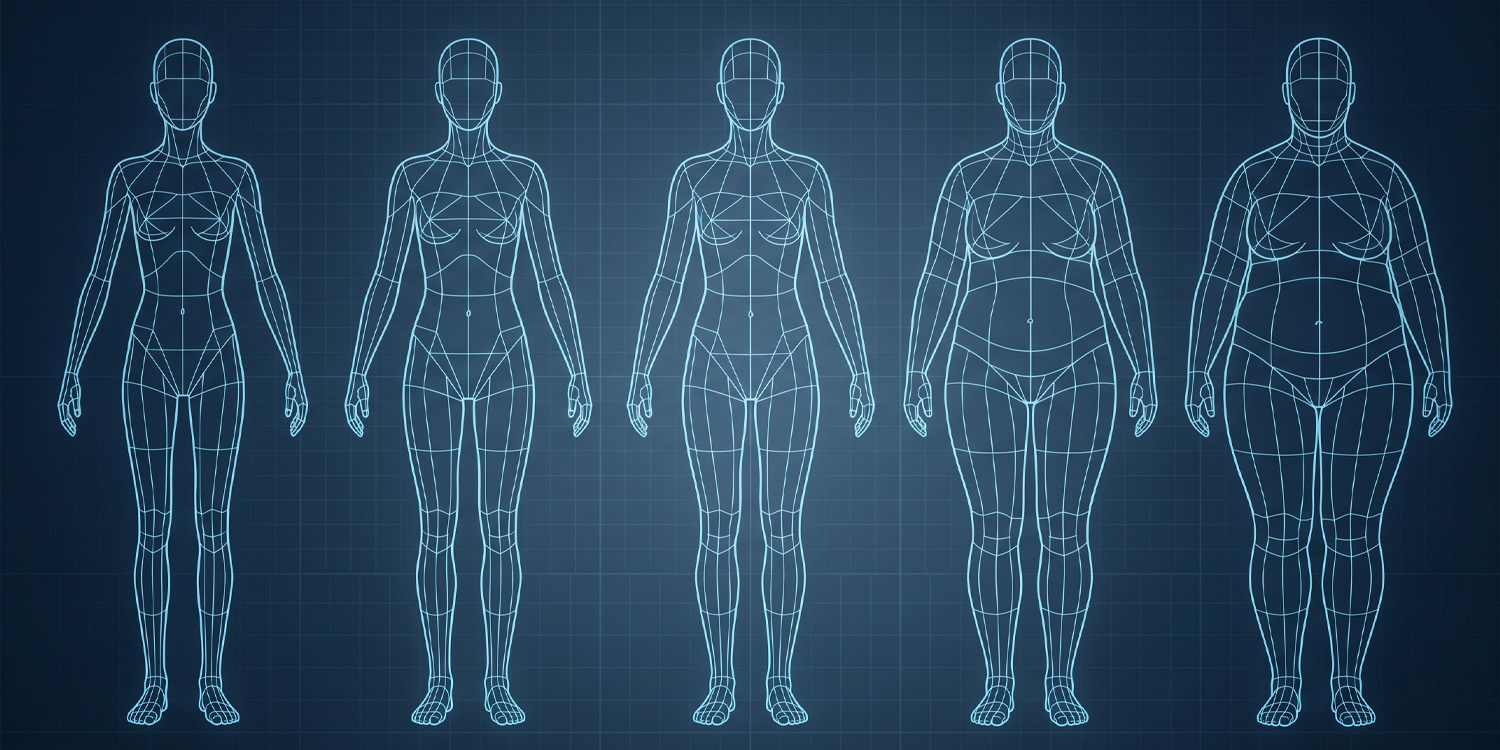
A recent study published in the International Journal of Obesity has revealed striking parallels between the body mass index (BMI) of female figures depicted in 19th-century Impressionist paintings and modern clinical classifications of obesity. The researchers found that the historical beauty ideals, which emphasized fuller figures, align closely with what is considered overweight or obese according to contemporary health standards.
This study, conducted by an international team of researchers led by Maria Vittoria Messina, analyzed 11 Impressionist paintings featuring female nudes, including works by renowned artists such as Edgar Degas, Pierre-Auguste Renoir, and Paul Cézanne. The team used advanced technology, including a digital BMI Visualizer tool and artificial intelligence systems, to calculate the body mass index of the painted figures.
The results were surprising, as the estimated body weights of the women in these paintings ranged from 71.0 to 78.0 kilograms (156 to 172 pounds), placing them in the overweight or obese categories according to the World Health Organization's BMI scale. The figures portrayed in these Impressionist artworks were considered the epitome of beauty during their time, yet they would be classified as having excess weight or obesity by today's standards.
The researchers noted that the physical traits of these idealized figures were not based on actual medical measurements but rather on the artists' artistic interpretation. To arrive at their estimates, the team calculated the body mass index, which is a standard medical calculation that divides a person's weight in kilograms by the square of their height in meters.
The study highlights a significant shift in societal beauty standards over time. While the Renaissance and Baroque periods celebrated voluptuous forms, emphasizing abundance and sensuality, the late 19th century, marked by the Industrial Revolution and changing social structures, saw the continuation of these ideals in Impressionist art. However, the average person during this era, struggling with economic hardship and frequent famine, maintained a lower body weight, making true clinical obesity exceptionally rare.
The findings underscore the contrast between historical cultural preferences for fuller body types and contemporary pressures to achieve extreme thinness. The shift in aesthetic expectations has contributed to a rise in eating disorders and extreme weight-control behaviors in modern society. While the BMI formula has limitations, as it only considers weight and height without accounting for factors like muscle mass or genetic predispositions, it provides a useful metric for examining historical beauty standards and their impact on modern perceptions of health and body image.
Written by urgent.news from PsyPost's reporting — not their text. Machine-written — may contain errors; check the original before relying on it.