How to break the cycle of Indonesian forest fires?
Stricter law enforcement, more frontline fire prevention, transboundary cooperation and slowing climate change can all play a part The post How to break the cycle of Indonesian forest fires? appeared first on Dialogue Earth .
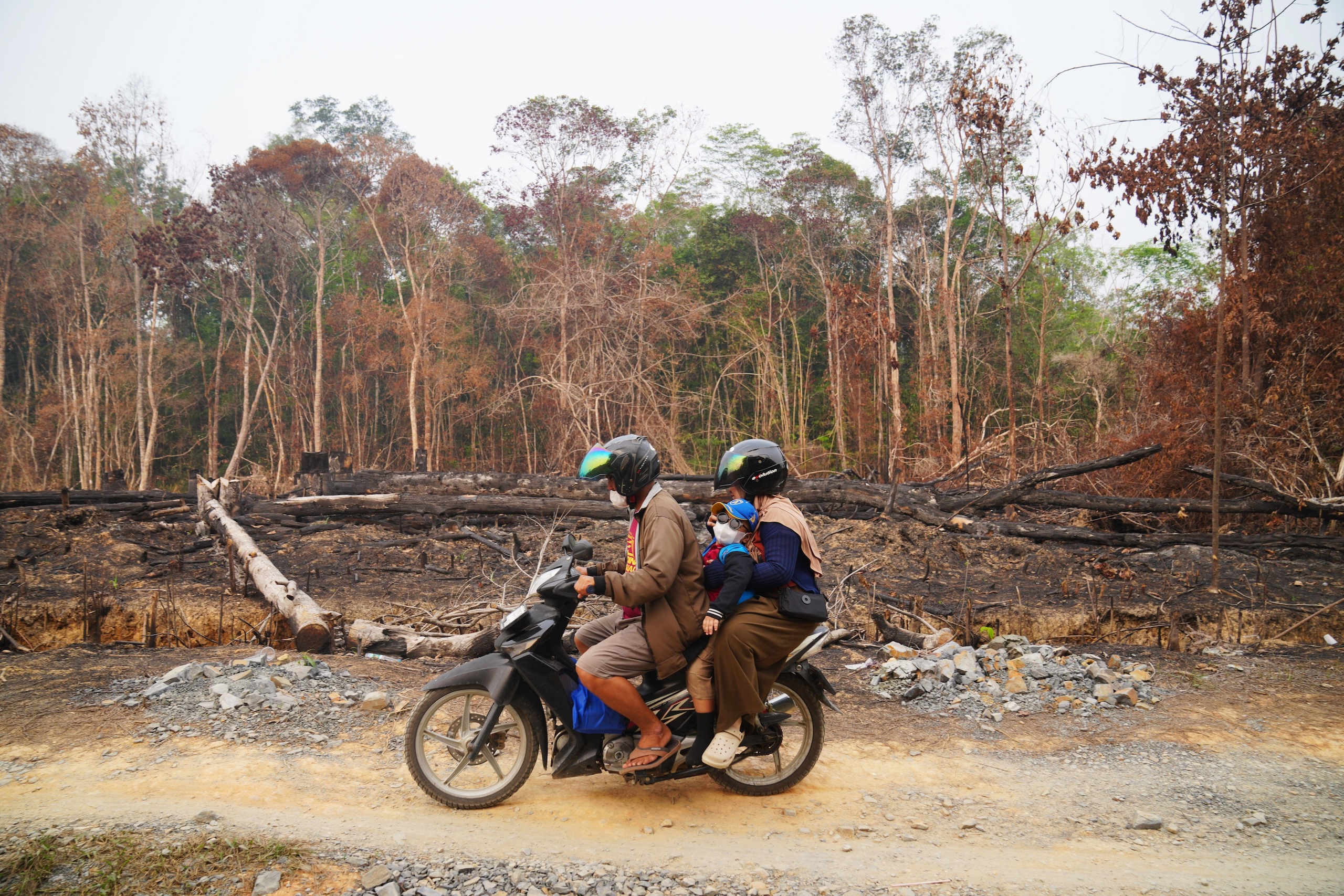
Indonesian forest fires have caused significant health and financial harm to many Indonesians and residents of neighboring countries. The haze has prompted Malaysia, Singapore, and the Philippines to raise public health and safety alert levels. While the fires are among the most intense in 11 years, burning across six provinces in Sumatra and Borneo, Indonesia has been dealing with severe forest fires for over four decades.
The majority of these fires are human-caused, resulting from activities such as draining peatlands for agriculture like palm oil and timber production. Peatlands, which cover more than 24 million hectares in Indonesia and are considered massive carbon sinks, become highly flammable when drained or degraded. Peat fires are difficult to control as they burn underground, releasing stored carbon dioxide and hazardous haze.
The 1997 fire season, driven by the Mega Rice Project and an extreme El Niño, burned nearly 10 million hectares of land, causing widespread damage. Despite the implementation of regional action plans, the fires have continued to recur. In recent years, the fires have been dominated by peat, accounting for half of all burned area in Indonesia from January to September. El Niño and global warming have exacerbated the situation, as they have increased temperatures and reduced rainfall during peak fire season.
Written by urgent.news from Dialogue Earth's reporting — not their text. Machine-written — may contain errors; check the original before relying on it.