Ghana can grow the rice it eats
I have worked as a rice breeder in Ghana for the past two decades. During that time, people in Ghana and abroad have asked me a simple question.
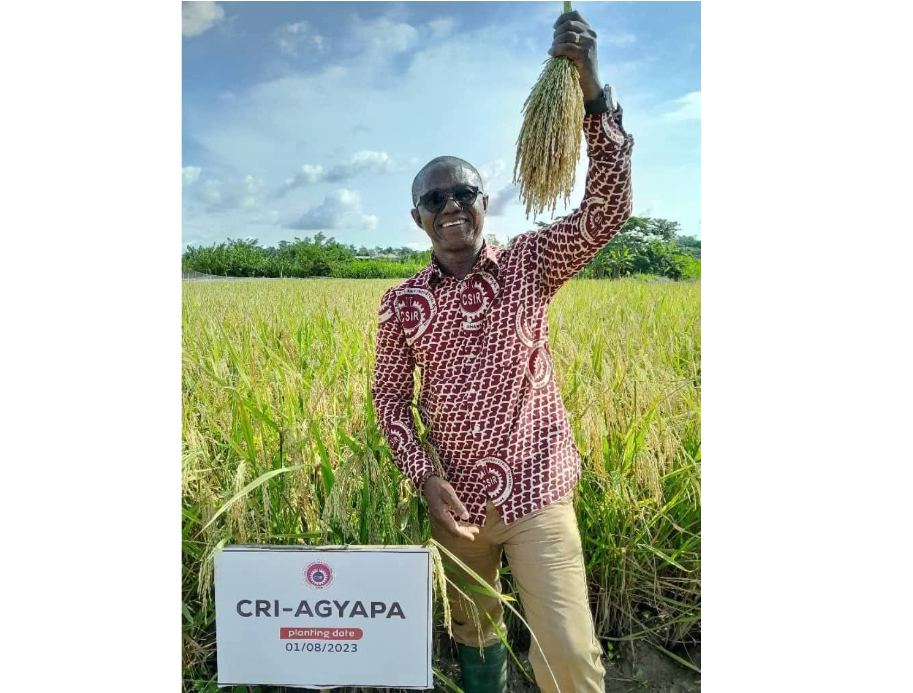
For nearly two decades, Ghana's rice industry has faced criticism for continued rice imports despite the availability of locally developed varieties and technologies. To address this issue, the 2027 Budget proposes a series of measures aimed at fostering local rice production and consumption.
Firstly, the government plans to use public procurement to create a direct market for Ghana-grown rice. This market creation will be supported by linking import licences to verified purchases of local rice and ending commercial imports by 2030. The government also intends to release funds immediately to purchase marketable Ghana-grown rice from farmers, warehouses, and mills.
However, the success of this initiative hinges on several factors. Farmers must receive timely access to seed, fertiliser, and harvesting equipment to expand production. Additionally, there must be a means for farmers to deliver their crops and find buyers. These challenges have been evident in recent years, with farmers holding unsold rice and experiencing spoilage.
To incentivize farmers to continue growing rice, the government should provide funded contracts before planting season. This contract should clearly outline the amount of rice to be grown, the price farmers will receive, the required grade standards, and the delivery locations. By offering this contract, farmers can settle their debts, purchase necessary inputs, and prepare for the upcoming season, thereby restoring their confidence in the industry.
To meet Ghana's annual demand of approximately 1.71 million metric tonnes of milled rice, farmers would need to harvest roughly 3.11 million tonnes of paddy. This estimate accounts for seed savings, post-harvest losses, and milling processes. Currently, Ghana produces about 960,000 tonnes of milled rice annually, which accounts for roughly 56% of the demand. The remaining gap of around 750,000 tonnes of milled rice must be addressed through increased local production.
To achieve this goal, the government should identify the required land area and seed quantities needed to reach the desired yield per hectare. In 2023/24, the average paddy yield across Ghana was around 2.6 tonnes per hectare, with some exceptional cases reaching up to 8 tonnes per hectare. By leveraging improved management practices and higher-yielding varieties, Ghana can work towards achieving a national average of 4.5 to 5.0 tonnes of paddy per hectare.
Written by urgent.news from MyJoyOnline Ghana's reporting — not their text. Machine-written — may contain errors; check the original before relying on it.