Gen Z and millennials will make up half of holiday spending just in time for the great consumer tradedown
Bank of America data shows the most trading down since 2021, led by millennials. Mastercard says about half of holiday spending growth is higher prices.
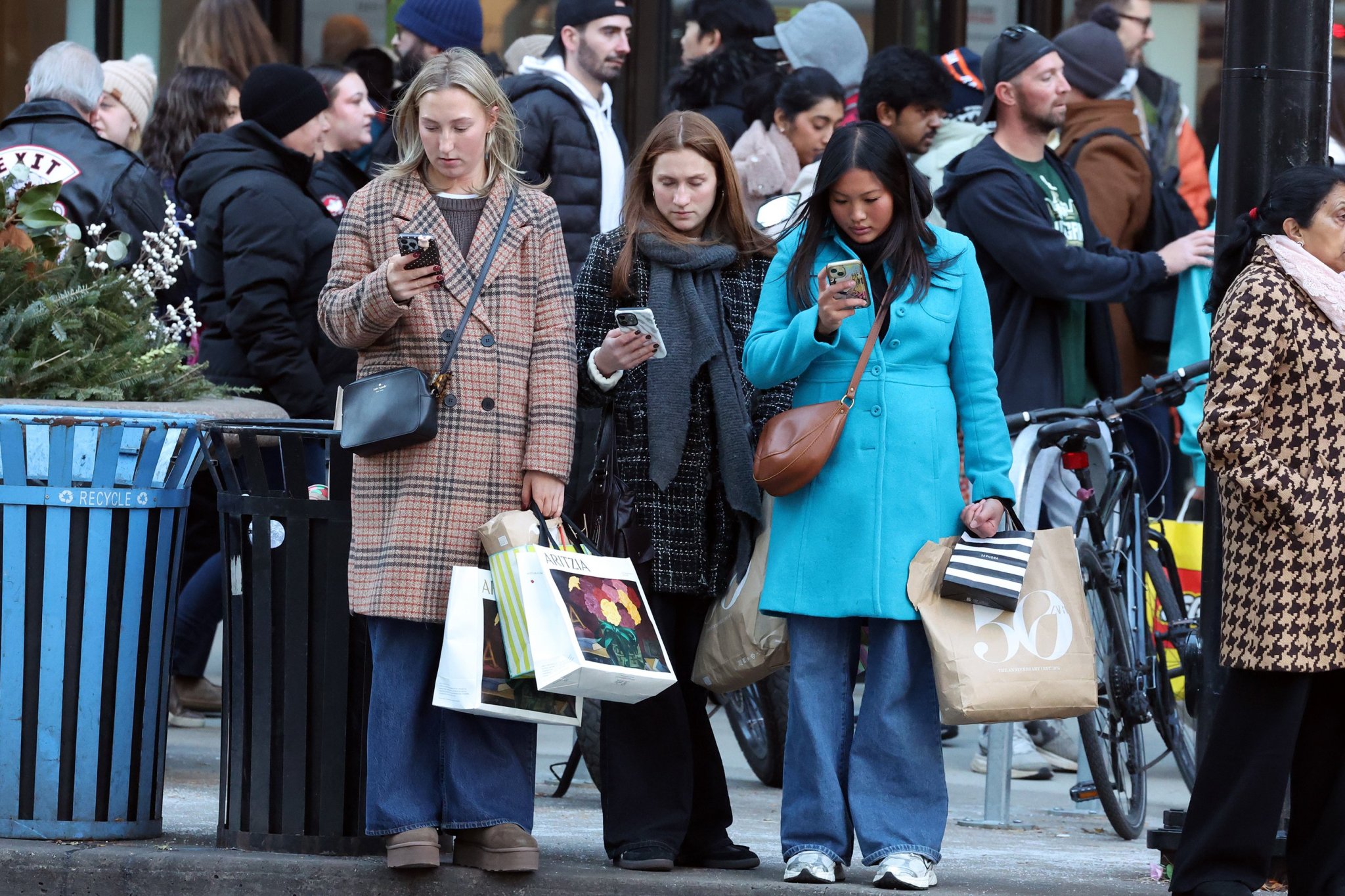
In a recent Bank of America study, it has been revealed that Gen Z and millennials will account for half of holiday spending in the upcoming year. This is the first time in Deloitte's annual holiday survey that both groups have collectively represented 50% of holiday spending, indicating a significant shift in consumer behavior.
Both cohorts are planning double-digit increases in their holiday expenditures. However, this spending pattern comes at a time when shoppers are increasingly trading down, even more so than during the early 2021 pandemic period. Bank of America's data shows that shoppers are moving towards lower-cost merchants and adjusting their spending habits accordingly.
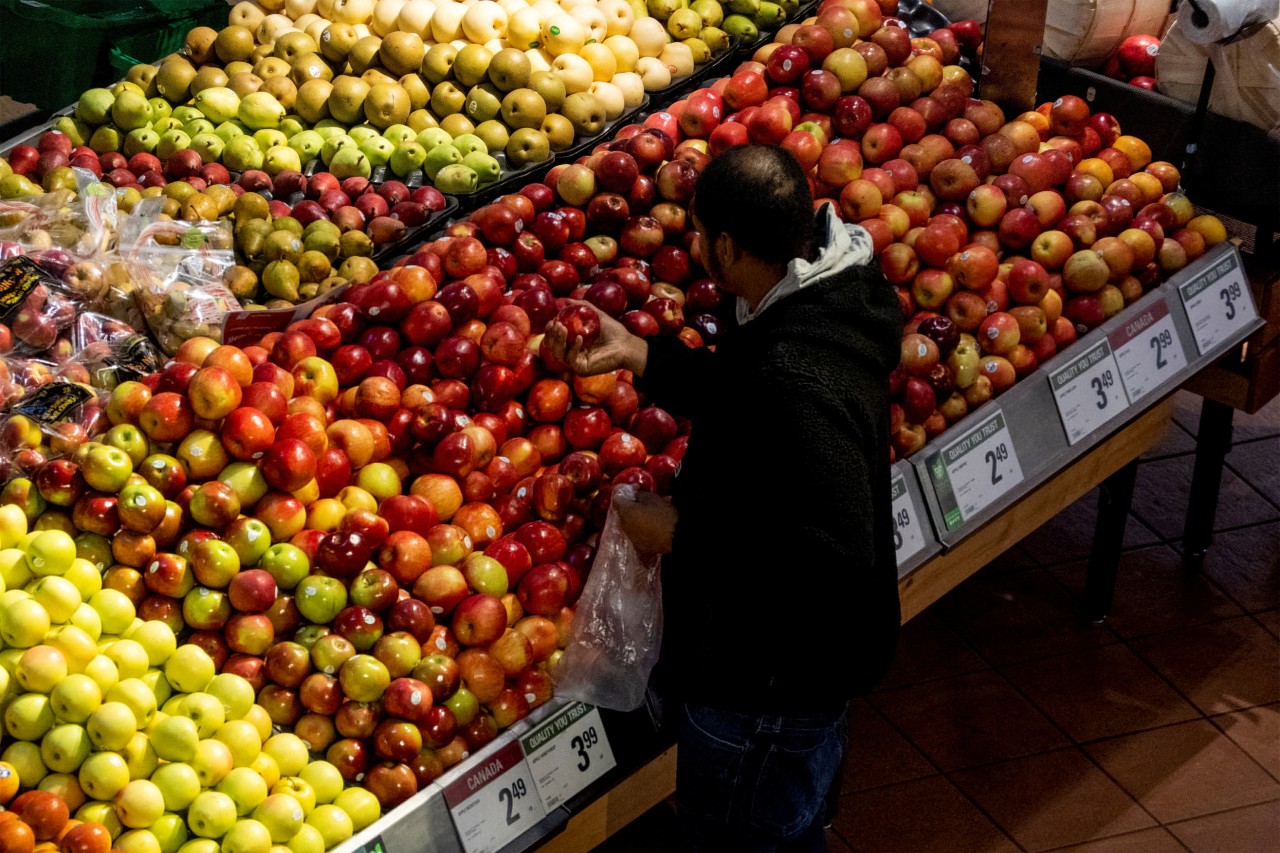
Millennials have been particularly sensitive to rising costs, with the bank noting that they are trading down faster than Gen X or baby boomers, especially in apparel and groceries. The Spending Tier Composite index, which tracks spending at various value tiers, suggests that consumers are trading down at the highest level since 2021.
Despite the emphasis on hunting for deals, it is important to note that consumers are not necessarily spending less. According to Deloitte, 38% of shoppers are classified as "holiday value seekers," who actively seek promotions, redeem rewards, and opt for store brands. These shoppers anticipate spending 12% more than their counterparts.
Additionally, Gen Z and millennials report better household finances compared to a year ago. In Deloitte's survey, households earning $200,000 or more plan to spend $3,607 on the holidays, significantly more than those earning under $50,000, who plan to spend $693. Goldman Sachs economist Pierfrancesco Mei attributes this disparity to factors such as benefit cuts, lower nominal wage growth, and increased exposure to gas prices.
These factors have disproportionately affected lower-income households. Nevertheless, middle- and higher-income households have fared better due to the benefits of last year's One Big Beautiful Bill Act. The National Retail Federation predicts that November and December retail sales will grow by 4.2% to reach $1.01 trillion, following a 3.1% increase in the previous year.
However, analysts caution that this projected increase is driven largely by higher prices rather than an increase in actual spending, as indicated by Mastercard SpendingPulse's forecast of 5.5% growth from November 1 to December 24, with approximately half of the growth attributed to higher prices.
Written by urgent.news from Fortune's reporting — not their text. Machine-written — may contain errors; check the original before relying on it.