Fidelity Bank Atta Gyan calls for greater investment in Ghana’s productive sectors to drive industrial growth
Fidelity Bank Ghana has called for greater mobilisation of domestic capital, investment in technology, and targeted policy interventions to accelerate industrialisation and turn Ghana’s economic recovery into sustainable growth.
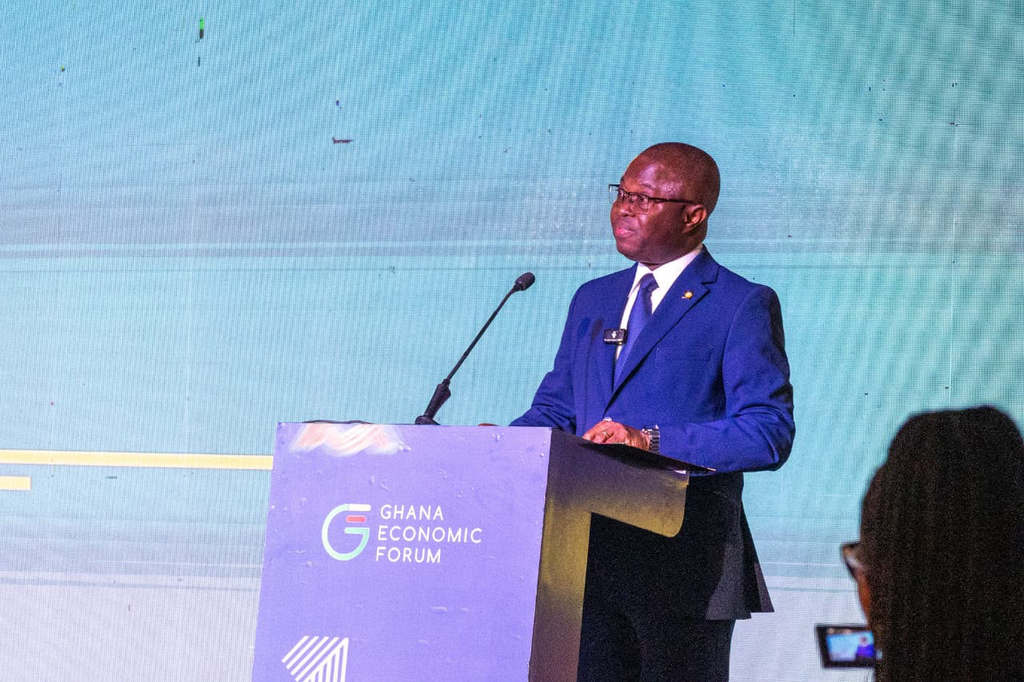
Fidelity Bank Ghana has urged for increased domestic capital, technological investments, and policy adjustments to spur industrialization and transform Ghana's economic recovery into lasting growth. Atta Yeboah Gyan, Deputy Managing Director, Operations and Support Functions at Fidelity Bank Ghana, made this appeal at the 2026 Ghana Economic Forum, where the Bank acted as the Lead Sponsor.
The Forum centered on "From Stabilisation to Scale: Mobilising Capital, Technology, and Policy for Ghana’s Next Industrial Wave." Addressing business leaders, policymakers, investors, and other stakeholders, Gyan highlighted Ghana's macroeconomic stability gains but emphasized that the next challenge was converting those gains into robust businesses, increased output, employment, and sustainable growth.
Gyan stressed that stabilisation is merely a stepping stone, and the true test is transforming stability into investment, stronger enterprises, heightened production, more jobs, and sustainable growth. He pointed out Ghana's over-reliance on gold exports as a potential weakness. In 2025, gold constituted about US$20 billion of the country's US$31.1 billion merchandise exports, accounting for nearly two-thirds of total export earnings.
By August 2026, its share had increased to 66%. While acknowledging gold's significance, Gyan argued that Ghana must utilize its natural resource revenues to develop a broader, more productive economy, with a stronger focus on manufacturing, local processing, and value addition. He cited Malaysia's cocoa-processing industry and Switzerland's chocolate industry as examples, stressing the need to move beyond raw material production to generate more value through processing, branding, upholding quality standards, and global distribution.
Gyan also recognized the African Continental Free Trade Area (AfCFTA) as an opportunity for Ghanaian manufacturers to tap into a market of over one billion consumers. On financing, Gyan stated that Ghana possesses substantial domestic assets to aid industrial expansion, citing pension funds holding over GH¢100 billion and growing insurance investments.
He advocated for financing instruments that better align with industry requirements, including longer-term bonds for factories and financing structures geared towards agricultural production cycles. He also highlighted Fidelity Bank's plan to list on the Ghana Stock Exchange, viewing it as a testament to the Bank's confidence in developing Ghana's capital market.
Gyan explained that if Ghana's savings are to fuel Ghana's industry, then Ghanaian companies, including Fidelity Bank, must be prepared to disclose their financials, comply with market standards, and earn the capital. Sharing Fidelity Bank's technological expertise, Gyan noted that over 90% of the Bank's transactions now occur through digital channels.
Its automation program saves over 18,000 staff hours annually and has yielded around GH¢5 million in quantifiable benefits. Service level adherence has also risen from 84% to 97% within a year. He stressed that technology investments should result in tangible productivity and service enhancements, backed by accurate data, dependable digital processes, and efficient systems.
On policy, Gyan underscored the importance of dependable, affordable electricity for industrial growth, calling for collaboration among government, financial institutions, and private investors to devise sustainable energy solutions. He also advocated for reducing agricultural financing risks through partnerships among government, banks, and development partners, ensuring that financing reaches all sectors of the value chain, from farmers and aggregators to processors.
In summary, Gyan stated that Ghana's forthcoming growth phase requires collective commitment from government, investors, businesses, and financial institutions. "Stabilisation has mainly been the responsibility of government and the central bank. They have completed their part. Scale is everyone's responsibility," he concluded. He reaffirmed Fidelity Bank's dedication to supporting Ghana's economic development as a lender and partner to businesses and contributing to a stronger financial system capable of financing the country's next industrial growth stage.
Written by urgent.news from MyJoyOnline Ghana's reporting — not their text. Machine-written — may contain errors; check the original before relying on it.