Ethiopia’s EV bet: Can a fuel crisis force the world’s fastest electric-car transition?
Ethiopia’s decision to ban imports of new petrol and diesel cars in 2024 was less a climate policy than an economic survival strategy. With fuel imports costing billions annually and the country defaulting on its debt, Addis Ababa turned to cheap hydropower and Chinese-made electric vehicles to cut its dependence on oil. The result is one of the world’s most radical transport experiments. B…
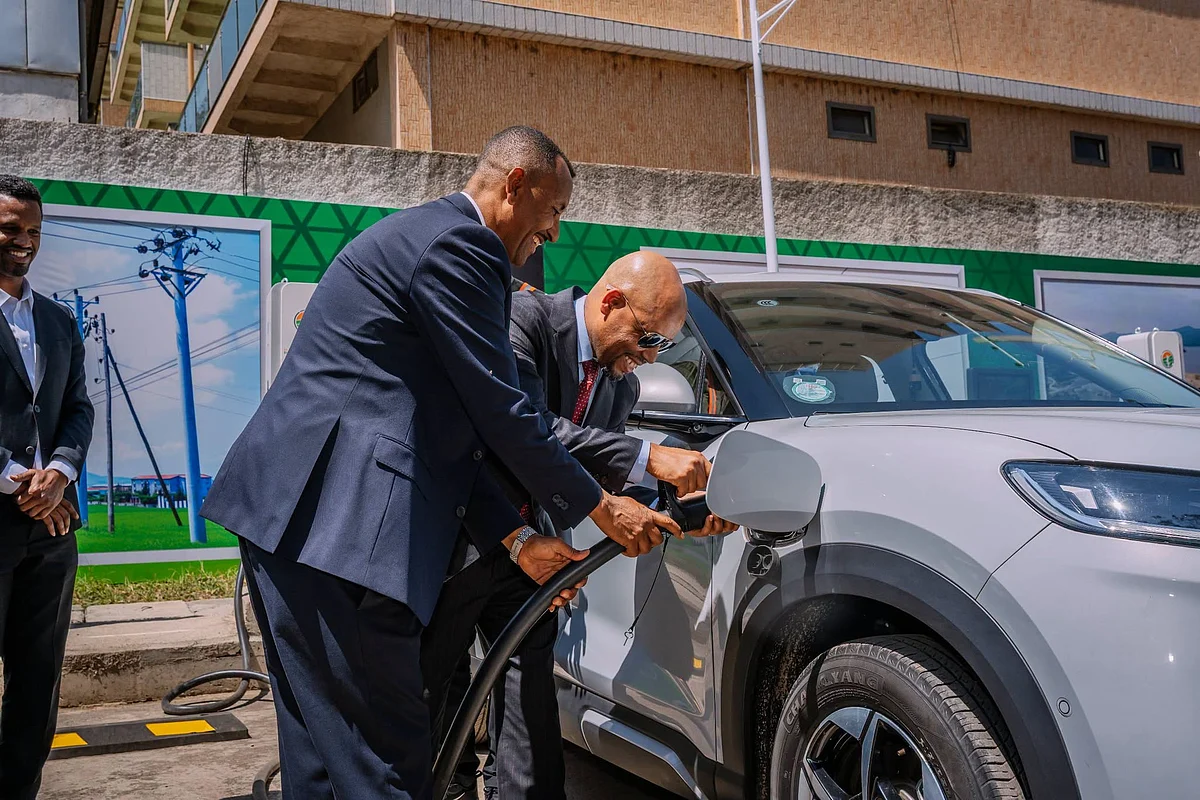
Ethiopia has enacted a bold plan to transition its transportation sector away from gasoline and diesel vehicles by 2033, amid a fuel crisis that has crippled its economy. With imports of these fuels costing billions annually and the nation already defaulting on its debt, the Ethiopian government has opted to promote electric vehicles (EVs) and expand its charging infrastructure as a cost-effective alternative.
The country has set a target of deploying up to 2,000 charging stations nationwide, with an initial rollout of 11 fast-charging points introduced on October 31, 2026. These stations are spread across six cities, including Addis Ababa, Bishoftu, Mojo, Batu, Adama, and Hawassa, and can simultaneously charge up to 96 vehicles. The stations are equipped with both fast and standard chargers, and feature a digital payment system to facilitate easy access for users.
However, the success of this ambitious EV initiative hinges on several challenges. High vehicle prices remain a significant hurdle, with a small BYD Seagull model costing around $23,000, while the average annual income per person in Ethiopia is just below $1,000. Only a mere 13 out of every 1,000 Ethiopians currently own a car, a stark contrast to the African average of 73.
Furthermore, the country's electricity grid is uneven, with only about 55% of the population having access to electricity, and frequent power outages are common.
The Ethiopian Electric Utility (EEU) aims to expand the charging network fivefold within a year, adding new cities such as Dire Dawa, Mekelle, and Bahir Dar. Despite these challenges, the Ethiopian government has introduced incentives to make EVs more affordable. New vehicles are subject to reduced tariffs, and the government has even floated its currency to make imported fuel more expensive, thereby directly incentivizing the shift to electric mobility.
By 2024, EVs accounted for about 6% of newly registered vehicles in Addis Ababa, surpassing the global average of 4%. The government has licensed 17 EV assembly companies, with BKG Manufacturing being one of the few that had begun operations at the time of reporting. As Ethiopia navigates this uncharted territory, it will be crucial to address affordability, expand charging infrastructure, and improve its electricity grid to fully realize the potential of its ambitious EV transition plan.
Written by urgent.news from Gulf News's reporting — not their text. Machine-written — may contain errors; check the original before relying on it.