Estonia is closing its border with Russia after an alleged sabotage attempt — and preparing to move government services to the cloud in case of invasion
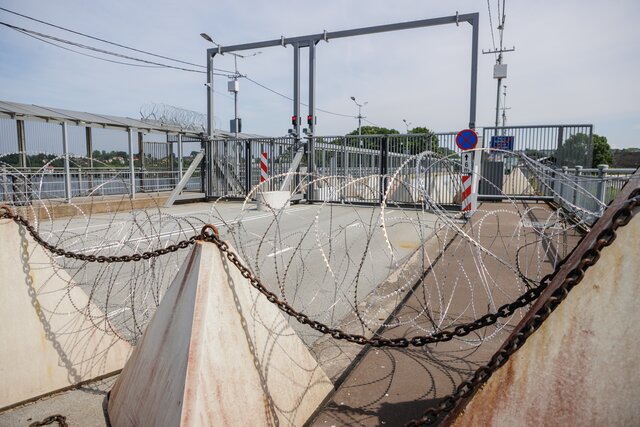
Estonia plans to close all its operating border crossings with Russia starting December 1, following an attempted act of sabotage at Threod Systems, a defense company that makes drones.
Estonia has decided to close its border with Russia on December 1 due to a sabotage attempt at a defense company that manufactures drones. On November 14, an attack was carried out against the plant, with eight residents of Latvia being detained for their involvement. Estonian security services claim the attack was organized by Russian military intelligence.
The Kremlin dismissed these allegations as "baseless," while Russia's Foreign Ministry described the border closure as an act of "aggressive and unbridled Russophobia."
Estonia's Foreign Minister, Margus Tsahkna, announced the decision to close the border crossings, stating that Russia's hostile actions would have consequences. The move aims to reduce the risk of sanctions evasion and sabotage. Lithuanian President Gitanas Nausėda expressed support for Estonia's decision and hinted at the possibility of similar measures if the region continues to be destabilized.
The border with Russia consists of three checkpoints currently operational: Narva in the Leningrad region, Koidula, and Luhamaa in the Pskov region. Since 2022, Estonia has required Russians to possess Schengen visas or vehicles with Russian license plates to cross these checkpoints. Citizens or holders of residence permits from EU countries, as well as those with Estonia's long-term national D-type visa, can still cross the border through these checkpoints.
The closure of the border will impact Narva residents economically, as it will eliminate freight traffic and the "hated border line" that provided income for local residents. However, it will also make traveling to Russia more difficult for Estonians and residents of neighboring Baltic countries. The closure may also affect travelers from Finland, who previously found the route to Russia the most accessible option.
Estonian authorities are preparing for a potential Russian invasion by relocating digital services to cloud storage abroad. This strategic move aims to ensure the continuous functioning of state digital services even if Russian troops occupy the country's territory or destroy its data centers. Estonia already has a "digital embassy" in Luxembourg, where copies of state data are stored.
Written by urgent.news from Meduza (English)'s reporting — not their text. Machine-written — may contain errors; check the original before relying on it.