Energy security has been forgotten in Kurdistan’s political squabbles
If a house divided against itself cannot stand, what are the chances for a house triply divided? On November 8, explosive drones slammed into the Khor Mor gasfield in the Kurdistan Region of Iraq, turning out the lights across the semi-autonomous territory. The Kurdish governing parties are at loggerheads ; their debate with Baghdad continues, and the federal government is conflicted about…
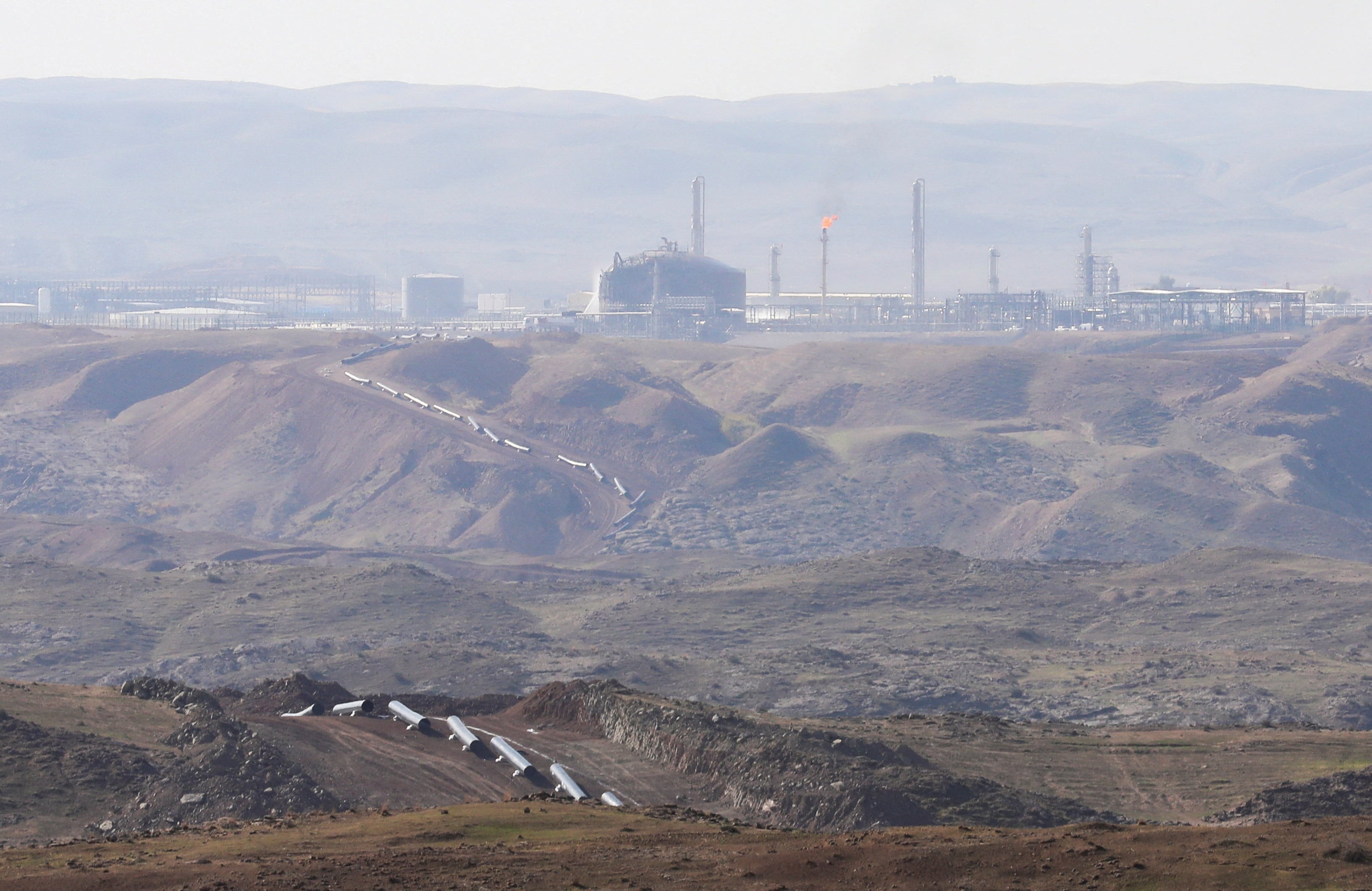
The Kurdistan Region of Iraq, currently triply divided, faces significant challenges to its energy security following the November 8 attack on the Khor Mor gasfield. The field, operated by the Pearl Petroleum consortium, is the main producer in Kurdistan with a capacity of 750 million cubic feet per day. The attack, not directly related to the US-Iran war, is blamed on pro-Iranian forces in federal Iraq, who have also targeted oil infrastructure in Saudi Arabia.
The Patriotic Union of Kurdistan (PUK), controlling the southern part of the region, has withdrawn from the regional government and threatens to establish a separate administration, fearing exclusion from oil industry profits. This political dispute exacerbates the energy crisis, as the loss of the main gasfield leaves Kurdistan with limited alternative production options, causing electricity generation to plummet from 3,700MW to just 1,000MW.
While the US has not intervened to resolve the squabble, Baghdad has opened the door to foreign investment, welcoming companies like Crescent and HKN into oil and gas projects. The region's energy future hinges on overcoming domestic politics and diversifying energy sources beyond gas dependence.
Written by urgent.news from The National Business's reporting — not their text. Machine-written — may contain errors; check the original before relying on it.
Other reports of this story
- Energy security has been forgotten in Kurdistan’s political squabbles thenationalnews.com