Bessent Takes Hawkish Turn in White House Debate on China
The Treasury secretary who sought to de-escalate tariff wars is taking a tougher approach to exports of sensitive U.S. technology.
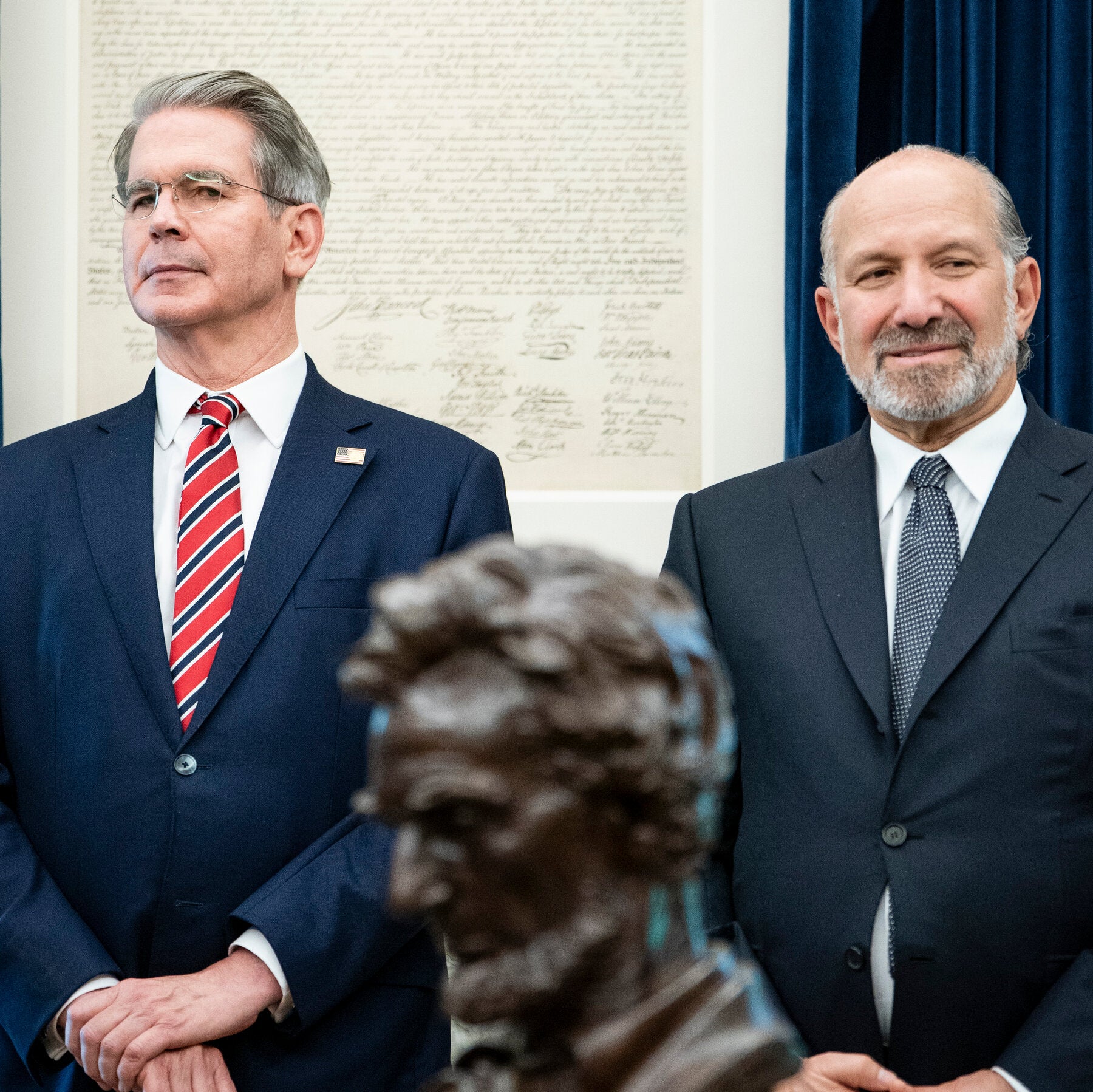
President Trump embarks on a high-stakes Asia tour on Monday, aiming to mend Russia's conflict in Ukraine and ease trade tensions with China. Amidst these diplomatic efforts, a simmering internal conflict within the administration is brewing aboard Air Force One, where Treasury Secretary Scott Bessent and Commerce Secretary Howard Lutnick find themselves in direct opposition.
This rivalry stems from Lutnick's perceived slowness in implementing measures to restrict the export of Nvidia chips to Chinese data centers, a policy that Bessent has taken a firm stance against.
Traditionally, Bessent has been the chief architect of the US's economic relationship with China, striving for a de-escalation approach amid global economic concerns. However, this year, as Artificial Intelligence (AI) becomes an escalating battlefield, Bessent has adopted a more aggressive stance towards China. His hardline views have grown stronger, particularly in light of potential risks posed by rogue Chinese AI technology to the US economy.
This internal skirmish over China policy bears a striking resemblance to the confrontations that characterized President Trump's first term. During that period, economic advisers frequently clashed over the extent to which the US should penalize China for its trade practices. Recently, the Trump administration has been frustrated by China's failure to meet its commitments regarding purchases of American farm products and the swift export of critical minerals necessary for producing high-tech electronics and military equipment.
Written by urgent.news from The New York Times's reporting — not their text. Machine-written — may contain errors; check the original before relying on it.