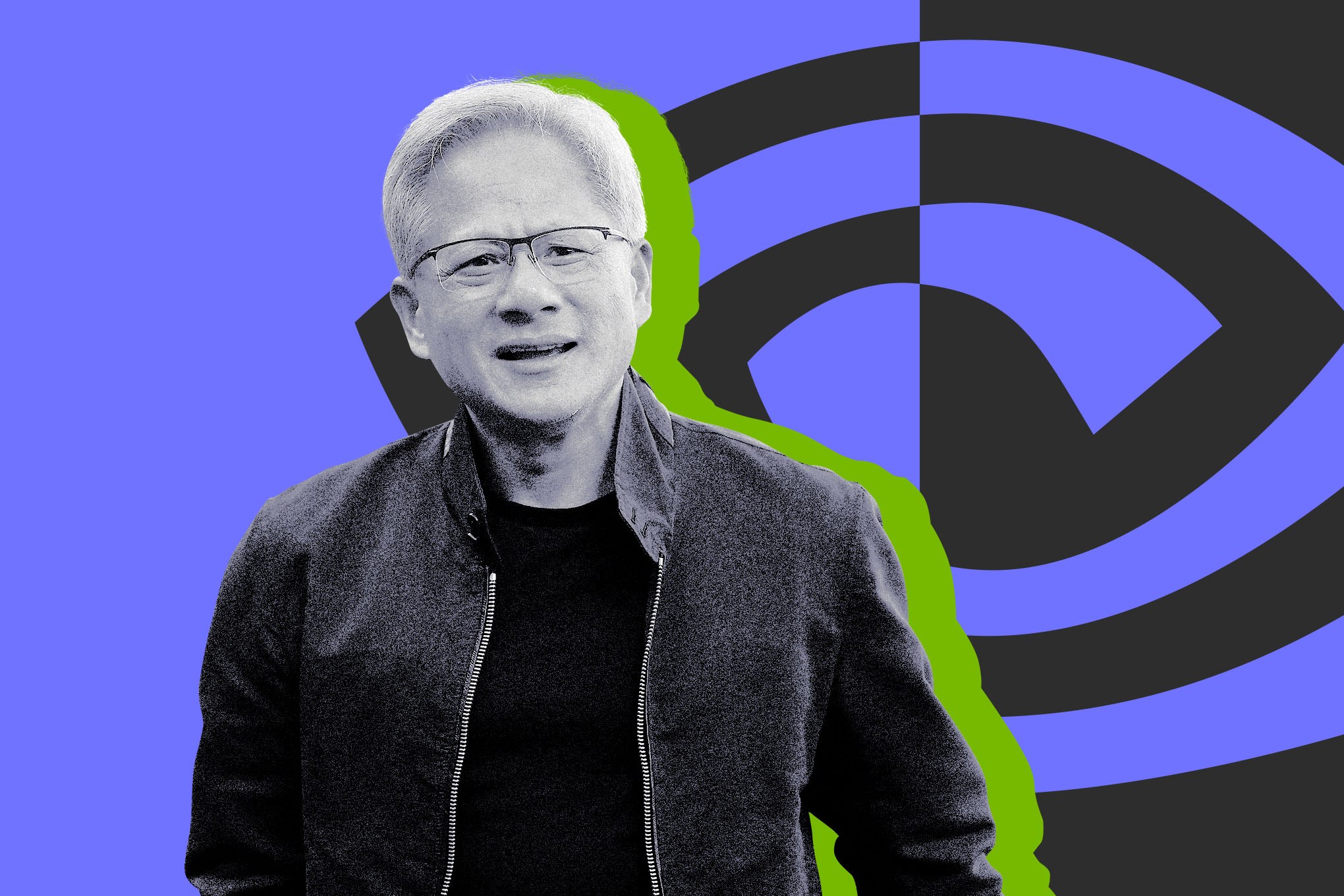
Ben Thompson on Nvidia
Ben Thompson at Stratechery: This led to what I termed Nvidia’s Risky Business : Nvidia increasingly used its cash flow and credit rating to backstop and fund the companies who were buying its chips. Bears called this circular financing; bulls called it a necessary bridge to a future where AI revenue paid down these companies’ debt and drove massive upside. What is undoubtedly true is that this…
Ben Thompson, a writer for Stratechery, discusses Nvidia's risky business strategy. This strategy involved using cash flow and a strong credit rating to support and fund companies buying its chips. Critics called this circular financing, while supporters saw it as a necessary bridge towards a future where AI revenue would pay off these debts and create significant upside.
The key point is that this risky business model is unique to a multi-trillion dollar company controlled by one individual who constantly pushes boundaries and takes risks. However, this strategy may not continue, and it might leave Nvidia vulnerable. Nvidia's neocloud investors, along with their creditors and equity holders, should be worried about losing their patron.
Additionally, the revenue needed to support this build-out could reach a trillion dollars across the industry, which needs to materialize quickly. If it falls short, hyperscalers may prioritize their own compute and become a safe haven for all those committing resources. In this scenario, Nvidia's hedge - without Huang's commitment to supporting the ecosystem - could turn into a burden, as their assets flood the market while supply increases.
This crisis has led Thompson to reflect on Charlie Munger's 2020 perspective on Elon Musk and Tesla: "I would never buy it, and I would never sell it short." Munger's stance suggests that he wouldn't want to own the stock, which trades at a high P/E ratio, but also wouldn't want to bet against Musk. Thompson believes the same applies to Nvidia, as investors might now view the company differently due to the risky bets made by Jensen Huang.
The loss of Huang could leave Nvidia holding these risky bets without his support, causing concern among investors.
Written by urgent.news from Daring Fireball's reporting — not their text. Machine-written — may contain errors; check the original before relying on it.