Apec Summit 2026: Why Trump’s relentless tariff blitz means low expectations in China
SHENZHEN, Nov 17 — Apec nations account for just over half of global commerce, but geopolitical rivalries and US P...
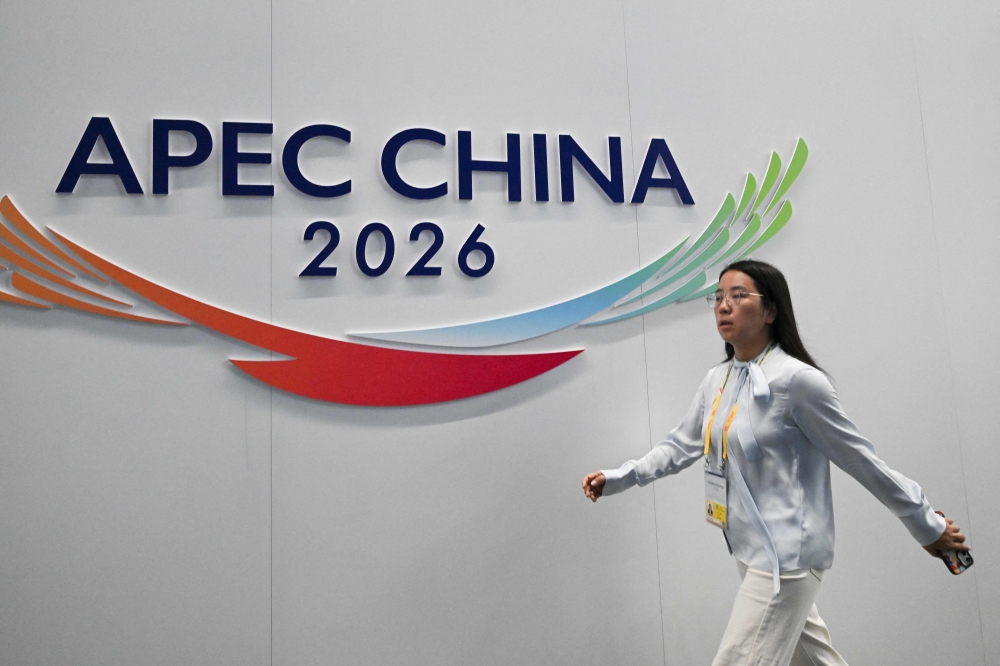
The Asia-Pacific Economic Cooperation (APEC) summit in Shenzhen this week will likely feature limited ambitions due to geopolitical rivalries and President Donald Trump's ongoing trade war, despite Democrats gaining control of Congress in midterm elections. APEC, comprising 21 Pacific Rim nations including the United States, China, Japan, Russia, Canada, Mexico, Australia, and Indonesia, faces challenges due to these rivalries.
Deborah Elms, head of trade policy at the Hinrich Foundation, noted that China and the US, two major members with opposing interests, have made cooperation difficult.
The absence of US Treasury Secretary Scott Bessent from an APEC finance ministers' meeting in Hong Kong further diminished opportunities for interaction between American and other members. China has also introduced unhelpful changes to APEC processes, such as shifting meetings online and delaying announcements of event timings.
Even after Trump's loss in the midterm elections, his tariff policies persist, with the US imposing new tariffs on 60 economies, including several APEC members, for alleged forced labor practices. Sector-specific tariffs on steel, automobiles, and timber remain in effect. Joshua Kurlantzick, senior fellow at the Council on Foreign Relations, stated that Trump is "unleashed" and unlikely to change his approach, given his disregard for potential impacts on Republican favorability.
To reduce dependence on the United States, Canada has negotiated a free-trade pact with the Philippines, while Brazil's President Luiz Inacio Lula da Silva, despite not being an APEC member, emphasized the need for countries to seek alternative partners in the face of US tariffs. Brazil reported a 15% increase in trade with Indonesia and a 13% rise in trade with Vietnam.
The Regional Comprehensive Economic Partnership (RCEP), involving China, Southeast Asian nations, and other regional partners, aims for long-term tariff reductions, but its enforcement and dispute settlement mechanisms are weaker, according to Nick Marro, principal Asia economist at the Economist Intelligence Unit. While the expansion and deepening of RCEP continue, its effectiveness may be limited in an increasingly fractured geopolitical landscape, especially with the rise of US protectionism and China's economic imbalances.
Written by urgent.news from Malay Mail's reporting — not their text. Machine-written — may contain errors; check the original before relying on it.
This story
This is one outlet's version. Read the fullest account.
- Trump says he may meet with Kim Jong-un while in China koreatimes.co.kr
- Putin could meet North Korea’s Kim if he also heads to China for Apec summit scmp.com
- Trump says he might meet North Korea’s Kim in China qatar-tribune.com
- Trump says he "may" meet with North Korea's Kim Jong Un in China cbsnews.com
- Trump says he may meet with Kim Jong-un while in China en.yna.co.kr