America’s housing squeeze is moving into the middle class
Harvard data shows cost burdens rising fastest for renters earning $45,000 to $75,000, as their path to owning a home narrows.
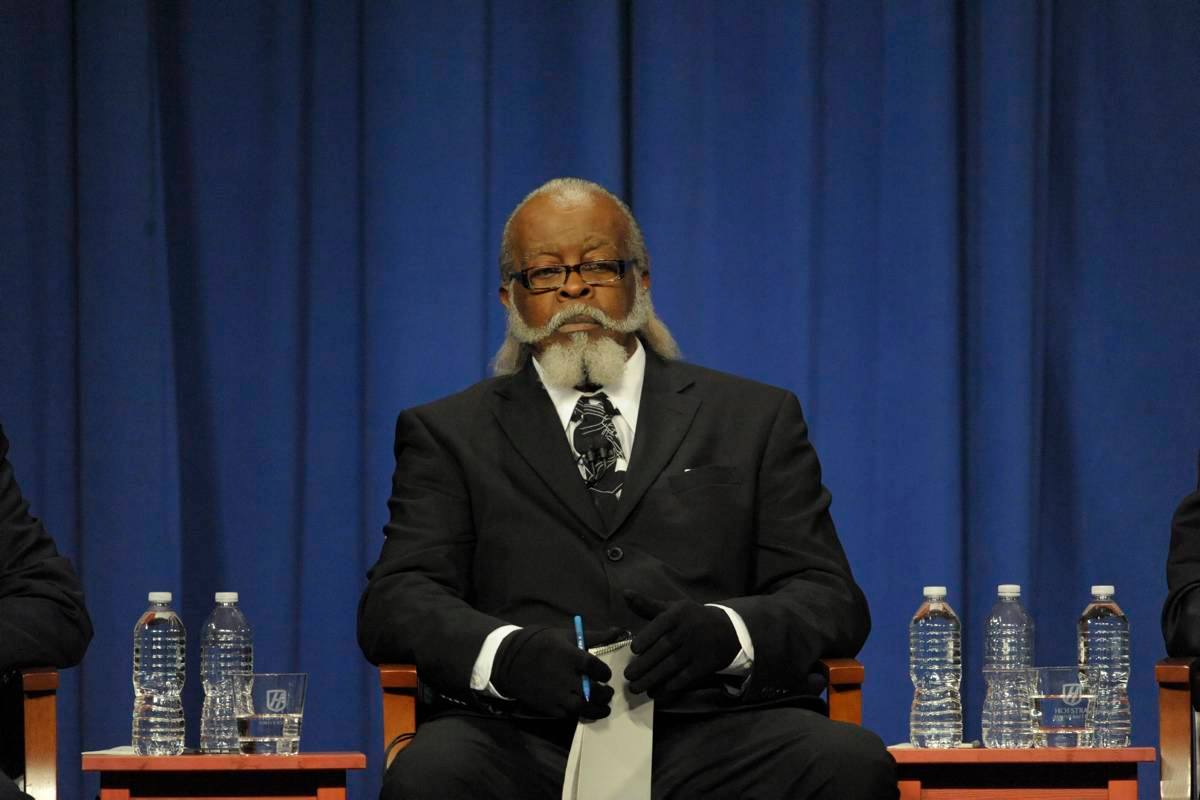
Seventeen years after Jimmy McMillan's famous speech at a New York gubernatorial debate, rent remains unaffordable for nearly half of America's middle-income renters, a growing problem according to Harvard's Joint Center for Housing Studies. In 2024, 49% of renters in the $45,000 to $74,999 income bracket spent more than 30% of their earnings on housing, an increase of 9.5 percentage points since 2019.
This rise was most rapid among middle-income households, with 83% of renters earning under $30,000 already cost-burdened, leaving little room for growth. The affordability of homes has narrowed significantly since 2019, with only less than a quarter of homes now affordable to a household earning around $75,000. A household now requires roughly $120,000 to afford a typical home, according to the center's estimates.
The Bank of America's data reveals that both the lower and higher ends of the income spectrum are facing significant housing costs, with one in four lower-income renters and one in four higher-income mortgage holders now spending more than half their income on housing. The middle-income group, however, is increasingly feeling the squeeze, with 31% of homeowners earning between $45,000 and $74,999 burdened by housing costs in 2024.
Written by urgent.news from Fortune's reporting — not their text. Machine-written — may contain errors; check the original before relying on it.