Alliance for forest roadmap keeps the 2030 goal alive
While the COP30 deforestation roadmap keeps the 2030 target alive, turning its broad diplomatic ambitions into real forest protection requires a united Global South coalition to close its glaring gaps on palm oil, biofuels, community land rights and overdue climate finance.
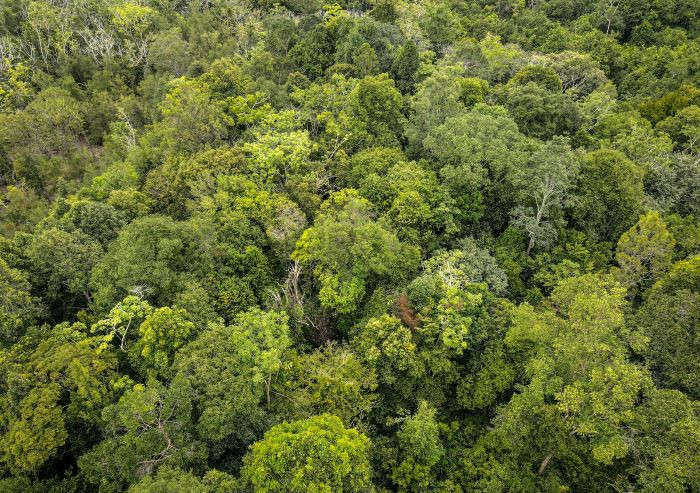
The COP30 deforestation roadmap aims to halt and reverse global forest loss by 2030, though achieving this goal remains challenging. The framework, which includes major forest nations like Indonesia, builds upon Brazil's ambitions and combines various government proposals into a unified agenda. However, the roadmap falls short in several areas, necessitating a united Global South coalition to address key issues.
While deforestation has decreased from 17.6 million hectares annually in the 1990s to 10.9 million ha in recent years, millions of hectares still disappear each year. The roadmap interprets the first Global Stocktake to mean that forest area should stabilize by 2030, but this is not the same as halting and reversing deforestation. The document does not clearly assign specific responsibilities to nations.
Some commitments, like the Finance Sector Deforestation Action (FSDA) which pledged to eliminate agricultural commodity-driven deforestation from financial institutions' portfolios by 2025, have already been missed. A roadmap extending to 2030 should assess the results of this pledge instead of simply restating it.
Despite the roadmap's strengths, such as integrating policy areas that have been separated for too long and addressing international forest crime, it must provide greater precision to be effective. The Global South must unite to close the roadmap's gaps on palm oil, biofuels, community land rights, and overdue climate finance.
Written by urgent.news from The Jakarta Post Academia's reporting — not their text. Machine-written — may contain errors; check the original before relying on it.