AI could soon be telling CEOs whom to lay off, Arist CEO Michael Ioffe predicts: ‘The speed of decision making is so much faster’
Arist's CEO says AI agents could soon recommend major corporate decisions, including layoffs, though executives would still make the final call.
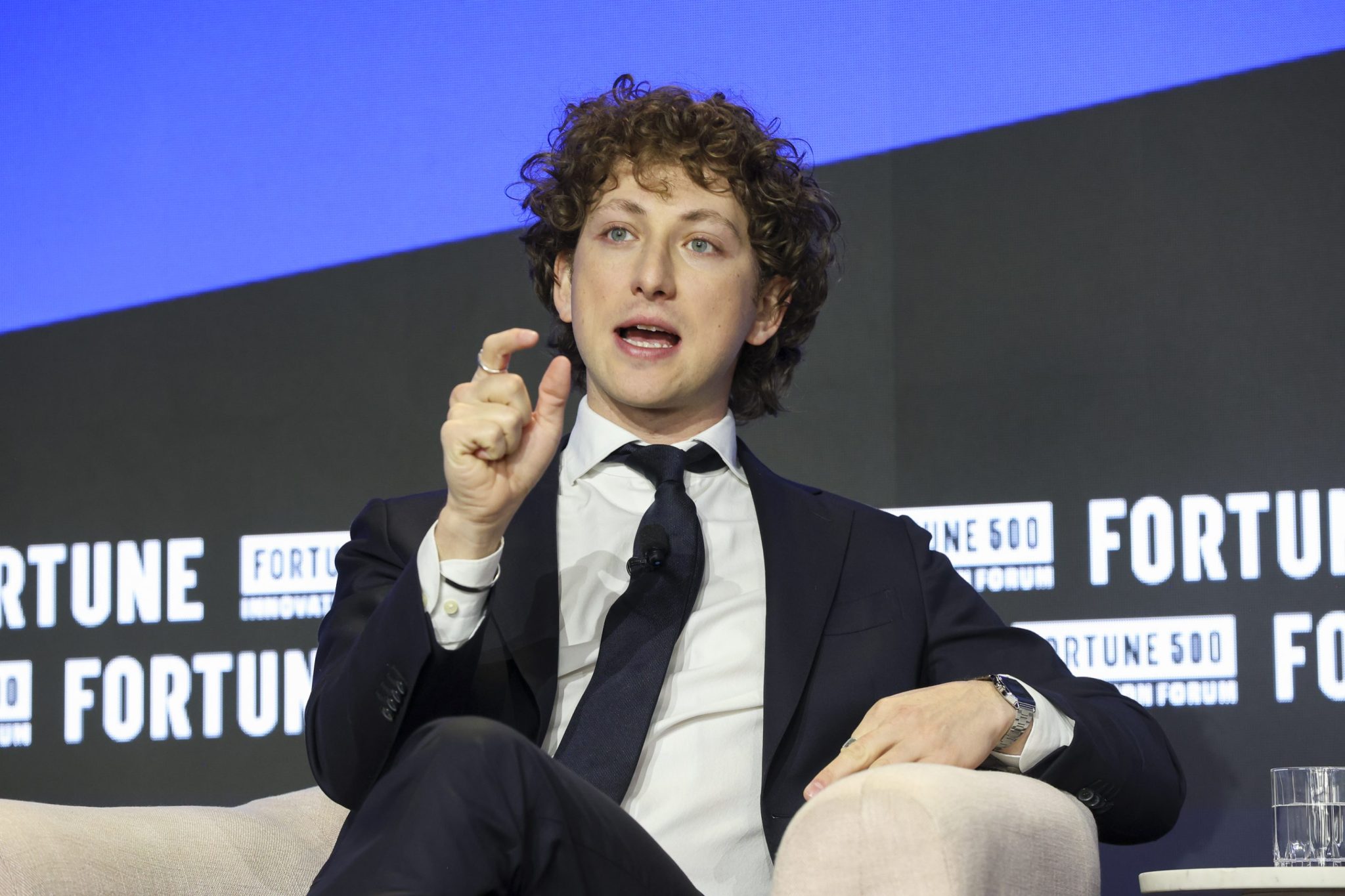
Artificial Intelligence (AI) is increasingly influencing corporate decision-making, with one startup CEO predicting a near-future where AI agents will not only recommend but also determine which employees to lay off. Michael Ioffe, cofounder and CEO of Arist, explained during a conversation with Fortune's Kristin Stoller at the Fortune 500 Innovation Forum in Detroit that AI will become a key player in significant enterprise shifts, including layoffs.
Arist utilizes AI agents to interview employees, analyze company data, and propose solutions to business challenges. The company has already established partnerships with over 15% of the Fortune 500, leveraging its technology to gather insights from thousands of employees within 72 hours, a task traditionally requiring teams of consultants.
However, Ioffe is cautious about handing over complete control to AI. He emphasizes that "at the end of the day, it will always be an executive who is making the final call." This sentiment arises as more firms cite AI in workforce reductions, sometimes leading to accusations of "AI washing" – attributing job cuts to technology when other factors are at play.
Ioffe believes the speed of AI decision-making is a significant advantage. When confronted with issues such as falling sales or a struggling product, companies historically spend months and millions of dollars engaging consultants to diagnose the problem. Ioffe envisions AI streamlining this process, providing executives with answers in days rather than months.
This approach differs from Ioffe's initial intent to compete with consulting firms. As a 19-year-old, he initially focused on delivering education to students in war-torn Yemen through a text-message-based learning platform, eventually pivoting Arist's focus to training Fortune 500 employees.
His observation of a pattern emerged: companies would spend millions on consultants to diagnose issues, only for Arist to train employees to address the problems. The consultants often diagnosed the issues inaccurately 90% of the time, prompting Arist to shift from training to diagnosing the underlying problems. Ioffe's AI agents can determine whom to interview, ask questions, and weigh responses against data such as an employee's tenure, performance, and engagement scores.
The AI system distinguishes between the loudest complaints and issues affecting the organization as a whole. Furthermore, the agents will challenge executives if they frame questions in a way that yields desired answers. While gathering this information may raise concerns about employee candor with AI, Ioffe argues that employees may be more forthcoming with AI agents than with humans, potentially uncovering issues that would otherwise remain unreported.
Rather than replacing executives or consultants, Ioffe sees AI's primary value in helping companies identify problems and act on them more swiftly. He asserts, "If you can get to the truth much faster, then a 50,000-person enterprise can move at the speed of a 50-person startup."
Written by urgent.news from Fortune's reporting — not their text. Machine-written — may contain errors; check the original before relying on it.