A Trump, Putin, and Xi Meeting Won’t Be Yalta 2.0. But It Still Matters
A three-way meeting could strengthen each leader’s standing, even as competing goals complicate talks on war and nuclear arms.
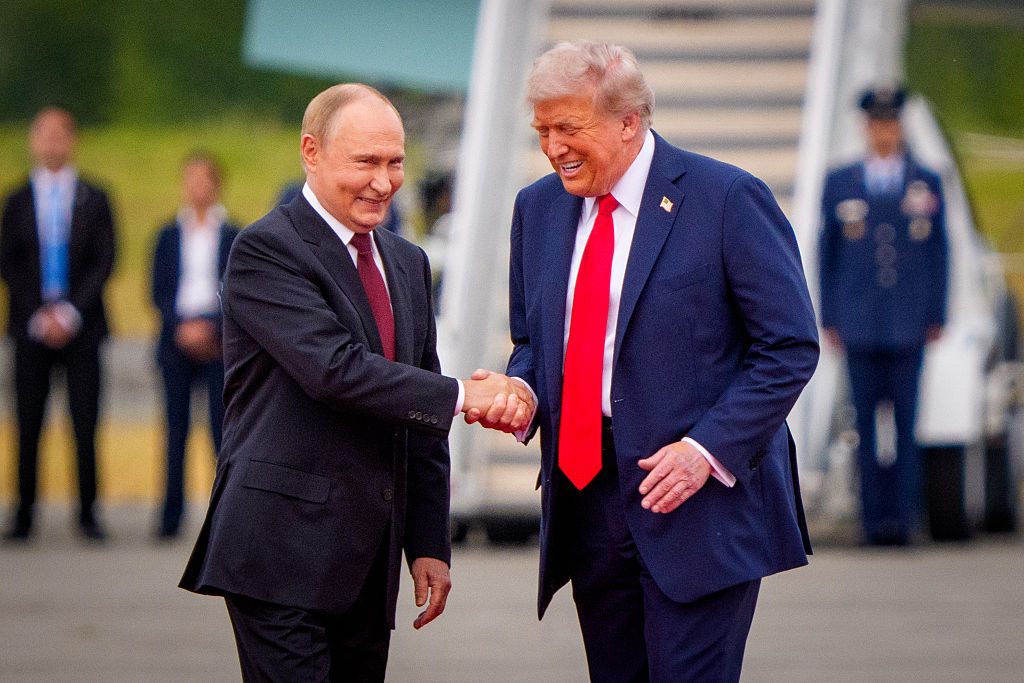
The proposed summit between Russian President Vladimir Putin, Chinese President Xi Jinping, and U.S. President Donald Trump will not be the second Yalta Conference. Despite the parallels drawn by Kremlin propagandists, the composition of the meeting differs significantly from the original 1945 gathering. While the original Yalta involved a democratic alliance with a totalitarian power, the upcoming meeting would bring together two entrenched autocrats and an American president whose approach to diplomacy is evolving.
China's Foreign Ministry emphasized the meeting's groundbreaking significance, stating the leaders would exchange views on safeguarding world peace and promoting strategic stability. For Putin, the meeting could provide an opportunity to negotiate favorable terms for withdrawing from Ukraine or challenge Western diplomatic isolation. Meanwhile, Trump seeks to demonstrate his influence on the world stage following a challenging midterm election cycle and other domestic issues.
The agenda remains unclear, with initial reports suggesting the meeting would focus on denuclearization. However, China has objected to being included in nuclear disarmament talks. Alternative topics, such as AI in nuclear command-and-control systems and reaffirming the non-use of nuclear weapons, have also been proposed. Xi's primary goal would likely be to secure American concessions on Taiwan's status. The meeting's success could bolster Xi's bid for a fourth term as Chinese Communist Party leader.
Written by urgent.news from Time's reporting — not their text. Machine-written — may contain errors; check the original before relying on it.