Women in France report painful periods after exposure to tear gas at protests
Thousands of women in France have reported unusually painful periods, heavy bleeding and disrupted menstrual cycles after being exposed to tear gas during the country's recent protests, prompting calls for an investigation into its possible effects on reproductive health.
More than 100,000 individuals marched across France over the weekend, joining fifth consecutive Saturday demonstrations, as they expressed concerns ranging from economic issues to a proposed police legislation. The European Union’s second-largest economy has faced high-school blockades and mass protests for over a month, with the far-right leading in the polls for the upcoming presidential election.
Approximately 106,000 individuals participated in the nationwide march, with 24,000 in Paris, according to the interior ministry. Student unions reported around 200,000 demonstrators, including nearly 100,000 in the capital.
Protesters chanted "No justice, no peace" and called for the resignation of President Emmanuel Macron or the prosecution of the police. A group carried a giant puppet with a hat reading "Lord Macron." Many of the largely peaceful rallies have experienced isolated instances of violence and accusations of police brutality, including against young protesters.
Adrien, a 20-year-old cellist, expressed concern about the police bill proposed in parliament, which would grant police using weapons greater legal protection. The far-right party of presidential hopeful Marine Le Pen supports the bill, while activists argue it would hinder investigations and accountability.
Various other demands emerged nationwide, such as improved learning conditions, children's rights, and general pleas for a better France. In Bordeaux, 72-year-old Josette sang a protest song, expressing gratitude to the youth for the movement. Macron's popularity has reached its lowest since becoming president in 2017, and the government has limited options to address protester demands while grappling with reducing its debt.
Polls indicate that the hard-left candidate Jean-Luc Melenchon is projected as the runner-up in the upcoming elections, while the center-right is struggling to present a strong contender.
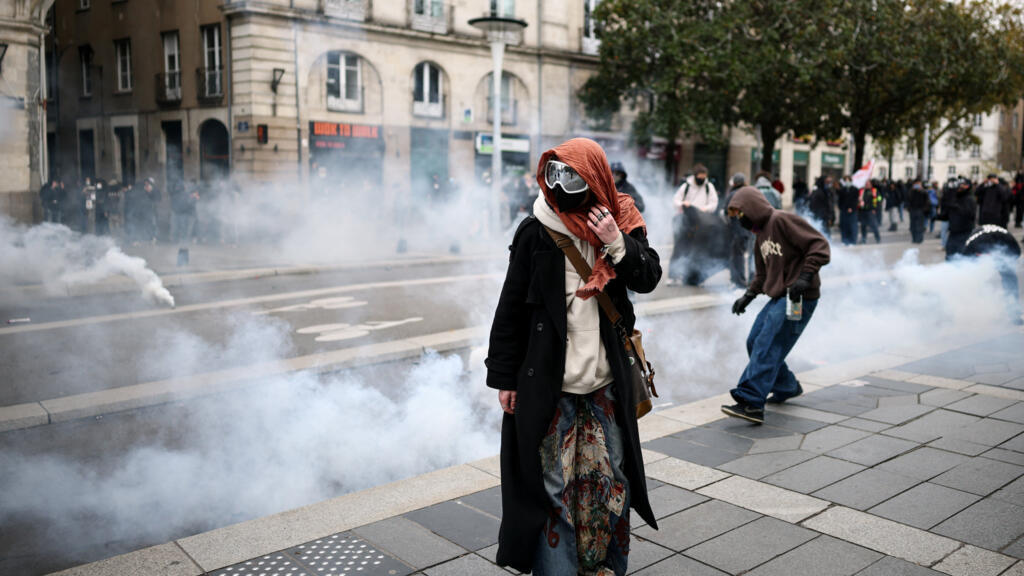
In Toulouse, Kenza, a 28-year-old asylum law specialist, criticized the government's handling of the social unrest, stating that the repression of protesters is unacceptable, particularly when they are children. Lawyers have reported police violence leading to injuries such as hand, foot, and eye mutilations. Yesterday's rallies were generally peaceful, but police used tear gas in Paris, Bordeaux, and Nantes after some individuals shot fireworks.
Police intervened in Lyon to protect television reporters from protester attacks. Unions have called for new strikes on Tuesday, rejecting a government promise to increase the minimum wage by 0.6 percent as "crumbs." The largest protests in recent weeks occurred during a union-led strike on Thursday, with over half a million people participating nationwide.
Written by urgent.news from Malay Mail's reporting — not their text. Machine-written — may contain errors; check the original before relying on it.
This story
This is one outlet's version. Read the fullest account.
- More than 100,000 protest across France for fifth consecutive weekend timesofindia.indiatimes.com
- More than 100,000 march across France as protests enter fifth weekend malaymail.com
- France sees fifth consecutive Saturday of nationwide protests euronews.com
- Riots in France: How anti-government protests spiraled out of control koreatimes.co.kr
- 'No justice, no peace': Fifth round of protests sweep across France france24.com
- More than 100,000 rally across France in new Yellow Vest protests aljazeera.com