Why your Wi-Fi slows down when more devices connect
Your Wi-Fi router is like a busy train station, and once you get a sense of how things work, it's easier to keep the incoming and outgoing traffic humming.
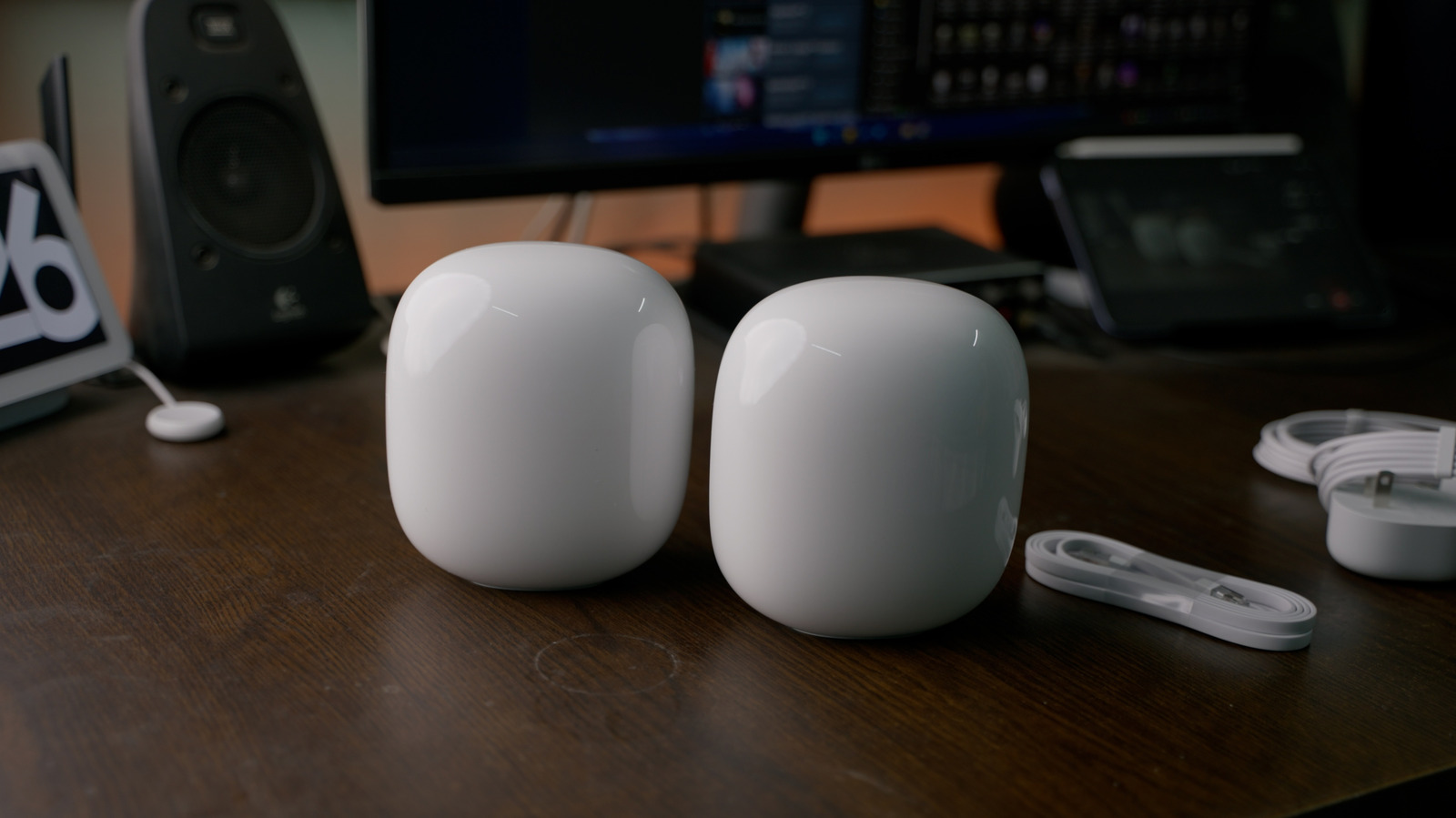
Your home Wi-Fi network functions like a bustling train station, with devices serving as passenger trains. As the number of connected devices has surged in recent years, from traditional PCs and consoles to smart watches and home appliances, so too has the strain on performance. The Wi-Fi router is not merely a series of tubes, but a central hub with multiple lines of incoming and outgoing traffic.
Controlling when and how devices connect is crucial to preventing congestion. Home internet plans come with a fixed bandwidth cap, typically 9.6Gbps for Wi-Fi 6 and 6E, and up to 46Gbps with Wi-Fi 7. However, this total capacity is divided among local device communication, so heavy downloads can temporarily slow down other activities.
Wi-Fi 6 introduces 2.4 and 5GHz bands, while 6E and 7 add a 6GHz option, each with limited channels. Overloading the 2.4GHz band, which has only three non-overlapping channels, can cause significant delays. Older Wi-Fi 5 protocols may only support 10 to 25 devices before kicking others off. Wi-Fi 7 may improve performance but isn't a cure-all, as not all devices support it.
To maximize Wi-Fi 7 benefits, both router and devices must be compatible. For optimal results, route devices to 5 or 6GHz bands if available, as they offer less congestion and faster speeds. However, this may not be possible with mesh routers. Consider consolidating smart home devices onto hub-based systems like Thread or Zigbee, which share a single Wi-Fi connection, reducing channel competition.
Written by urgent.news from Engadget's reporting — not their text. Machine-written — may contain errors; check the original before relying on it.