Why hasn't the 'Blaze Star' exploded yet? Astronomers weigh in on what to expect
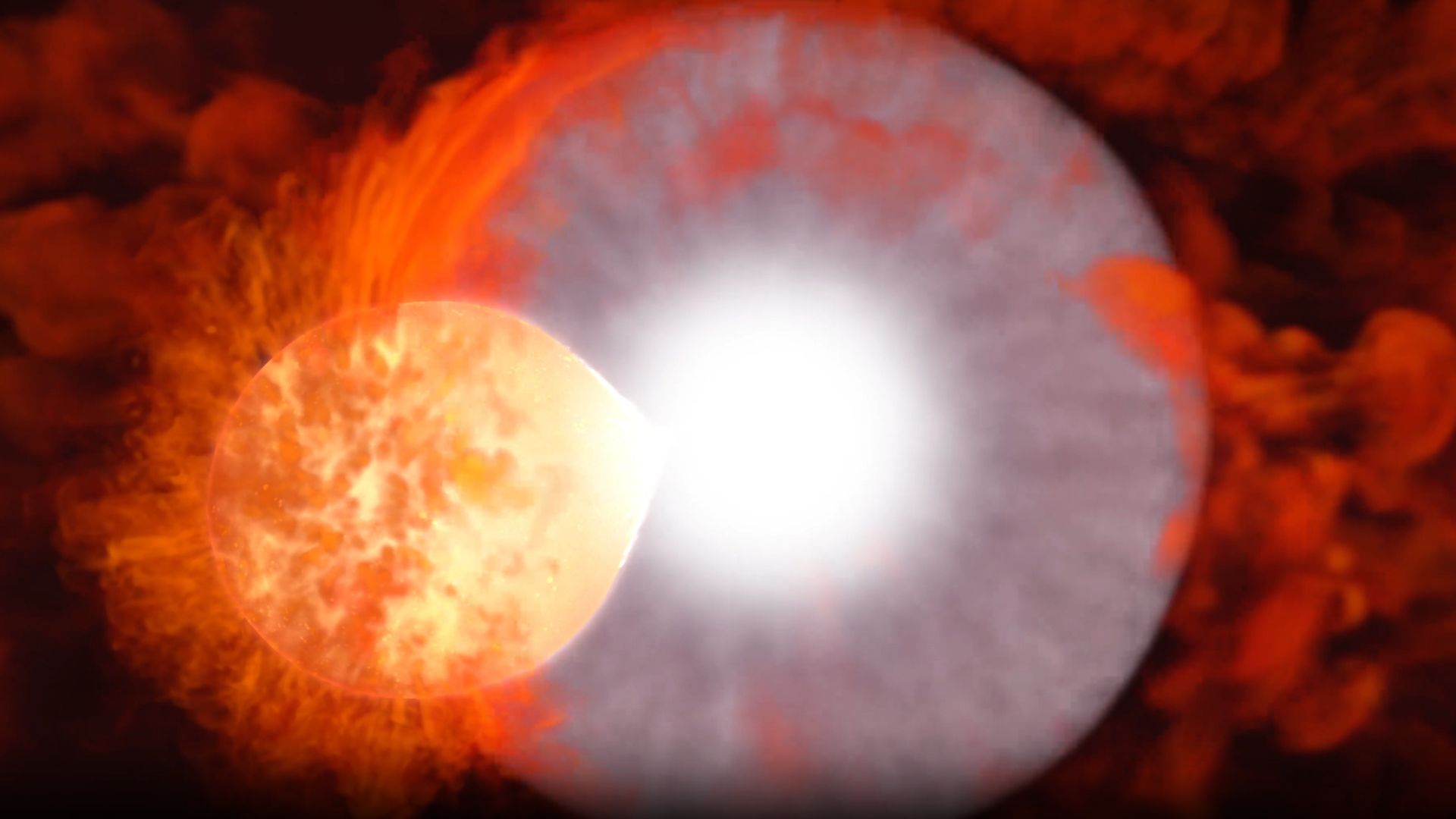
For the past two years, sky watchers have eagerly anticipated the appearance of a new light in the night sky, stemming from T. Coronae Borealis, also known as the Blaze Star. This binary system comprises a white dwarf star and a red giant. The white dwarf gradually siphons material from the red giant until it reaches a critical mass, triggering a dramatic nova explosion.
This event causes the star's brightness to increase a thousandfold before gradually returning to its original state and starting the cycle anew. Astronomers are confident that the Blaze Star will erupt soon, as it has done in the past. However, predicting the exact timing of the eruption remains challenging due to uncertainties in measuring the rate at which gas accumulates on the white dwarf's surface and the precise trigger mass for the explosion.
The last observed eruption in 1946 suggests that another brightening is likely within the next few years, but the precise date remains uncertain. When the nova occurs, the star's brightness will increase dramatically, reaching magnitude +1.7 – brighter than the North Star Polaris – and remaining visible for several days before fading.
The Blaze Star can be found near the magnitude +4.28 star Epsilon Coronae Borealis in the constellation Corona Borealis, making it accessible to amateur astronomers throughout the evening and early morning hours.
Written by urgent.news from Space.com's reporting — not their text. Machine-written — may contain errors; check the original before relying on it.