Why do some USB connectors have those 2 square holes?
Some USB connectors, including USB-A, feature two small holes that have an important purpose. Other USB connectors lack these holes for a reason, too.
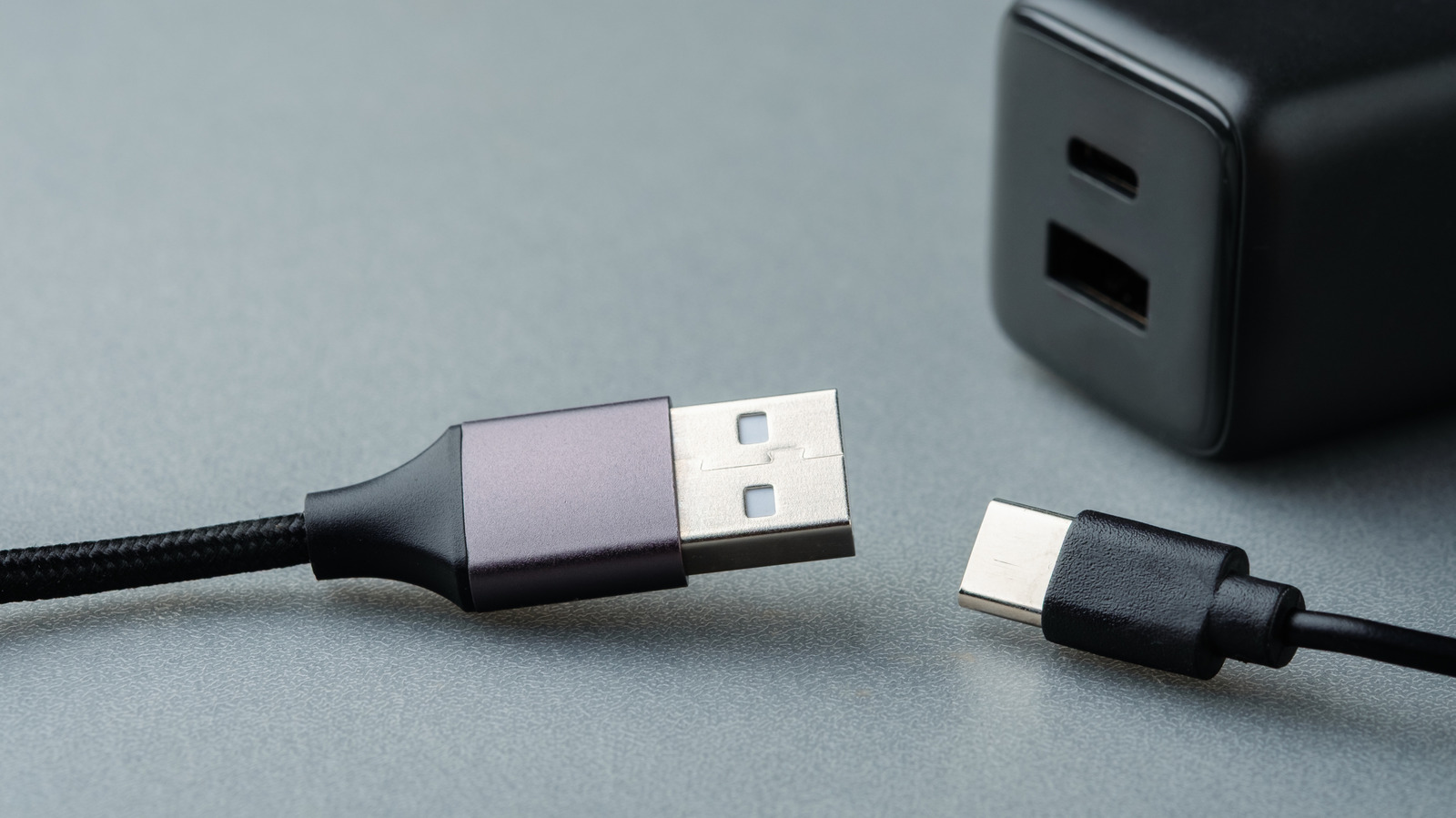
The square holes found on USB-A connectors serve a crucial purpose in maintaining a secure connection. Before USB-C became the standard, USB-A was the original design created in the late 1990s by a consortium of tech giants. This connector aimed to simplify the connection of peripherals like keyboards and printers, promoting broader compatibility and reducing cable clutter.
These square-shaped holes play a pivotal role in the connector's design, working in tandem with spring-loaded retention clips located within the female USB-A port. These clips snap into the square holes, ensuring a stable and reliable connection. This mechanism prevents accidental disconnections during tasks such as data transfer, charging, or peripheral operation.
The USB-A connector is not reversible, requiring a correct insertion process, which is indicated by an audible click when the device is properly secured. This design requires the cable to be plugged in the right way, as it won't easily slide out unless forcefully pulled. USB-C cables, however, utilize a different locking mechanism, relying on spring-loaded tabs and notches within the female port to secure the connection without the need for square holes.
This reversible design allows for easy insertion and removal. It's worth noting that while Micro-USB connectors once used spring-loaded clips in the male port, USB-C has become the prevailing standard in smartphones, with the European Union mandating its use in mobile devices by 2024. Despite USB-C's popularity, USB-A remains a common sight in offices and other settings.
Written by urgent.news from Engadget's reporting — not their text. Machine-written — may contain errors; check the original before relying on it.