What <em>You Can See Everything</em> Gets Wrong
Why shouldn’t the subject of a documentary get paid?
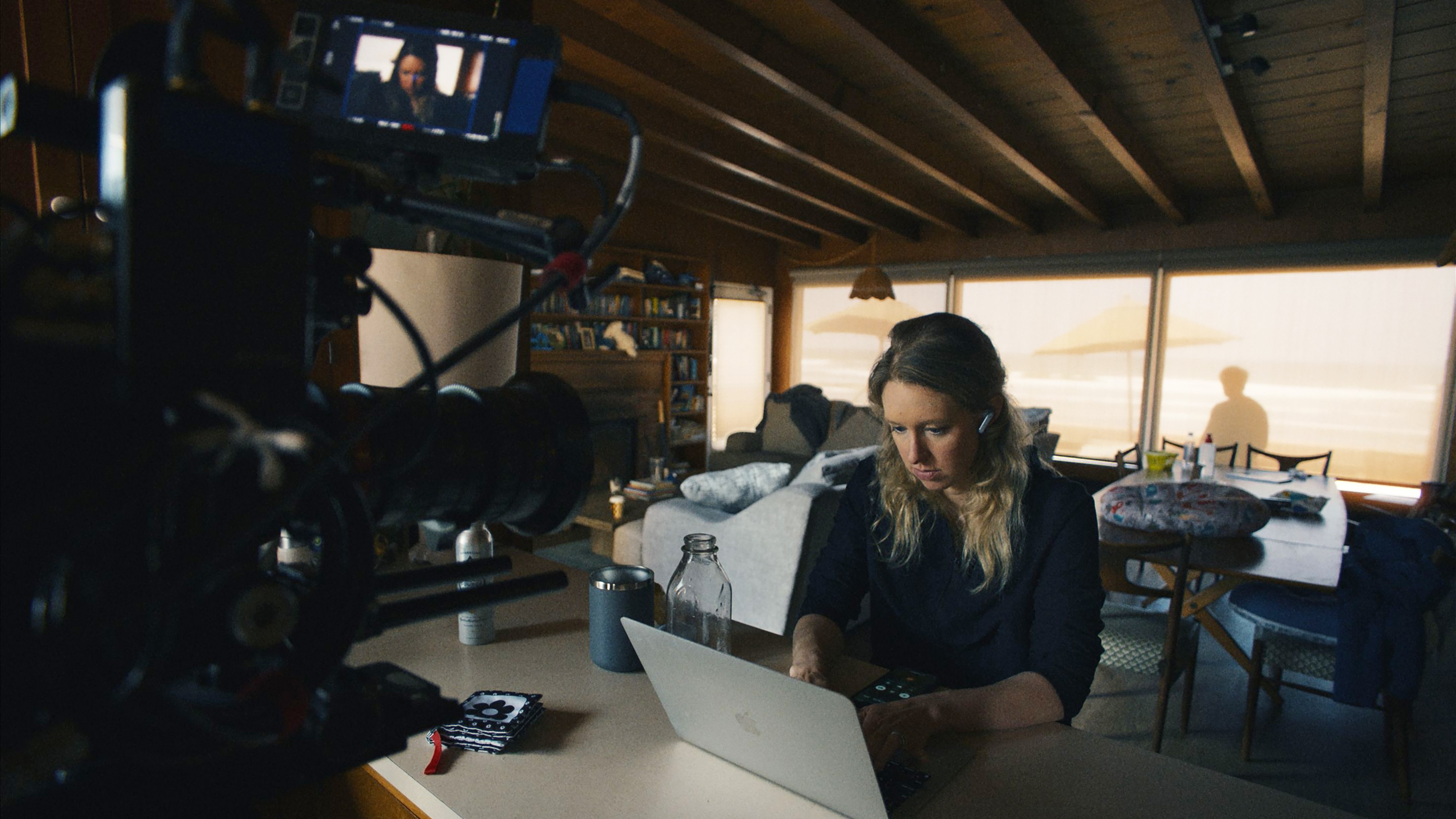
Y ou Can See Everything has introduced Billy Evans as the new villain in the documentary about Elizabeth Holmes, the former CEO of Theranos, and her subsequent conviction for fraud. Despite not being implicated in any wrongdoing, Evans is portrayed as profiting from the documentary due to his financial stake in the project. The documentary stages a reenactment of a scene where Evans meets with the filmmakers and executives, revealing his willingness to allow the crew into his home, record his children, and even photograph him in the shower.
This degree of access is considered highly valuable monetarily, and the executives react as if it were unprecedented. Throughout the second half of the film, the focus shifts to interrogating Evans and Holmes's financial motives, highlighting the potential impact on their honesty and transparency. The controversy surrounding Evans' participation in the documentary raises questions about the ethics of paying documentary subjects, which is deemed unusual by traditional journalistic standards.
However, the author argues that the issue is more complex than it appears, and points to personal experiences of being photographed without consent for licensing purposes. The author, Christopher Robinson, shares his own experience of paying for a photo to be included in his documentary about Amanda Knox, emphasizing that documentary subjects often get paid for their involvement, even if it's not explicitly disclosed.
Written by urgent.news from The Atlantic's reporting — not their text. Machine-written — may contain errors; check the original before relying on it.