Top Tip: How fast fashion revitalised dumpster diving
While dumpster diving might once have carried a negative stigma, the changing economics of retail, ecommerce and the cost of living have created a perfect storm for the practice's revival, writes Adam Maguire.
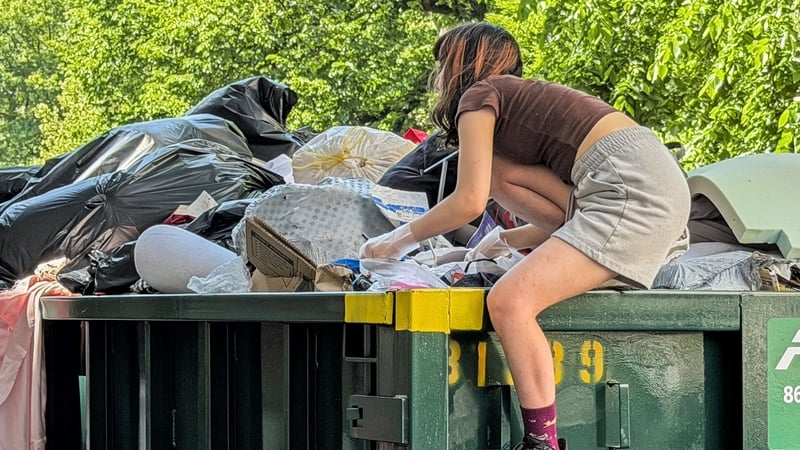
Fast fashion has revitalized the practice of dumpster diving, turning it into a more popular and lucrative activity. In the past, this practice would have been associated with poverty, but with the rise of social media, dumpster diving has experienced a resurgence. Influencers like 31-year-old Carter Stevens claim to make around $140,000 a year from this activity.
While followers may not see the full picture of dumpster diving due to the selective highlights on social media, it is clear that these influencers have changed perceptions of the practice.
The legality of dumpster diving varies by location. In some U.S. states, it is seen as fair game under the 1996 Waste Management Act, which makes tampering with public or private waste receptacles illegal. However, trespass laws and monitoring by security guards can be an issue in Ireland. Nonetheless, the economic benefits of dumpster diving are becoming more appealing as retailers and manufacturers struggle to manage waste.
The fast fashion industry plays a significant role in this shift. Fast fashion focuses on quickly cycling through products, often resulting in unsold items being dumped. Retailers may offer discounts on lightly damaged goods or donate them to charities, but the sheer volume of waste can make it difficult to find willing fixers or customers.
The European Union has regulations that encourage retailers to find uses for excess goods, but the scale of waste remains a challenge. Overall, the fast fashion industry's impact on waste management and the rise of social media have combined to create a more lucrative and visible dumpster diving scene.
Written by urgent.news from RTE News's reporting — not their text. Machine-written — may contain errors; check the original before relying on it.