The Rohingya are not a legal precedent. We are a people waiting for justice — Yasmin Ullah
NOVEMBER 15 — On November 19, the International Court of Justice (ICJ) will deliver its judgment in The Gambia v....
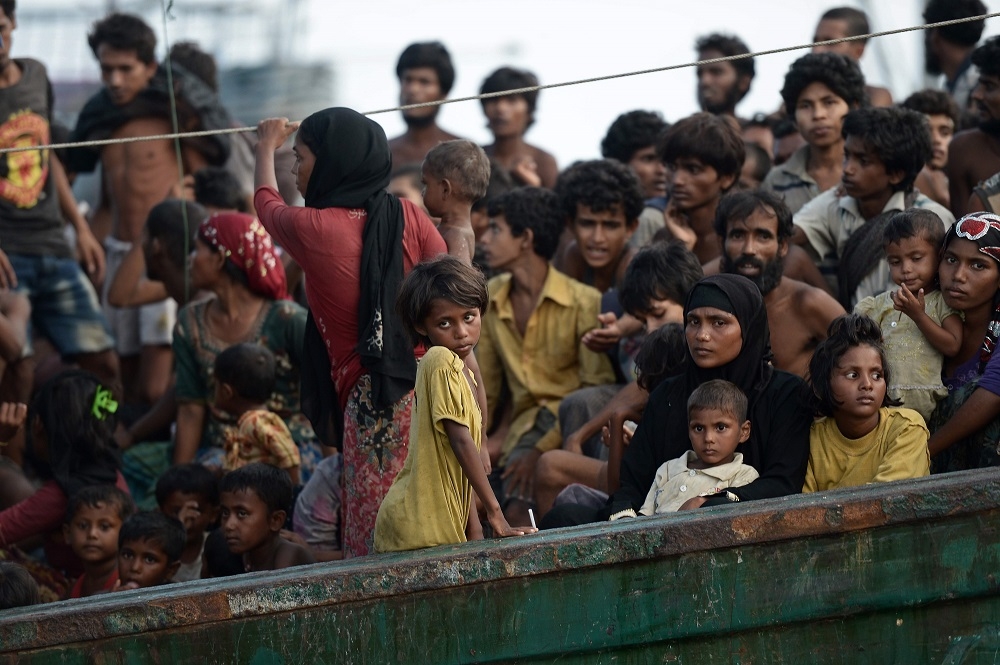
On November 19, the International Court of Justice (ICJ) is set to announce its verdict in The Gambia v. Myanmar, a case concerning Myanmar's potential violations of the Genocide Convention. This case is particularly significant for the Rohingya community, who have endured years of persecution and have been waiting for the world to recognize their plight for nearly a decade.
However, the focus of the discourse is shifting away from the Rohingya people and onto a potential legal precedent. In September, an op-ed in the Wall Street Journal expressed concerns that the ICJ could lower the legal threshold for proving genocide in the Rohingya case. During October, the US Ambassador Mike Waltz further emphasized this concern, warning against lowering the genocide threshold, which could affect American and allied soldiers, as well as sanctions against ICJ judges.
The fear is that a judgment against Myanmar could set a legal precedent that could be used against other states, such as South Africa's pending genocide case against Israel. Nevertheless, it is crucial to remember that the Rohingya case is not a legal stepping stone but rather the case of the Rohingya people themselves. It is a culmination of decades of advocacy, survivor testimony, and documentation, and seeking justice for the Rohingya should not be contingent on the potential implications for other states.
The Genocide Convention outlines specific requirements that must be met, and the Court's interpretation of these requirements is crucial. While the issue of lowering the genocide threshold is a legitimate legal discussion, it should not distract from the fundamental need for justice for the Rohingya. The women and girls who survived the 2017 genocidal campaign, as well as the families who lost homes, loved ones, and communities, deserve to have their traumas addressed and their rights protected.
Their struggle extends beyond the legal proceedings and into their daily lives, with limited access to healthcare, psychosocial support, and the hope of returning home. As the debate continues, it is essential to keep the focus on the Rohingya people and their quest for justice, rather than allowing the conversation to be overshadowed by legal abstractions.
Written by urgent.news from Malay Mail's reporting — not their text. Machine-written — may contain errors; check the original before relying on it.