The right diagnosis, an incomplete cure – Frimpong Boateng writes on 2027 budget
“These boom-and-bust cycles must cease” On the evening of Thursday, November 12, 2026, the Minister for Finance, Dr Cassiel Ato Forson, when presenting the 2027 budget, told Parliament that Ghana’s boom-and-bust cycles must cease. Few Ghanaians would disagree. Too many times we have lived through hope followed by hardship, a stable cedi followed by sharp […]
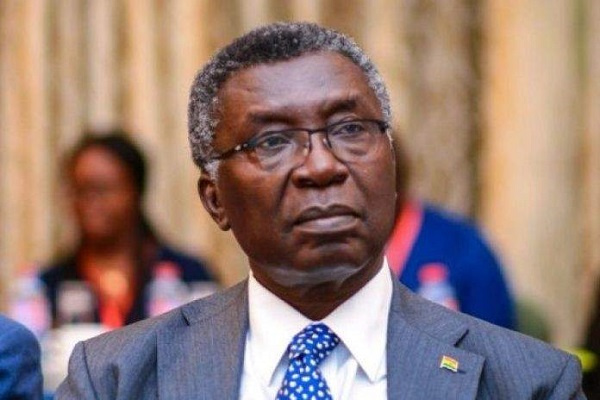
Dr Cassiel Ato Forson, the Minister for Finance, declared during the unveiling of Ghana's budget for 2027 that the recurring boom-and-bust cycles must end. This sentiment resonates with many Ghanaians who have experienced the cycle of hope and hardship, stable currency followed by depreciation, and recovery followed by another crisis.
While Dr Forson's budget statement presents a comprehensive analysis of the causes of instability, it fails to provide a complete solution to this recurring problem. The budget identifies two primary causes: the dependence on raw commodity exports and fiscal indiscipline. However, it overlooks a third crucial factor that, if not addressed, could lead to a new bust cycle.
The budget's focus is on the New Economy programme, which emphasizes the import of machinery and equipment as a means to process commodities and boost economic growth. While this approach aims to replace imported goods, the budget neglects to consider the long-term implications of relying on imported capital goods. The budget's allocation favors the procurement of agricultural machinery, the completion of the Foundry and Machine Tooling Centre, and the acquisition of imported spares and engineering services.
However, it does not allocate resources for the development of local manufacturing industries that could produce these machines domestically, thereby reducing the need for foreign exchange imports. The arithmetic of the budget reveals a stark reality: the government's emphasis on importing capital goods will perpetuate the cycle of dependence on foreign exchange.
Even if the New Economy programme succeeds in processing all commodities domestically by 2030, the reliance on imported spares and machinery will create a persistent demand for foreign currency. When commodity prices fall, as they inevitably will, Ghana will face a renewed pressure on the cedi, triggering a new boom-and-bust cycle at a higher level of output.
This scenario highlights the limitations of the budget's approach, which effectively assembles but fails to manufacture a sustainable economic model. The budget's focus on importing machinery and equipment, while essential for processing commodities, does not address the root cause of the problem. To break free from the cycle of boom-and-bust, Ghana must prioritize the development of local manufacturing industries that can produce these capital goods domestically.
By doing so, the country can reduce its reliance on foreign exchange, stabilize the cedi, and create a more resilient economic foundation.
Written by urgent.news from MyJoyOnline Ghana's reporting — not their text. Machine-written — may contain errors; check the original before relying on it.
This story
This is one outlet's version. Read the fullest account.