Si se refuerza el papel de las mutuas como pide el PP, ¿hasta dónde se puede vigilar a un empleado enfermo?
Los populares plantean dar más poder a estas organizaciones paga agilizar las bajas de los trabajadores, pero los expertos advierten de los riesgos de violar la intimidad de los trabajadores
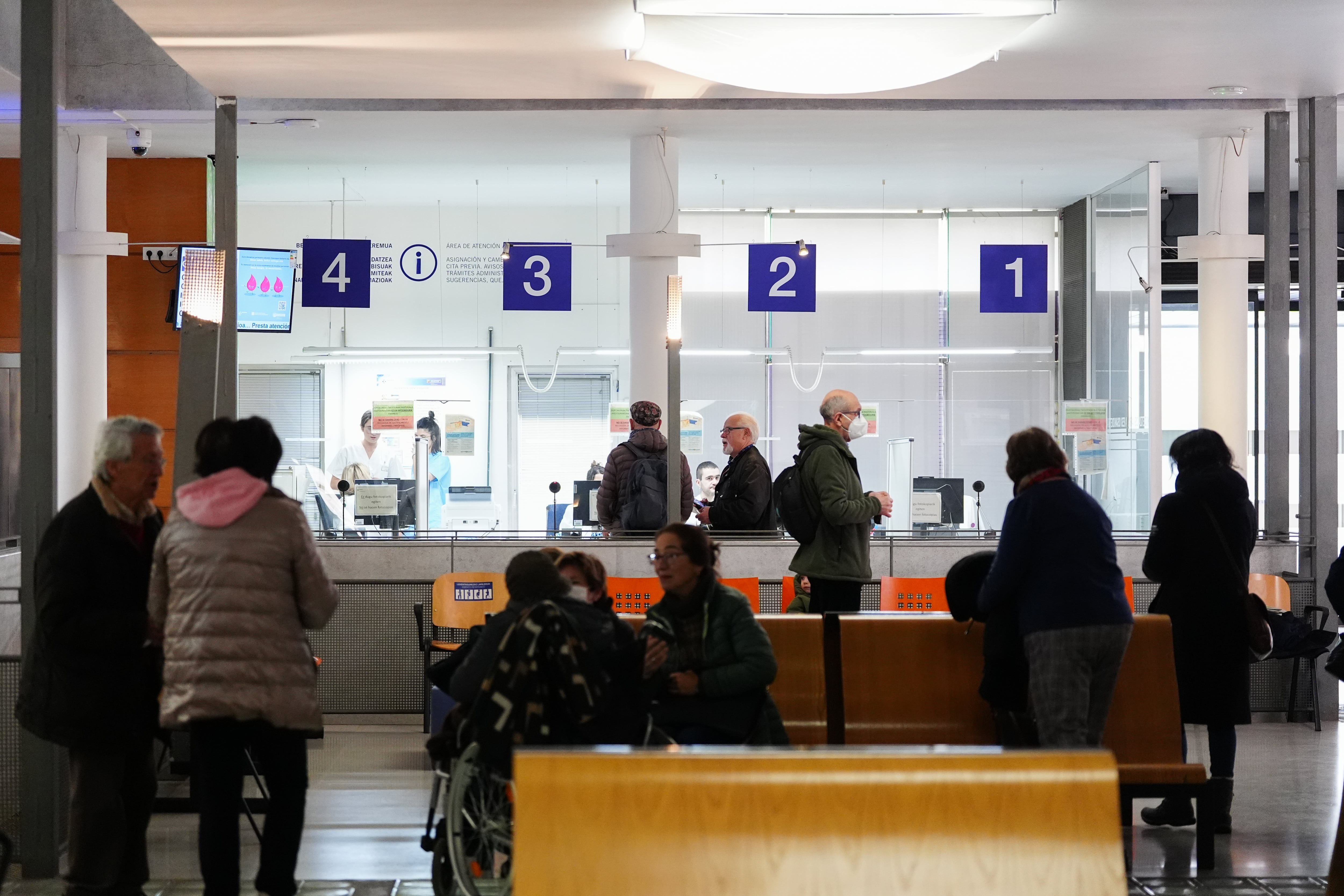
Labor absenteeism has reignited the debate on monitoring sick leave, according to Randstad Research. In 2025, 1.59 million people stopped reporting to work daily, with 1.24 million facing temporary disability. The Spanish People's Party (PP) proposes expanding mutual organizations' (mutuas) powers, raising questions about who should oversee absences and the limits of their control.
Currently, mutuas can monitor temporary disability processes and propose discharges, but the final decision rests with public health services or the Social Security system. The PP's reform seeks to strengthen their role. Supporters argue it would reduce delays, while opponents fear increased pressure to expedite returns to work.
Sabaté from Baker McKenzie attributes the rise in sick leave to factors like an aging workforce, healthcare waiting lists, and mental health issues. Quiñones from Javaloyes Legal warns against automatically linking the increase in absences to fraud and emphasizes the need for more focus on prevention and improving working conditions.
Written by urgent.news from El Pais Economia's reporting — not their text. Machine-written — may contain errors; check the original before relying on it.