Schlaf: Einschlafzucken schreckt viele auf - muss man Hilfe suchen?
Eine Online-Befragung von fast 200 Erwachsenen zeigt: Das meist harmlose Zucken beim Einschlafen geht bei einigen Menschen mit Angst, Anspannung und schlechterem Schlaf einher. Was tun?
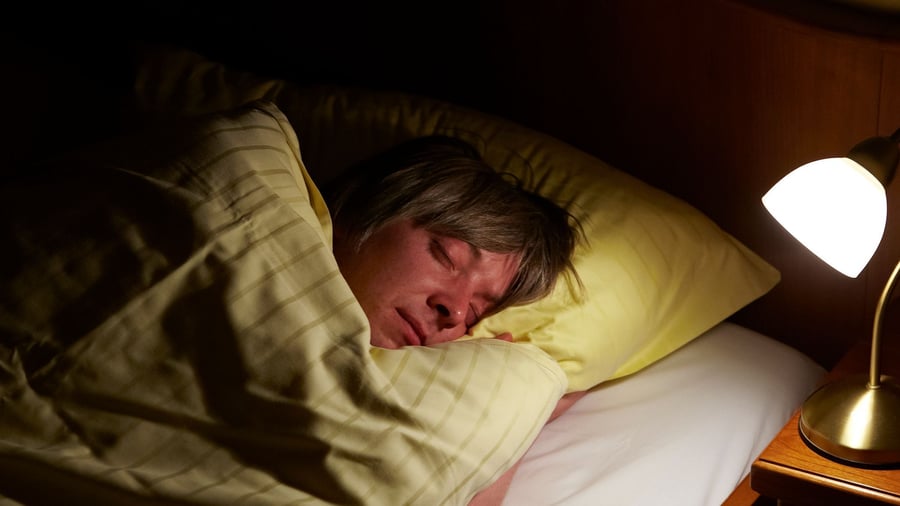
Many people experience sudden muscle contractions while drifting off to sleep, a phenomenon that is relatively common but can be distressing for some individuals. A study conducted by a team at the University of Salzburg, published in the journal PLOS Mental Health, surveyed 194 adults from Austria and Germany about their experiences with sleep startle phenomena.
These sudden, brief muscle contractions can occur all over the body or in specific areas, and there are additional sleep disturbances such as feeling as though one is falling, increased heart rate, flashes of light, loud noises, and intense feelings of alarm or fear. Among the respondents, 96 experienced such awakenings at least once a week, while the average was nearly two nights per week for people in this group ("afflicted").
The remaining 98 experienced nothing or less frequently than once a week. When applied to the general population, this translates to around 50 percent of people being affected. The study acknowledges that participation was voluntary and that individuals more likely to be aware of the phenomenon participated. Previous research estimates that 60 to 70 percent of people have experienced sleep starts at least occasionally, with about 10 percent reporting daily occurrences.
The most frequently reported symptoms were muscle twitches, dreaming, falling sensations, tingling or numbness, often accompanied by increased heart rate or rapid breathing. Many respondents also mentioned alarm, confusion, fear, or a sense of acute threat. Some experienced dream-like experiences, often involving falling or spatial disorientation.
Despite these symptoms, most participants reported quickly returning to sleep. It is unclear whether these disruptions are clinically significant, as the study only collected self-reported symptom burdens using established questionnaires. The study highlights the diversity of symptoms, which are harmless to many but not to some.
Afflicted individuals often try to divert their thoughts while falling asleep. Sleep quality was poorer in those affected compared to a control group, with increased anxiety and depressive symptoms. Whether sleep starts contribute to these burdens is unclear. The study did not include individuals with Restless Legs Syndrome, sleep apnea, epilepsy, or Parkinson's disease, and it did not account for objective sleep measurements.
Experts point out that the data rely on self-reported symptoms, which may not be entirely accurate. They also note that participants were selected for having symptoms at least once a week, which could lead to an overestimation of the condition's prevalence. The causes of these symptoms are still poorly understood, and it is difficult to study them in a sleep lab due to their brief and unpredictable nature.
While the majority of people consider these phenomena harmless, for some, they can be very unpleasant, potentially triggering feelings of falling or increased anxiety. Those experiencing such events frequently may benefit from psychological interventions, such as cognitive therapy for anxiety, to reduce their apprehension before bedtime.
Intensive medical treatment with Clonazepam is generally considered disproportionate due to potential risks and side effects.
Written by urgent.news from Handelsblatt's reporting — not their text. Machine-written — may contain errors; check the original before relying on it.