Russell Brand moved to new prison
Russell Brand has been moved to a new British prison, just days after his rape conviction.
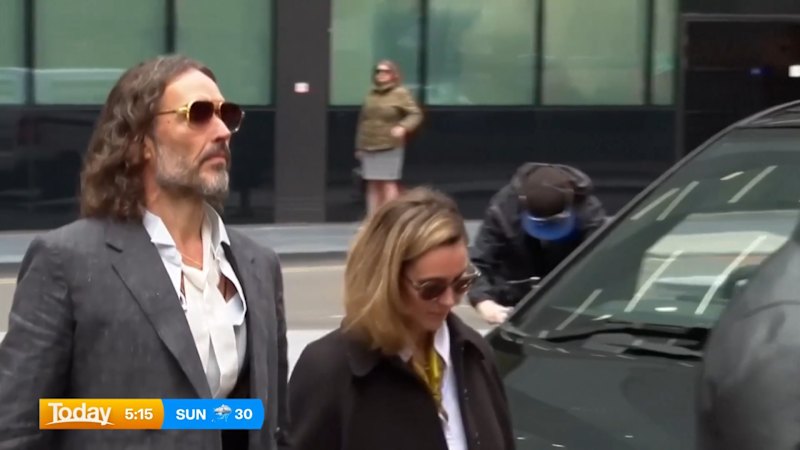
Britain's entertainment industry is under scrutiny over a series of sexual abuse allegations against prominent male figures, prompting calls for major reforms and increased oversight. Prime Minister Andy Burnham has urged the media sector to examine its practices to safeguard the welfare of women and girls working within it. Comedian Russell Brand was recently sentenced to over a decade in prison for rape and sexual assault against four women, with accusations dating back to the 2000s.
Additionally, children's author David Walliams is currently under investigation for "serious sexual offences" allegedly committed against children. Both have vehemently denied the allegations.
Comedian Lucy Beaumont, who previously alerted the Guardian of similar accusations, expressed optimism about the potential for change within the industry. She lamented the lack of HR departments and proper duty of care, noting that there is a window of opportunity to effect real change. Culture Minister Lisa Nandy plans to meet with industry leaders on Tuesday and emphasized that the government is prepared to take action if the implemented protections prove insufficient.
Experts emphasize the necessity of a cultural shift alongside governmental reforms to address issues of sexual violence. University of Leeds media lecturer Kat Higgins, who co-authored the 2023 book "Believability: Sexual Violence, Media, and the Politics of Doubt," highlights the urgent need for a cultural reckoning to alter how society responds to credible allegations of sexual harm. Higgins also advocates for reforms to the legal system to prevent the misuse of non-disclosure agreements (NDAs) to silence survivors.
The history of sexual abuse and harassment scandals in Britain's entertainment industry dates back to the 2012 revelation of Jimmy Savile's extensive predatory behavior. Other notorious offenders include Gary Glitter and Rolf Harris, whose crimes have brought renewed focus on the issue. The #MeToo movement, which started in 2017, has further brought attention to sexual crimes and harassment within the industry.
While the culture has shown gradual improvement, it is regarded by experts like Anna Bull of the University of York as progressing far too slowly. Bull, who has been studying sexual harassment in UK organizations for over a decade, warns that while attitudes have evolved and what is deemed appropriate has changed, the systems and regulatory oversight have not kept pace. She points out that tougher legislation mandating employers to take reasonable steps to prevent sexual harassment only became law recently.
Bull notes that the film and TV industry remains the most resistant to addressing sexual harassment, despite awareness rising. Young freelancers working in film and TV are particularly vulnerable due to their precarious employment status, gender imbalances in power structures, and a significant reduction in job vacancies in recent years. This combination of factors creates a perfect storm, making many hesitant to formally report incidents or raise concerns, as the consequences could severely impact their careers.
Written by urgent.news from Malay Mail's reporting — not their text. Machine-written — may contain errors; check the original before relying on it.
This story
This is one outlet's version. Read the fullest account.
- From Jimmy Savile to Russell Brand: Why does Britain’s media keep shielding its biggest stars? malaymail.com
- Mia Latter alleges Russell Brand raped her as a 16-year-old abc.net.au
- Sharon Osbourne expresses concern for Russell Brand’s family dailytimes.com.pk
- Noel Fielding 'appalled' by jokes he made with Russell Brand bbc.co.uk
- Russell Brand moved to new prison smh.com.au