Questions over Egypt's plan to use Red Sea land to lower debt
Egypt has set aside a large stretch of land on its Red Sea coast to help cut public debt , prompting calls for clarity on how the plan will work. A decree signed by President Abdel Fattah El Sisi, which became public last week, covers state-owned land of about 112 million square metres on the Gulf of Suez. The decree adds “reducing the state's public debt” as a permitted use. Finance Minister…
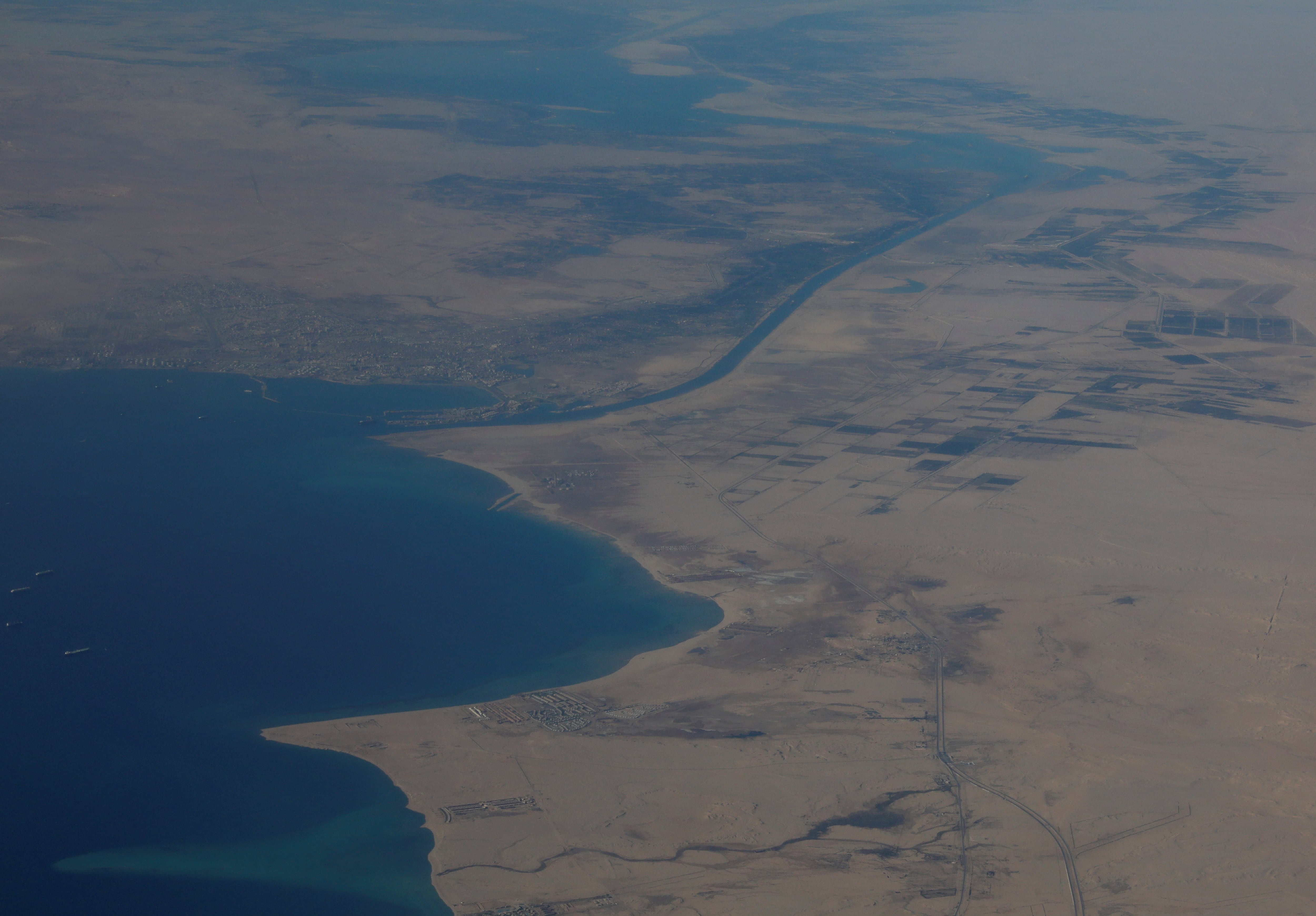
Egypt has designated a vast area of land along its Red Sea coast, equivalent to 112 million square meters, with the aim of reducing the nation's public debt. This decision was made public last week through a decree signed by President Abdel Fattah El Sisi. The decree officially allows the use of this state-owned land for the reduction of the state's public debt.
Finance Minister Ahmed Kouchouk revealed that his ministry is currently developing a strategic plan for the development of the designated Red Sea area. The plan could involve various partnerships with the private sector, offering usage rights, and even swapping investments against outstanding debts. Kouchouk stated that the returns from these investments would be used to improve debt figures and free up funds for welfare and public services. However, the minister did not provide a timeline or estimated value for this land.
The size of this coastal land is comparable to the 174 million square meters of land set aside in June 2025 for debt reduction and Islamic finance at Ras Shukeir. Additionally, in 2024, Abu Dhabi's ADQ agreed to pay $24 billion for development rights to about 170 million square meters of land at Ras El Hekma on the Mediterranean, converting $11 billion of deposits into investments while retaining a 35% stake.
More recently, Qatari Diar signed a deal worth $29.7 billion to develop about 20 million square meters at Alam El Roum, paying $3.5 billion in cash for the land.
Despite these investments, Prime Minister Mostafa Madbouly emphasized that reducing the public debt is a top priority for the government. He instructed officials to draft a detailed plan outlining tasks for each ministry, which would then be presented to the President. The recommendations from the Egypt Forum 2026 aim to bring public debt down to around 69.5% of GDP by 2030, from its current level of 81.9%. These recommendations also call for the implementation of debt ceilings.
Kouchouk claimed in a LinkedIn post that government debt had decreased from 96% of GDP over the past three years, with the budget in surplus in 2025/26 when interest payments were discounted. However, it should be noted that this figure refers to budget-sector debt, a narrow measure that excludes the finances of the central bank and state authorities.
The broader metric of general government debt, which includes other authorities like the petroleum authority, represents a significant portion of Egypt's finances. As of March, budget-sector debt stood at 17.85 trillion Egyptian pounds ($328 billion), with 4.17 trillion pounds ($76.6 billion) owed abroad.
Written by urgent.news from The National UAE's reporting — not their text. Machine-written — may contain errors; check the original before relying on it.
This story
This is one outlet's version. Read the fullest account.
- Questions over Egypt's plan to use Red Sea land to lower debt thenationalnews.com