Political theater or not, Netanyahu and Eisenkot both need unity talks to look real - analysis
Netanyahu still hasn’t said the word 'rotation,' and Eisenkot called his appeal 'spin,' but neither wants to be cast as the man who stood in the way of unity.
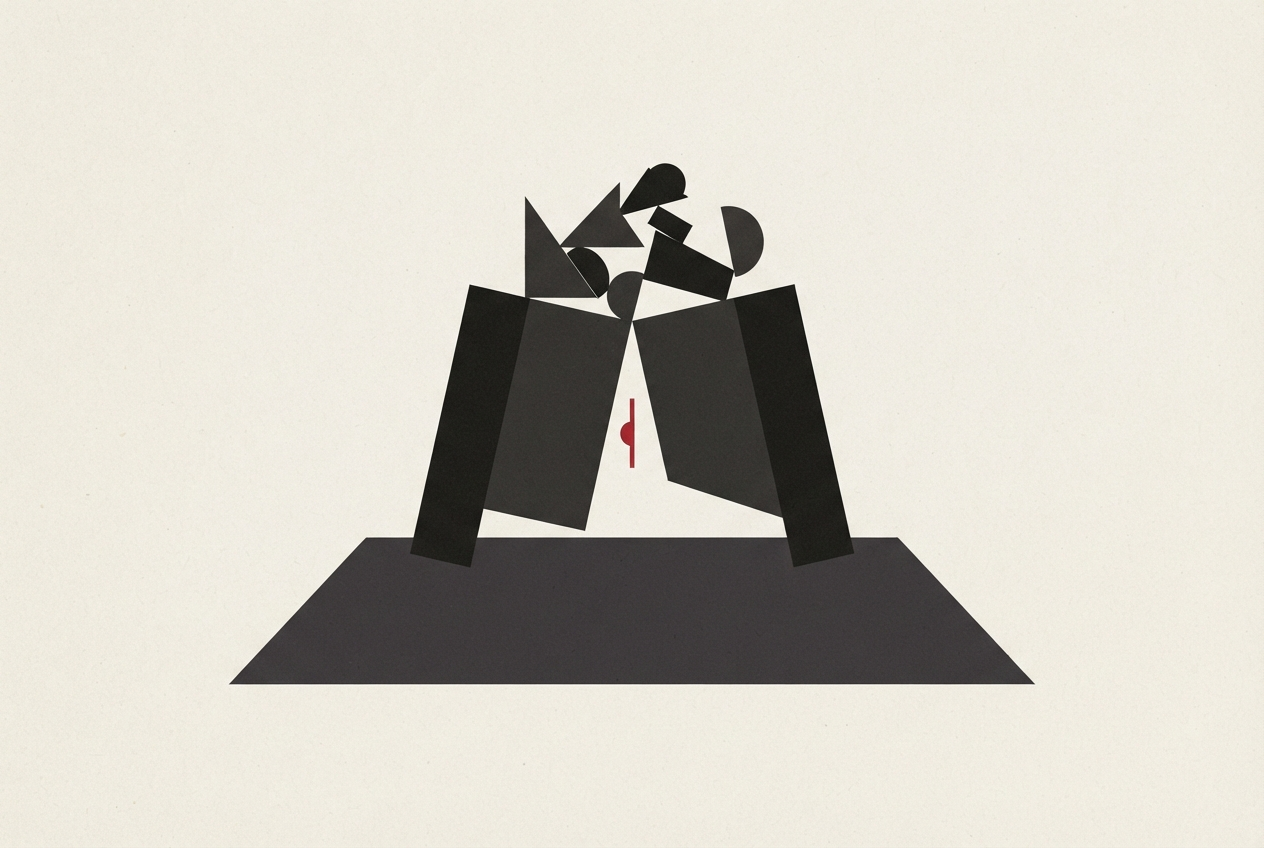
Negotiations between Likud and Yashar leaders Netanyahu and Eisenkot took place on Sunday. While it is uncertain if this is merely political theater, both parties cannot afford to fail on stage. Neither wants to be blamed for sabotaging unity, which many seem to desire. They both want their unity talks to appear genuine.
Netanyahu and Eisenkot may not agree on several aspects, such as the next government's leader, composition, and approach to divisioned issues. However, neither wants to be perceived as obstructing unity. Netanyahu's video statement on Saturday night urged Eisenkot to enter negotiations without preconditions, but he did not specify that he must head the government. This omission suggests flexibility without compromising on concrete points.
Eisenkot dismissed Netanyahu's appeal as "another spin," but had arranged talks with Likud. Horowitz, Netanyahu's former chief of staff and now a critic, was sent to the meeting. He can close any loophole Netanyahu might try to leave, signaling his commitment to the talks.
These unity talks have two levels. On one, they could produce a broad government. On the other, they are a struggle over who will be blamed if no such government emerges. Netanyahu doesn't want to prioritize his tenure over unity, especially after losing his parliamentary majority. He needs to show he is willing to broaden the government at a time of increased security and diplomatic uncertainty.
Eisenkot cannot campaign as a responsible alternative to Netanyahu and then refuse to negotiate with the Likud. He must show his opposition is to Netanyahu's continuing rule, not to unity or the over 1.2 million Israelis who voted for Likud. The public argument for unity remains strong, with Israel facing multiple military challenges, an uncertain Iran situation, and a different Washington landscape. Unity seems necessary for each side to present it as essential while blaming the other for any failure.
Written by urgent.news from Jerusalem Post's reporting — not their text. Machine-written — may contain errors; check the original before relying on it.
Also reported by 1 other outlet
- Netanyahu opens talks with rivals in bid to cling to power thenationalnews.com