Osaka Pref. town of Tajiri maintains independence on strength of airport revenue
TAJIRI, Osaka -- The neighboring cities of Izumisano and Sennan in southern Osaka Prefecture announced in October that they would begin discussions on
Tajiri, a town in southern Osaka Prefecture, has chosen to remain separate from neighboring municipalities despite a previous consideration of merging. The reason for this decision lies in the town's strong financial position, which is primarily driven by the revenue generated from Kansai International Airport. In 2004, Tajiri participated in Japan's municipal mergers known as the "great mergers of the Heisei era," but following a local referendum, 444 residents voted in favor while 3,583 opposed the proposal.
The town's financial strength is evident through its high fiscal capability index of 1.29, the highest among Osaka Prefecture's 43 municipalities. This indicates that Tajiri can fund its public services independently without relying on national subsidies. The town's substantial revenue is attributed to its location within the Kansai International Airport, which serves around 34 million passengers annually.
Approximately 80% of Tajiri's tax revenue comes from airport-related sources, including fixed asset taxes, corporate resident taxes, and taxes on tobacco sold within the airport.
Over the past 32 years, Tajiri has not received local allocation tax grants, showcasing its ability to sustain itself without such financial support. The town's town tax revenue has grown significantly, from 700 million yen in fiscal 1991 to 4.2 billion yen in fiscal 2025. A large portion of this revenue is derived from airport-related taxes, allowing the municipality to provide generous public services.
These include free school lunches, student loan repayment subsidies, annual grants for university students, rice deliveries for families with children and pregnant women, and premium shopping vouchers.
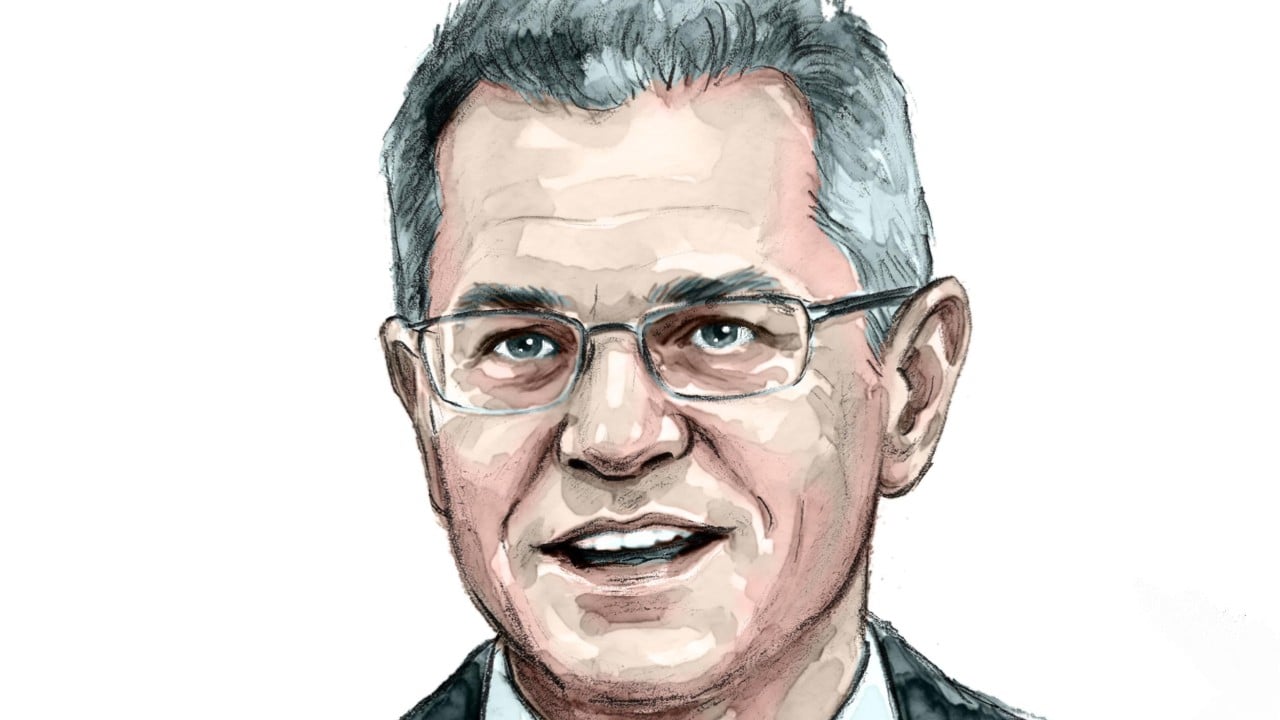
Mayor Kazuo Yamamoto stated that Tajiri sees no immediate need to join a merger discussion due to the town's thriving financial situation. However, the town faces challenges such as a declining birth rate, an aging population, and the deteriorating state of public facilities. Yamamoto emphasized the importance of careful study and potential broader regional cooperation to ensure the town's long-term sustainability and provision of services for the next 50 or even 100 years.
Written by urgent.news from The Mainichi's reporting — not their text. Machine-written — may contain errors; check the original before relying on it.