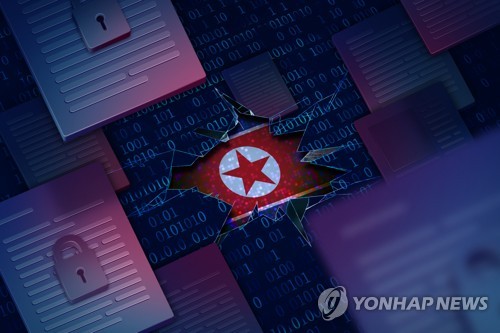
N. Korea-linked hackers target 30 S. Korean servers: report
Hackers suspected of having ties to North Korea's Lazarus Group identified 30 servers in South Korea as potential targets for cyberattacks in October, a report released by a cybersecurity firm showed Sunday. Cyfirma said it obtained a list of 216 servers across 10 countries compiled by Korean-speaking hackers, covering government agencies, banks, telecommunications companies and infrastructure…
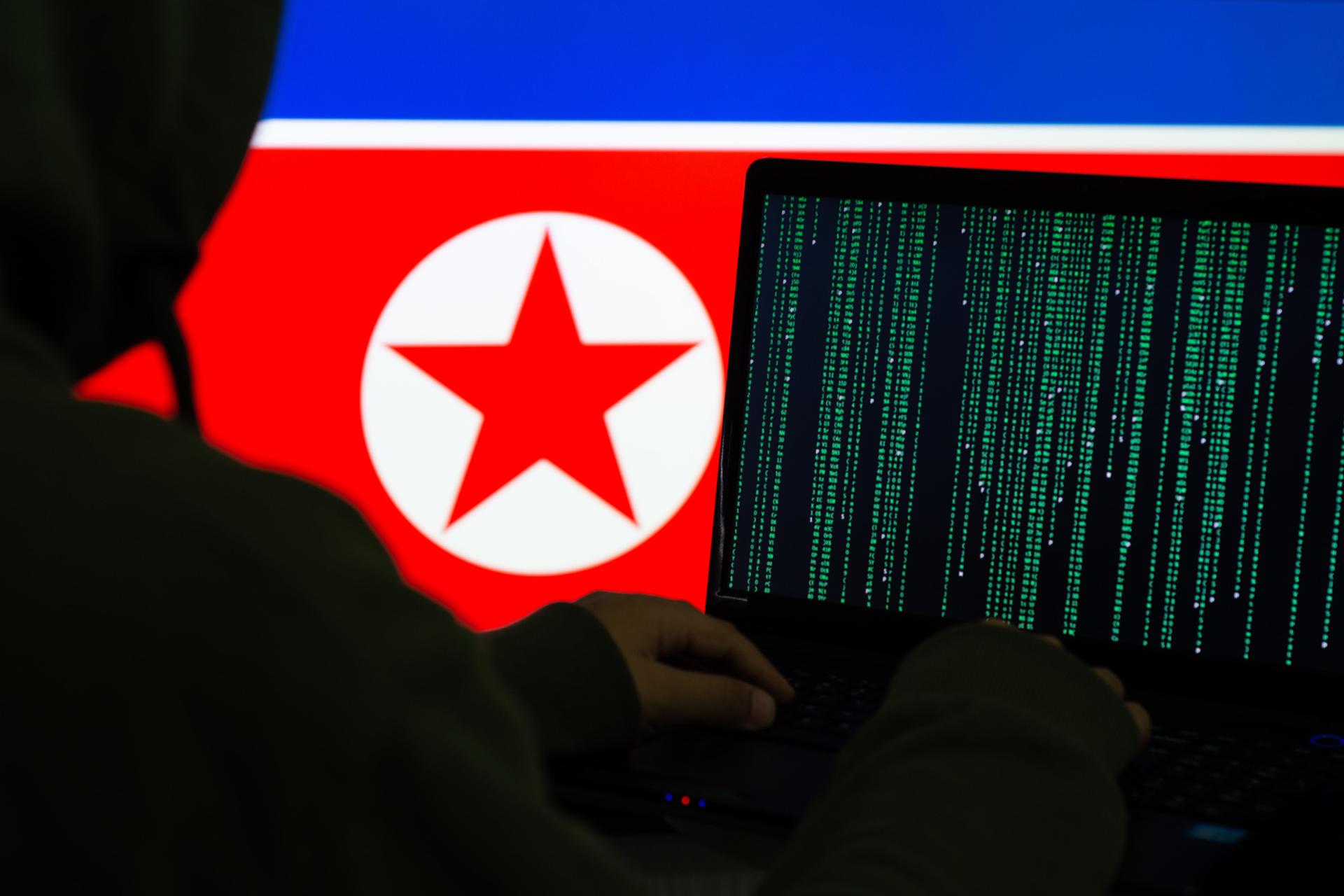
Cybersecurity firm Cyfirma has identified 30 servers in South Korea as potential targets for cyberattacks by hackers suspected to be linked to North Korea's Lazarus Group. The list of 216 servers, compiled by Korean-speaking hackers, covers government agencies, banks, telecommunications companies, and infrastructure providers across 10 countries.
The Asia-Pacific region accounted for the majority of the targeted servers, with the United States and Japan together comprising 44.4% of the total. Cyfirma stated that the inclusion on the target list does not necessarily indicate a successful breach, but emphasized the need for updating web security measures.
Brief written by urgent.news from The Korea Times's own syndicated text. Machine-written — may contain errors; check the original before relying on it.
This story
This is one outlet's version. Read the fullest account.
- N. Korea-linked hackers target 30 S. Korean servers: report en.yna.co.kr
- N. Korea-linked hackers target 30 S. Korean servers: report koreatimes.co.kr