Modified Ender 3 becomes a $450 bioprinter for 3D printing engineered living materials
Microbiologists at the University of Rochester have modified an Ender 3 FDM printer into a 3D bioprinter for $450 and outperforming 3D bioprinters costing more than $100,000.
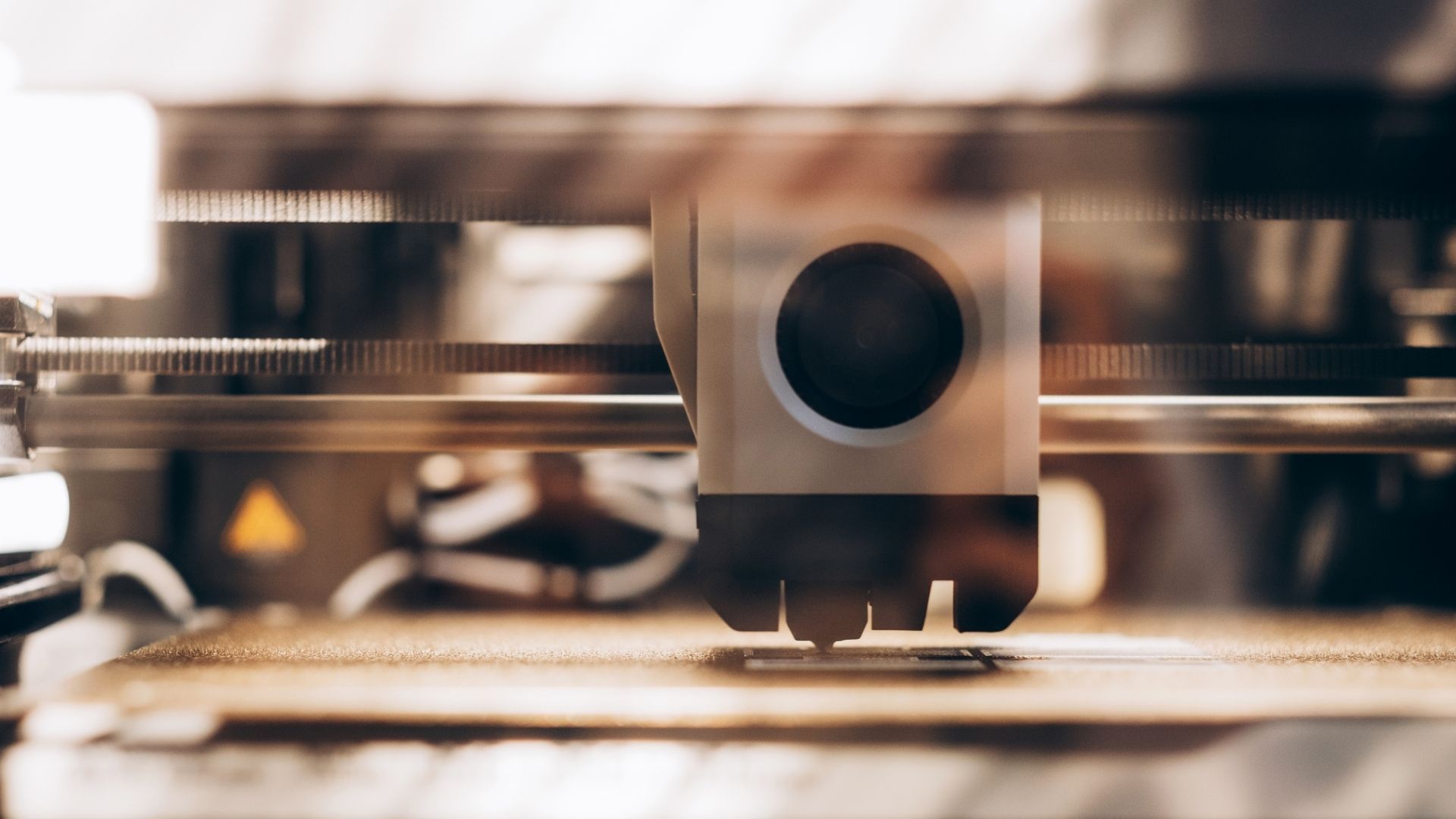
Microbiologists at the University of Rochester have repurposed an Ender 3 FDM 3D printer into a 3D bioprinter capable of creating engineered living materials (ELM) at a fraction of the cost. The researchers utilized SolidWorks to design the 3D model and Slic3r to slice the file, employing a modified print head with a custom syringe pump.
The $450 bioprinter makes ELM research more affordable, as commercial bioprinters typically cost over $100,000. The study, published in ACS Applied Polymer Materials, highlights how synthetic biology and 3D bioprinting have accelerated ELM research, despite hardware costs and limitations in maintaining structure. The researchers built an open-source, affordable 3D bioprinter from an Ender 3, replacing the print head with a syringe pump made from custom PETG components designed to work with a 10 mL glass Luer-lock syringe.
The workflow mirrors traditional 3D printing, with CAD design in SolidWorks, STL export, and slicing in Slic3r. Print settings were adjusted to accommodate a 0.254mm needle, with the extrusion multiplier set to 0.004 for a flow rate of 2 mL/h at a print speed of 23 mm/s. Instead of filament, the team created a bio-ink from bacteria and alginate, printing it with two types of support material: Agarose for long-term viability and gelatin for extractable prints.
Calcium ions in the support slurries enable alginate strands to cross-link, forming a solid structure that encases the living bacteria. While the paper focuses on bacteria, ELMs can be created from various microbes for applications like biofilms for antimicrobial treatments, plastic degradation, wastewater treatment, or bacterial cellulose as a biodegradable plastic alternative.
The researchers' efforts to democratize ELM research could lead to faster advancements, with potential applications in numerous fields, possibly including bacteria-based bioplastic 3D printing filaments for FDM printers.
Written by urgent.news from Tom's Hardware's reporting — not their text. Machine-written — may contain errors; check the original before relying on it.