Milei government wants to fast-track US trade deal before year-end
Milei administration eager to submit the agreement to Congress before the end of the year, but Washington is scrutinising product traceability and Chinese involvement in supply chains. Steel and aluminium tariffs remain a key concern for local industry leaders. Leer más
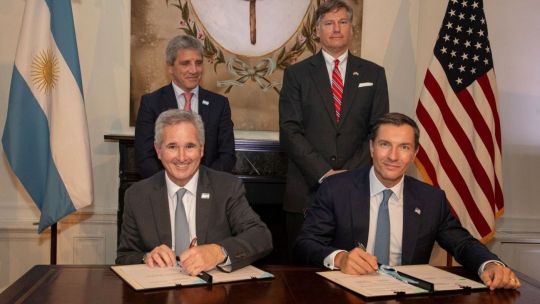
President Javier Milei's administration in Argentina is pushing to have its proposed trade agreement with the United States approved by Congress before the end of the year. A major point of contention is the treatment of tariffs on steel and aluminum, which were initially excluded from the agreement and currently face a 50 percent tariff. Negotiations to include these tariffs will only proceed if they align with Milei's government's stance on China and the level of industrial protection Argentina is willing to maintain.
The main objective for Argentina's domestic steelmakers is to gain access to the US market at a tariff rate below the global standard set by the Trump administration. The exact figure remains uncertain, but it must be low enough to enable competition with some level of protection. Currently, the government remains ambiguous about the initiative, as the trade deal is still in the drafting stage.
Following the signing of agreements to avoid potential legal complications from the Supreme Court blocking Trump's tariffs, the administration is keen to avoid further political setbacks. However, the US is closely scrutinizing trade triangulation, especially concerning the financing of strategic resources like minerals and energy. This scrutiny extends beyond whether a product is "made in China" to whether Beijing played a role in its production.
At the Alacero Summit 2026, Argentine companies are emphasizing the need for measures that prevent third-country steel from being reprocessed in an intermediate country. The report from this summit outlines a structural issue: while other nations tighten controls to prevent the relocation of China's productive capacity, Argentina is dismantling its customs safeguards, effectively becoming a gateway for trade triangulation.
Milei's government has allowed several anti-dumping measures to expire, including a 28 percent ad valorem duty on aluminum imports since 2020, despite requests to extend the protection. The government has also suspended a measure from 2015 that imposed a minimum foreign origin price on steel fittings. The industry report highlights how Chinese steel exports to Latin America grew by 90.6 percent between 2020 and 2024, driven by China's increase in steel subsidies from $8 billion to $16 billion.
Argentina's approach to trade protection contrasts with that of Mexico, which has set domestic-content requirements at 65 percent in public tenders and strengthened customs controls. Brazil has also implemented commercial defense measures, including a 25 percent duty on imports exceeding historical thresholds. These actions align with the US's "Build America, Buy America" principles. Argentina, on the other hand, has taken a more liberal stance by lowering tariffs to keep costs down in the short term.
Written by urgent.news from Buenos Aires Times's reporting — not their text. Machine-written — may contain errors; check the original before relying on it.