Legal but not available: Who decides what healthcare is on the table?
IVF, abortion and voluntary assisted dying services are all legal. But when a Catholic provider takes over a hospital and drops services the church opposes, the community is left without.
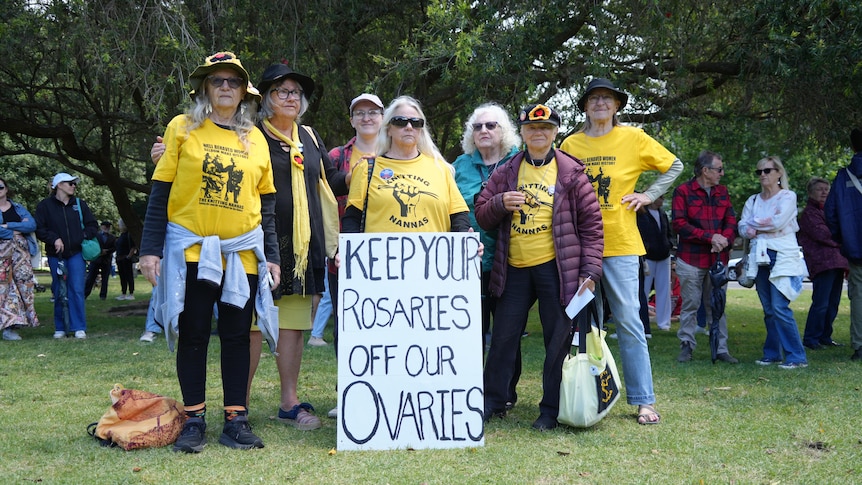
Accessing IVF, abortion, voluntary assisted dying (VAD), gender-affirming care, contraception, vasectomies, and tubal ligation can be challenging and convoluted, especially in rural and regional areas. These challenges are exacerbated by specialist shortages, extended wait times, geographical distances, and conscientious objections.
Calvary, a Catholic not-for-profit organization, recently decided to discontinue these services at Newcastle Private Hospital in regional New South Wales, which has alarmed many healthcare professionals and the local community. This decision is part of a broader trend as Calvary, through its upcoming acquisition of 14 private hospitals from Healthscope, aims to double its private hospital network across the country.
While Calvary already operates about 6% of Australia's public and private hospitals, concerns are rising about dwindling access to legally available healthcare services. The debate is shifting from what should be lawful to who determines which care should be accessible. Calvary's decision to exclude these services came during a meeting with the incoming Calvary leadership team at Newcastle Private.
The doctors were surprised to learn that they would have to sign a document aligning with the Code of Ethical Standards for Catholic Health and Aged Care Services in Australia. The code deems abortion morally wrong and considers procedures that substitute for marital acts as not morally permissible. Calvary has acknowledged the community's concerns and uncertainty, promising to provide clear information and support alternative care pathways.
The Catholic Church maintains its long-standing teachings on the sanctity of life and medical intervention, despite shifts in public opinion on issues like IVF and abortion. Critics argue that this approach can create additional barriers to clinical care. The Royal Australia and New Zealand College of Obstetricians and Gynaecologists (RANZCOG) frames the issue as one of access, rather than ownership, emphasizing that the law permits these services and they should be available in all hospitals, irrespective of the hospital's ownership.
However, RANZCOG warns about potential concentration issues, where both local public and private hospitals owned by Catholic organizations might lack reproductive health care and voluntary assisted dying services. Newcastle already provides a glimpse of this situation, as the only public hospice within a Calvary-run hospital does not administer VAD drugs on-site, forcing patients to seek alternative care elsewhere to fulfill their wishes.
The pressure on healthcare workers to find suitable alternatives is likely to intensify if Calvary discontinues these services. One VAD doctor, who cannot be named due to contractual obligations, expresses concerns about lengthy waits and potential delays in providing end-of-life care, which could compromise patients' ability to provide informed consent.
Calvary's decision to cease services at Newcastle Private and Hunter Valley Private would leave patients relying on workarounds, potentially resulting in increased administrative burdens, delays, and frustration. While the Catholic Church's teachings remain steadfast, the concerns raised by clinicians and the medical community highlight the potential implications of such decisions on access to essential healthcare services.
Written by urgent.news from ABC News AU's reporting — not their text. Machine-written — may contain errors; check the original before relying on it.