Kashmir film fraternity trains guns on Bollywood’s ‘AK-47 & skullcap’ stereotype
Kashmiri filmmakers are advocating for a shift towards regional cinema to enhance authentic storytelling and representation. They argue that Bollywood often reinforces stereotypes that misrepresent life in J&K. The current film policy is criticized for not adequately supporting local productions while favoring external filmmakers. Actors and directors are calling for collaboration among regional…
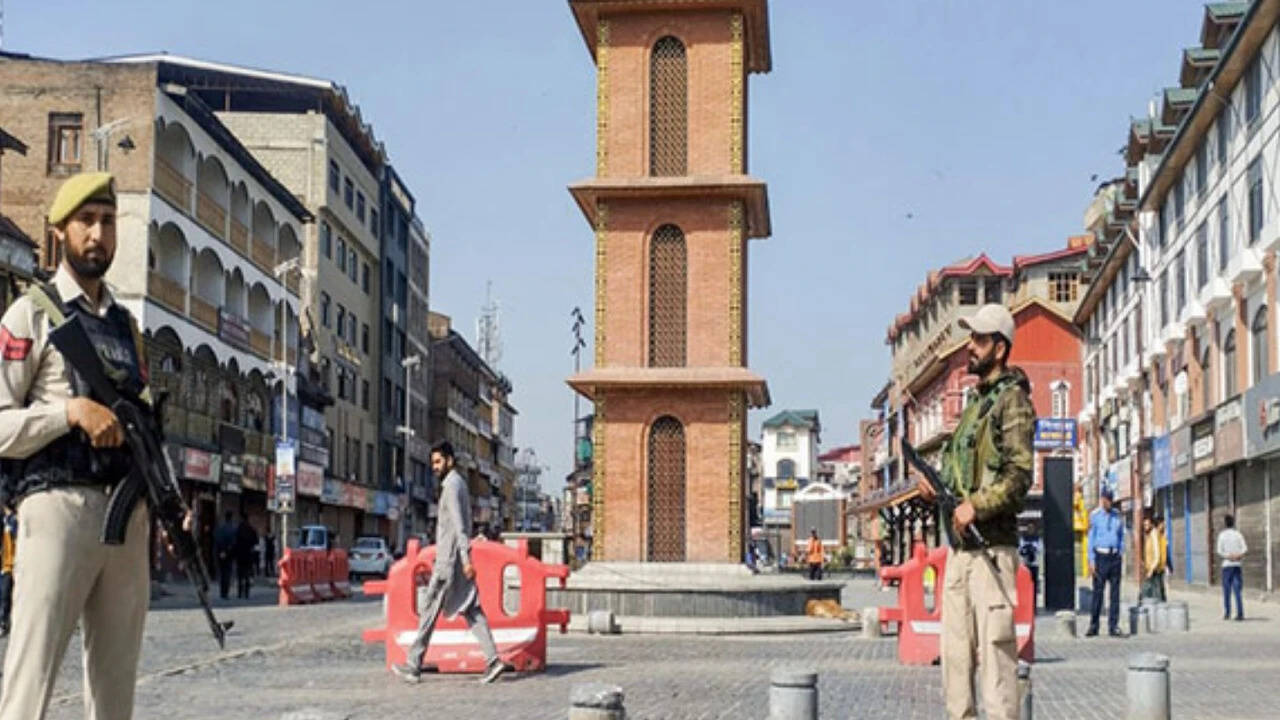
SRINAGAR: Kashmiri movie industry members have criticized Bollywood's cliched portrayals of Jammu and Kashmir as "picturesque landscapes, skullcaps rarely donned by locals, and AK-47s hidden beneath pherans and long beards," while advocating for the growth of homegrown film production. Speakers at a seminar organized by the Kashmir Music Club highlighted these grievances, urging the development of more compelling narratives.Speaking at the event, actor Umar Imtiyaz ridiculed Bollywood for persistently showcasing "skullcaps, long beards, and AK-47s hidden within pherans" in its films.
He emphasized the urgent need to challenge such stereotypes.In a similar vein, filmmaker Ayash Arif called for a shift towards regional cinema that integrates local concerns with a global perspective. He criticized the J&K government's film policy, arguing that it serves more as a promotional tool for tourism, attracting filmmakers from other regions due to the region's scenic beauty.
According to Arif, what's needed is a strategy to boost local productions.The 2022 policy includes several initiatives, such as a centralized platform for obtaining shooting permissions and financial assistance. Notably, the policy draws inspiration from the golden era of the 1960s, during which films like "Kashmir Ki Kali," "Jab Jab Phool Khile," "Himalay Ki God Mein," and "Janwar" were filmed in Srinagar and Gulmarg, along with a few international productions like "The Razor's Edge" in the 1980s.However, many perceived the policy as inadequate in addressing the needs of local filmmakers.
Ayif lamented that while the policy offers substantial benefits for filmmakers from outside, it falls short of supporting homegrown talent. Director Kapil Matoo, whose recent film "Tasrufdar: Djinns of Kashmir" received critical acclaim, encouraged local filmmakers to discard feelings of victimhood and acknowledge their own potential.
"We must establish our own industry and produce films reflecting the diverse stories of our region," Matoo asserted. Director Mir Sarwar urged fellow artists to support one another instead of relying on limited opportunities provided by Doordarshan Srinagar and the J&K Academy of Art. "We must collaborate with each other rather than await roles from filmmakers who hail from outside," Sarwar emphasized.
Cinematographer Shafqat Habib stressed the importance of Kashmiri filmmakers forging a unique identity.
Written by urgent.news from Times of India's reporting — not their text. Machine-written — may contain errors; check the original before relying on it.