'It would make me think twice about applying': Workers are pushing back at companies who insist on AI interviews
Half of Brits have had a job interview with an AI avatar – many feel uncomfortable, some say they'd even scrap the job application altogether.
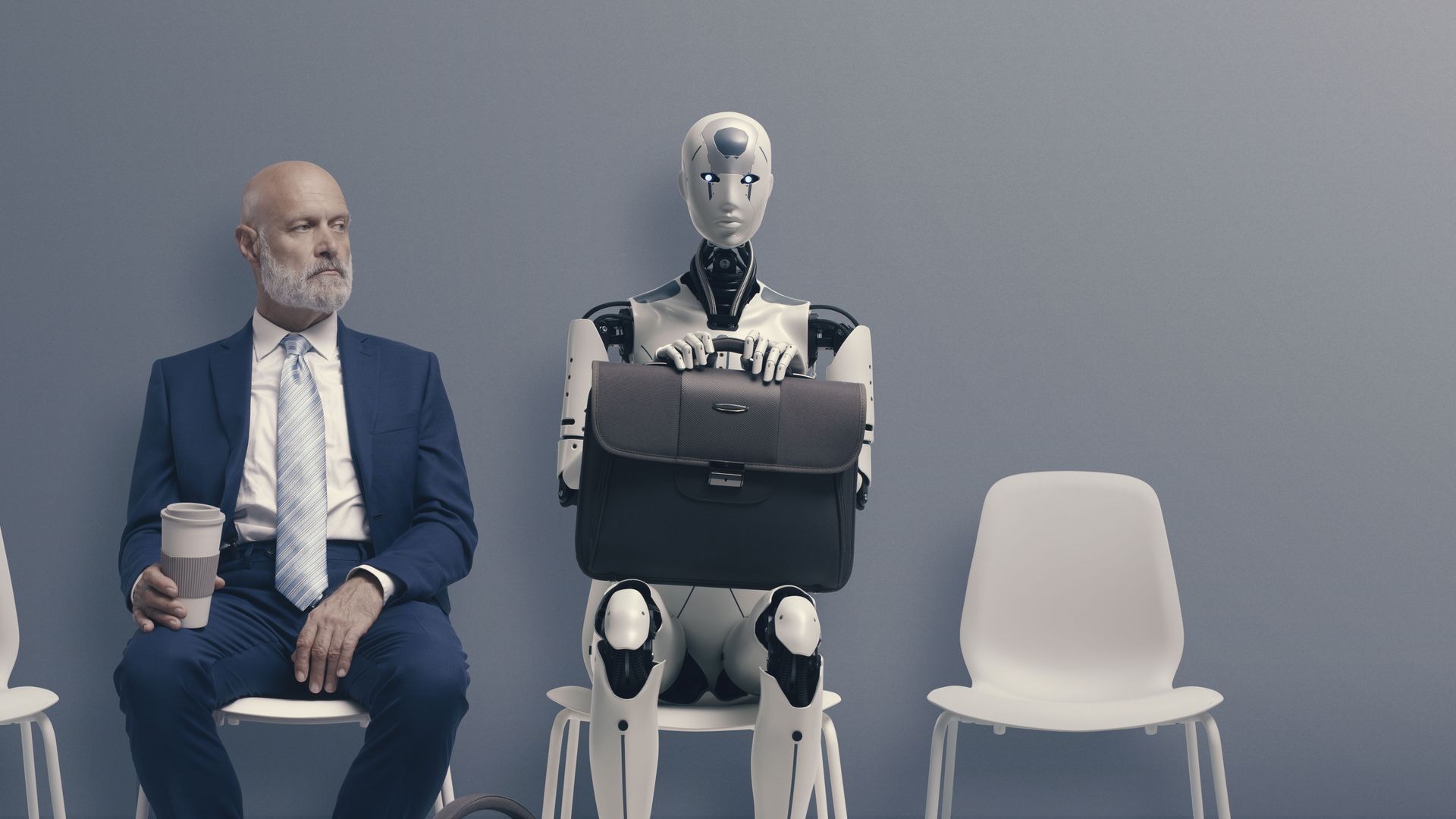
Recent research indicates that half of British job seekers have already experienced AI-interviews, while only an 11% of UK workers would likely or definitely drop a job application if it involved AI assistance. Despite the discomfort, 47% of UK job seekers have already undergone AI interviews, according to Greenhouse study. However, the reality is starkly different as many of these workers feel uneasy about the process.
Around one-third (33%) of workers would continue with the interview but feel uncomfortable, while a quarter (25%) would only proceed if the role or salary were right - 11% would entirely withdraw. Even among those 11%, only 5.5% would definitely withdraw, with the remaining 5.7% considering it. This suggests that recruiters may be losing access to essential human talent if they rely on AI avatars for interviews.
The Greenhouse study claims that 30% of UK candidates abandon the hiring process because of an AI interview, stressing that 82% weren't even informed that they'd be answering questions with an AI avatar.
Older generations are more likely to withdraw, highlighting the challenges older workers may face when seeking a job change. Amanda Augustine, a resident careers expert, emphasized that interviews act as a crucial first point of contact for many workers and can significantly impact their perception of the employer. One worker cited in the study described his AI interview as "surreal, strange, and impersonal" and noted that the whole experience felt like a one-way process.
Augustine concluded that AI best suits helping recruiters with administrative tasks, such as sorting through applications and narrowing the pool, allowing human conversations to take place for both sides to decide if the role is the right fit.
Written by urgent.news from TechRadar's reporting — not their text. Machine-written — may contain errors; check the original before relying on it.