Ireland’s AI data center boom faces legal challenge over power demand
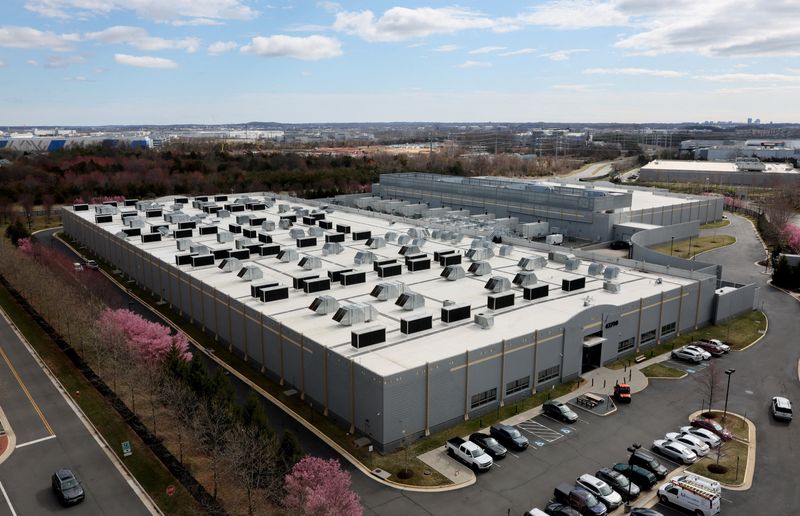
Ireland's rapid expansion of artificial intelligence data centers has sparked a legal challenge that could have significant implications for European technology investment and climate commitments. Environmental groups, including ClientEarth, Friends of the Irish Environment, and Friends of the Earth Ireland, are contesting new electricity grid connection rules introduced by Ireland's Commission for Regulation of Utilities (CRU).
The groups contend that the rules risk increasing the nation's reliance on fossil fuels and undermining legally binding emissions targets.
Ireland currently hosts around 89 AI data centers, which accounted for 23% of electricity consumption in 2025 - up from just 5% a decade ago. This surge in demand now surpasses the electricity usage of all urban households in the country, placing substantial strain on the national grid. To accommodate new facilities, the regulator previously imposed stringent connection requirements in 2021, effectively barring most new data centers from accessing the grid.
The revised rules introduced in December require new data centers to install generation or battery systems capable of meeting their entire electricity demand and providing power to the grid when necessary. However, facilities are permitted to utilize non-renewable electricity for six years before being mandated to source 80% of their energy from renewables, with the exception of backup generation. Environmental groups argue that this framework could trap Ireland in higher emissions for decades.
Ireland has pledged to cut its emissions by 42% by 2030 compared to 2005 levels, yet current projections suggest only a 13% reduction. Gas-fired generation accounted for 47% of the country's electricity in 2025. The dispute coincides with technology companies reconsidering investments due to grid constraints and growing public opposition. In April, TikTok scrapped plans for an additional Irish data center and redirected its investment to other European data storage projects.
Research from BloombergNEF suggests that development is increasingly moving towards Nordic and southern European markets, where electricity availability presents more promising opportunities. The legal challenge could set a precedent for future disputes over data center policies across the European Union.
Written by urgent.news from Investing.com's reporting — not their text. Machine-written — may contain errors; check the original before relying on it.