Iran faces winter energy crisis as gas and gasoline shortages worsen
Iran's energy ministry warns of worsening gas shortages and diesel fuel supply issues for power plants this winter, raising fears of a broader energy crisis.
Iran's Ministry of Energy has issued a warning of escalating gas shortages and fuel challenges for power plants this winter, sparking fears of an expanding energy crisis. Deputy Energy Minister Mostafa Rajabi Mashhadi revealed that the ongoing conflict with the US and Israel has led to a loss of 130 million cubic meters of gas processing capacity daily, making it even more challenging to supply fuel to power stations compared to prior years.
The gas deficit stands at approximately 400 million cubic meters, prompting the government to encourage consumption cuts, particularly in the commercial sector, to mitigate disruptions to electricity for industries and production facilities.
Diesel fuel remains a primary fuel source for power plants in Iran, although its use will not increase compared to last year due to its high sulfur content contributing to air pollution and health risks. President Masoud Bazeshkian ordered a temporary ban on diesel fuel at three power plants in November 2024 due to these concerns.
Government officials project a winter gas supply shortfall of around 430 million cubic meters per day, with some areas like Tehran potentially facing gas cuts if consumption continues unabated. Eleven out of Iran's 31 provinces, mainly in the north, may encounter difficulties securing gas supplies. Four gas processing centers were damaged during the conflict with the US and Israel, initially reducing capacity by 230 million cubic meters per day, but about 100 million cubic meters were restored later.
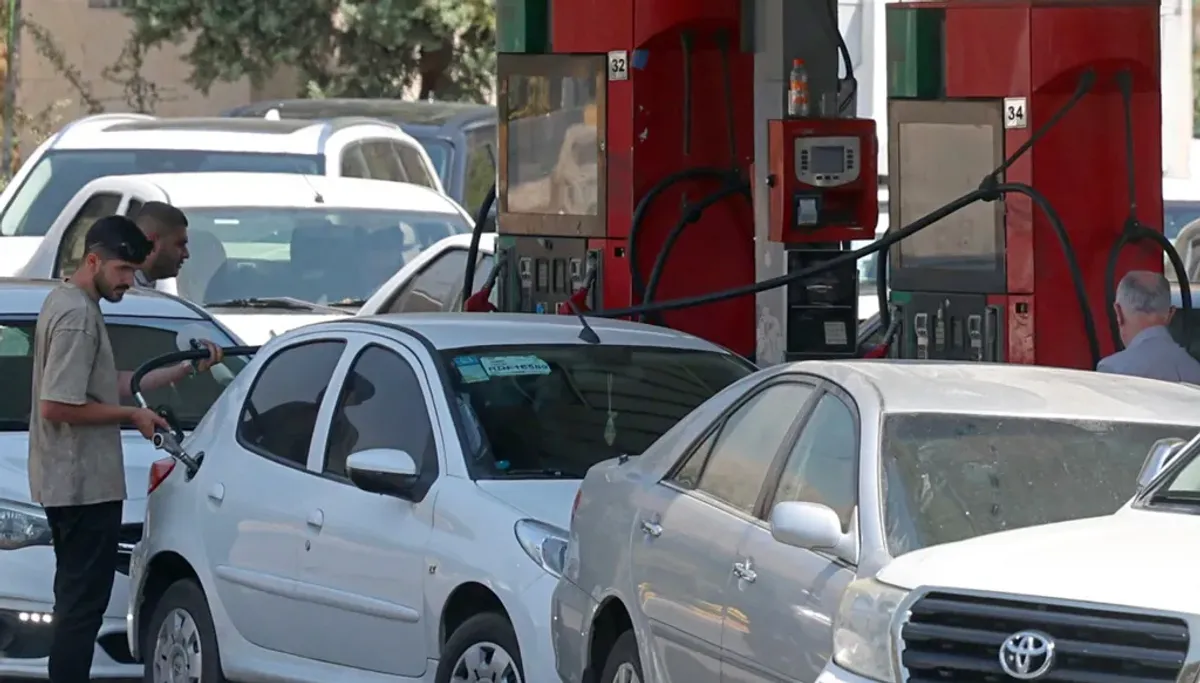
The gasoline situation has also become contentious, with Vice President Ismail Saqeb Esfahani stating that the government cannot distribute gasoline at previous levels and urging citizens to conserve their gasoline quotas for travel. This advice has drawn criticism for its practicality, especially for those who rely on cars daily. Protest videos surfaced in Bandar Abbas, showing long gas station queues and citizens seeking explanations.
The Mizan news agency criticized the call for gasoline storage, deeming it impractical for daily commuters. The regime has initiated a program to distribute free fuel cards in 11 provinces, with broader rollout to other regions, but concerns exist that without proper alternatives, this could exacerbate gasoline distribution challenges and stimulate smuggling and black market activities.
First Vice President Mohammad Reza Aref called for restraint from government officials on fuel and petroleum product decisions until finalized, highlighting the confusion surrounding energy policies as Iran confronts simultaneous pressures on gas, electricity, and gasoline supplies heading into winter.
Written by urgent.news from Ajel English's reporting — not their text. Machine-written — may contain errors; check the original before relying on it.
This story
This is one outlet's version. Read the fullest account.