Inside the 2026 El Niño: Why extreme weather is spiking global heat and grocery bills
An exceptionally strong El Niño is driving global weather extremes — from floods in Peru to droughts in Asia — pushing 2026 toward becoming the second-hottest year on record while threatening global food security and prices.
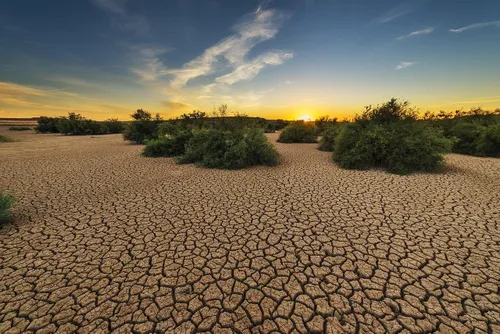
An exceptionally strong El Nino weather pattern is driving extreme global heat and grocery price hikes, experts warn. The European Centre for Medium-Range Weather Forecasts and Copernicus monitor report that the world is on track for 2026 to be the second-hottest year on record, with the El Nino phenomenon further amplifying human-driven global warming.
October's record-breaking global and ocean temperatures, as noted by Samantha Burgess, the strategic lead for climate at the European Centre, are a result of El Nino's temporary heat-raising effect in the tropical Pacific. Peru and Bolivia have declared states of emergency due to imminent flooding risks from El Nino-linked downpours, affecting nearly a third of Peru's population and parts of Asia experiencing drought conditions.
The Philippines has set aside $980 million for an El Nino response plan, impacting agriculture which accounts for 8% of the country's GDP and employs one in four Filipinos. The disruptions, a result of El Nino and the Iran war, are pushing up food prices, posing a threat to vulnerable households' food security and potentially increasing malnutrition rates.
Written by urgent.news from IOL's reporting — not their text. Machine-written — may contain errors; check the original before relying on it.