India’s commodity supply chains: Why market intelligence must translate into smarter logistics
The businesses that do better will be the ones that close the gap between what the market tells them and what their logistics does about it, before ships arrive and the queues build
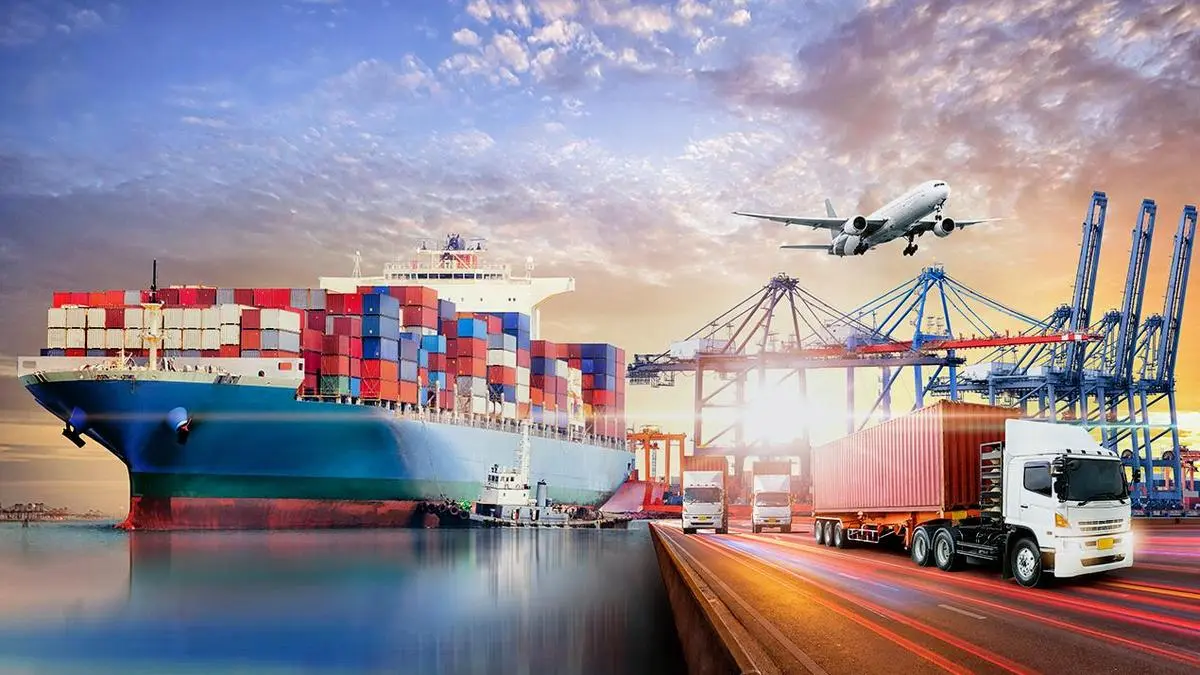
India recorded its highest goods movement in September 2026, with over 141 million e-way bills registered, marking the first time the figure exceeded 140 million. The vast majority of this movement involved essential commodities such as edible oil, grain, coal, and fertiliser, which are putting a strain on India's supply chains.
These supply chains rarely fail due to a lack of goods, but they do break when buying decisions react to market fluctuations within days, while logistics plans take weeks to adapt. Market intelligence, encompassing information on prices, futures, import bookings, policy changes, festive forecasts, and vessel schedules, typically resides with procurement or trading teams.
Logistics decisions, however, are often made by logistics teams who learn about significant purchases only when ships arrive. Understanding the buying process begins with the way commodities are purchased. Retailers order based on expected sales, while commodity buyers watch daily price fluctuations. When prices drop, buyers rush to secure the lower rate, leading to cargo arriving faster than usual.
This became evident at Kandla port in September. During the summer, oil for quick delivery was cheaper than oil booked for later months. Refiners, anticipating robust festive sales, purchased heavily for August and September, resulting in an 11-month-high import of about 1.54 million tonnes in August. Demand then slowed more than anticipated.
Oil shipments to Kandla arrived faster than they departed, filling storage tanks, and by early September, nine ships carrying over 3 lakh tonnes were awaiting at the port, some for up to 10 days. However, the planning for storage, trucks, and rail remained unchanged from previous seasons. Improved planning could have alleviated the situation by spreading out arrivals, sending some ships to other ports, or booking storage elsewhere before the congestion built.
While the costs of waiting ships and demurrage are visible immediately, the larger expense arises later and is often overlooked. The real problem lies in the disconnect between buying and logistics decisions. To bridge this gap, three steps must be taken. First, align procurement and logistics numbers, so a large order alerts logistics teams early.
Second, focus on capacity planning rather than just demand forecasting: check port, storage, and road availability before a major shipment arrives, and consider what happens if twice as much arrives at once. Third, share information early with ports, transporters, and warehouse partners, as each sees only a fragment of the overall picture.
Implementing these steps across thousands of shipments daily is beyond traditional methods relying on spreadsheets and phone calls, making AI indispensable. AI can integrate data on prices, bookings, vessel movements, and capacity, flagging cargo likely to face issues and suggesting alternatives like alternative ports, delayed arrivals, or different warehouses.
This transition from a system of record, which merely records what happened, to a system of action, which aids decision-making, is crucial. India will continue investing in ports, tanks, and rail infrastructure, and this is necessary. However, the commodities markets change at a pace faster than new capacity can be built. Businesses that will thrive are those that effectively close the gap between market signals and logistics responses before ships arrive and queues form.
Written by urgent.news from Hindu BusinessLine's reporting — not their text. Machine-written — may contain errors; check the original before relying on it.