Here's what actually happens if your laptop battery is completely drained
While letting your laptop run out of battery may seem harmless, it might be doing more long-term damage to your device than you ever expected.
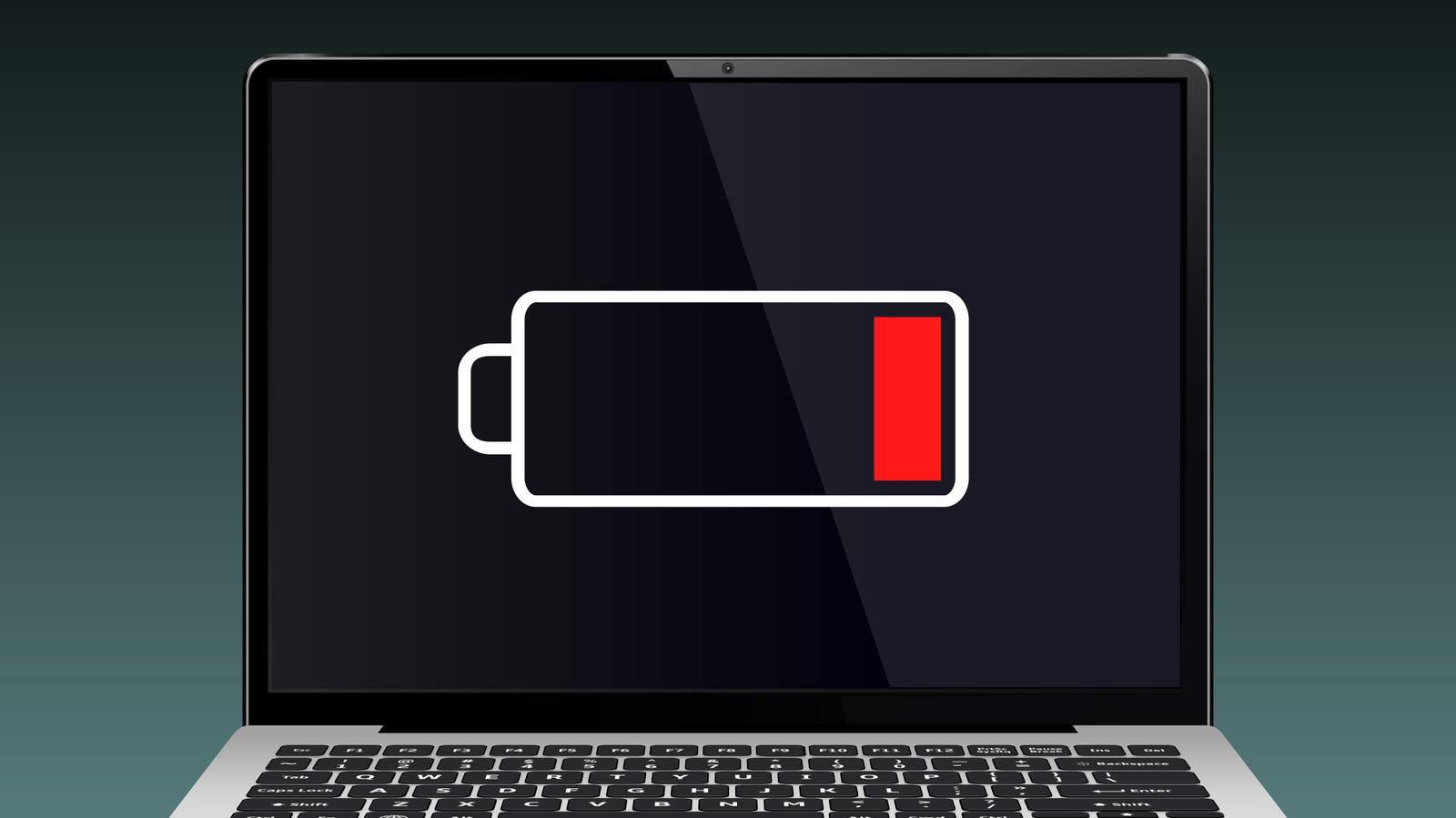
Lithium-ion batteries, commonly found in laptops, are generally easy to maintain and recharge quickly. However, repeatedly letting your battery run completely down can lead to negative consequences. Keeping the charge between 20% and 80% is ideal for prolonging your laptop's battery life. Repeatedly draining the battery to 0% can cause wear and reduce its ability to hold a charge.
Some operating systems like Windows may even shut down the laptop before the battery hits 0% to prevent damage. Factors such as high temperatures, background apps, and energy-intensive tasks can also contribute to faster battery drain. Even older software and connected devices can play a role. If you're noticing your battery depleting rapidly, it may be worth checking for any issues or adjusting settings to conserve energy.
While a full discharge isn't typically a disaster, it's best to avoid making it a regular occurrence if you want to maximize your laptop's battery longevity.
Written by urgent.news from Engadget's reporting — not their text. Machine-written — may contain errors; check the original before relying on it.