Grim Simulation Shows What Earth Would Be Like if Life Never Existed
The Earth does just fine without us. The post Grim Simulation Shows What Earth Would Be Like if Life Never Existed appeared first on Futurism .
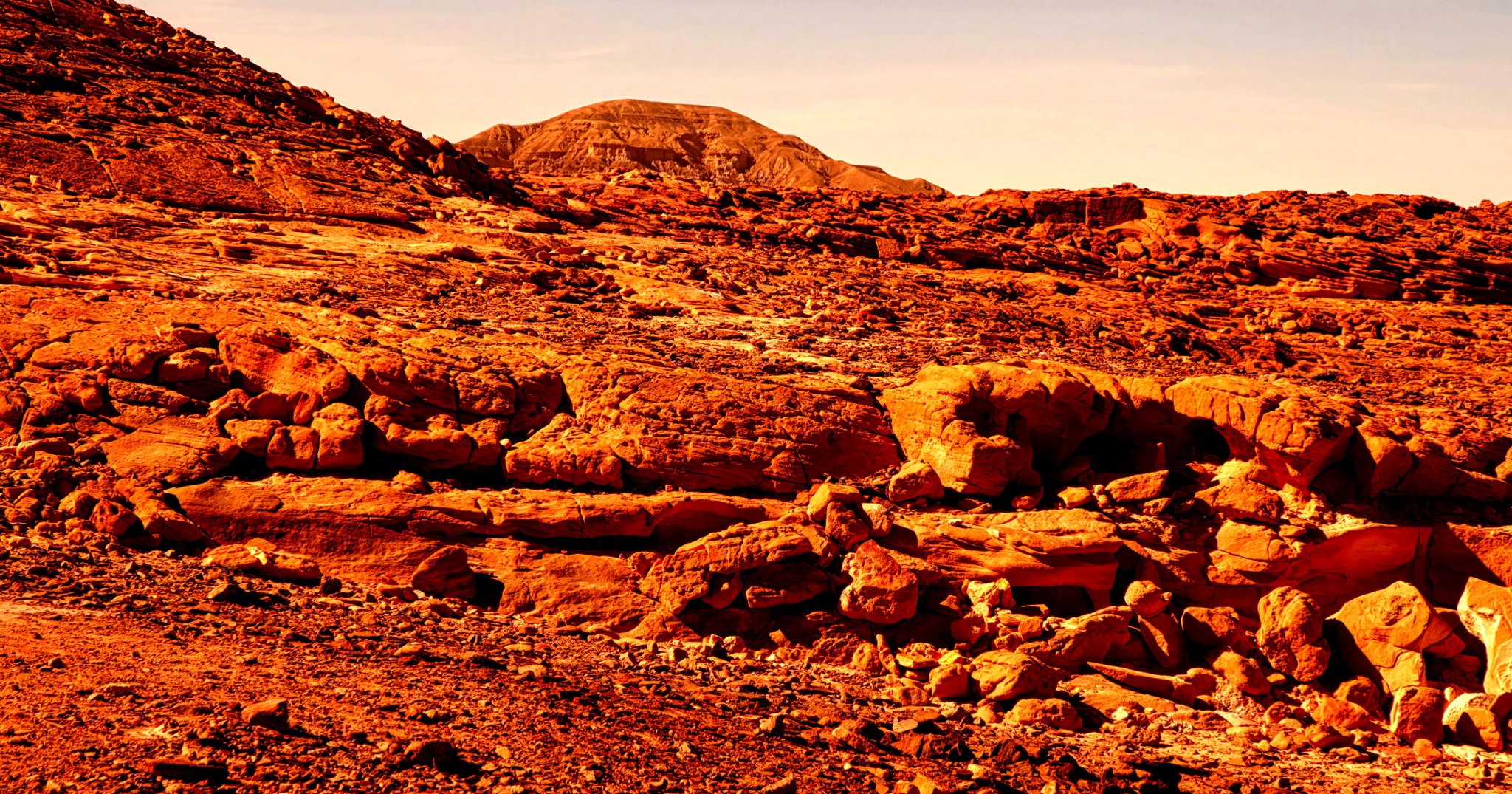
Current understanding holds that Earth is the sole inhabited planet within the cosmos. Consequently, scientific researchers embarked on an innovative study to simulate a world bereft of life to glean insights into hypothetical extraterrestrial habitability. The findings, published in The Planetary Science Journal and unveiled by ScienceAlert, aim to aid astronomers in differentiating atmospheric signatures that can be attributed to or independent of life.
"By employing this tool, we can gauge the likelihood that observed atmospheric traits on an exoplanet denote life on its surface," stated Samantha Gilbert-Janizek, a leading astronomer at UC Riverside, regarding the investigation. Crucially, the research also examines the potential ramifications of our planet's habitability persisting without the influence of life.
To achieve this, the scientists constructed a computer model grounded in the planet's geochemical systems, integrating various physical factors such as the constitution of its core, the dynamics of its crusts and oceans, and the exchange of chemicals between the planet's core, surface, and atmosphere. By factoring in 19 non-biological properties of a terrestrial planet, the researchers modeled the evolution of Earth over a period of five billion years.
While lifeless Earth did not experience significant alterations and remained habitable, the most notable discrepancy was the lack of atmospheric oxygen. This oxygen deficit can be attributed to the absence of cyanobacteria, commonly referred to as blue-green algae, which contributed to the atmosphere's oxygenation through photosynthesis approximately three billion years ago.
It's worth noting that while the presence of oxygen is an ancillary factor in assessing habitability, liquid water assumes paramount importance.
Written by urgent.news from Futurism's reporting — not their text. Machine-written — may contain errors; check the original before relying on it.