From US midterms to continuing Bihar political churn — an identity question, and no easy answers
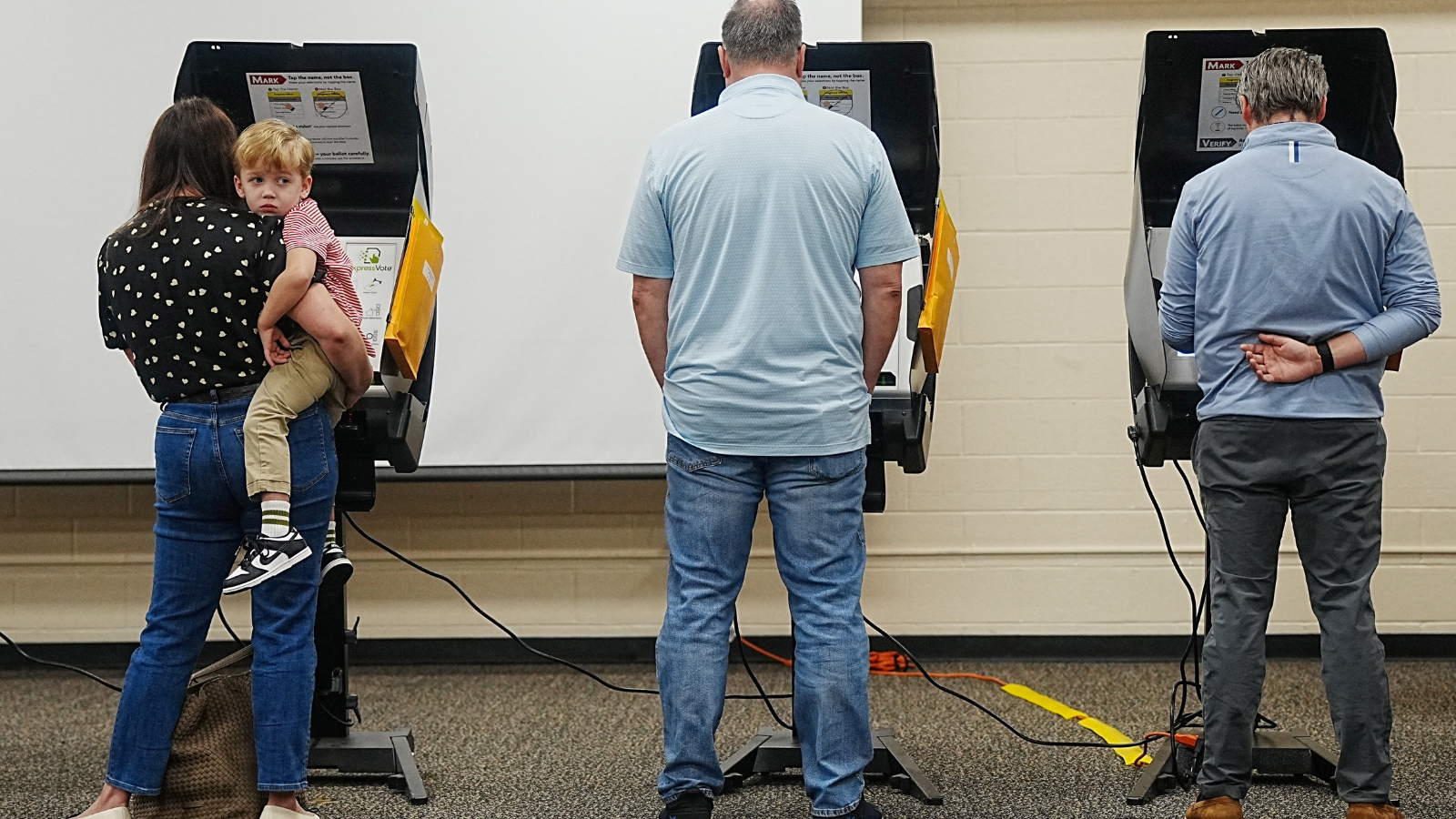
The recent United States midterms saw a diverse array of candidates win in the House and Senate, marking a notable shift in the political landscape. For the first time, the US will have a Muslim senator and a Native American one alongside other minority representatives, reflecting a growing diversity among its political leaders. This trend of electing candidates based on their ideas and values, not solely their identity, is noteworthy.
Conversely, in Bihar, India, Jan Suraaj founder Prashant Kishor raised concerns about the effectiveness of identity-based politics. Kishor, addressing a gathering of Brahmins, argued that their support for a Brahmin MLA and MP did not guarantee victory for the community. He cautioned that the BJP's divisive politics had alienated the Muslim community, who had voted for them but later felt betrayed. Kishor suggested that Brahmins, as "people of Saraswati," should prioritize education and learning.
Comparing the US and Indian contexts, the US midterms highlight the challenges of relying on identity politics. While minority candidates may appeal to various demographics, their success often hinges on their ability to articulate broad policy ideas that resonate with diverse constituencies. In India, caste-based politics are deeply ingrained, and Kishor's emphasis on transcending identities may be more applicable than in the US.
Yet, Kishor's message acknowledges the enduring role of caste in Indian politics, suggesting that progress may require moving beyond divisive identities towards a more inclusive, economically-focused vision.
Written by urgent.news from The Indian Express's reporting — not their text. Machine-written — may contain errors; check the original before relying on it.