Flight Delays and Cancellations Persist as System Recovers From Ground Stop
Operations are returning to normal after air traffic was shut down for more than 4 hours on Friday following a maintenance upgrade that crippled communications.
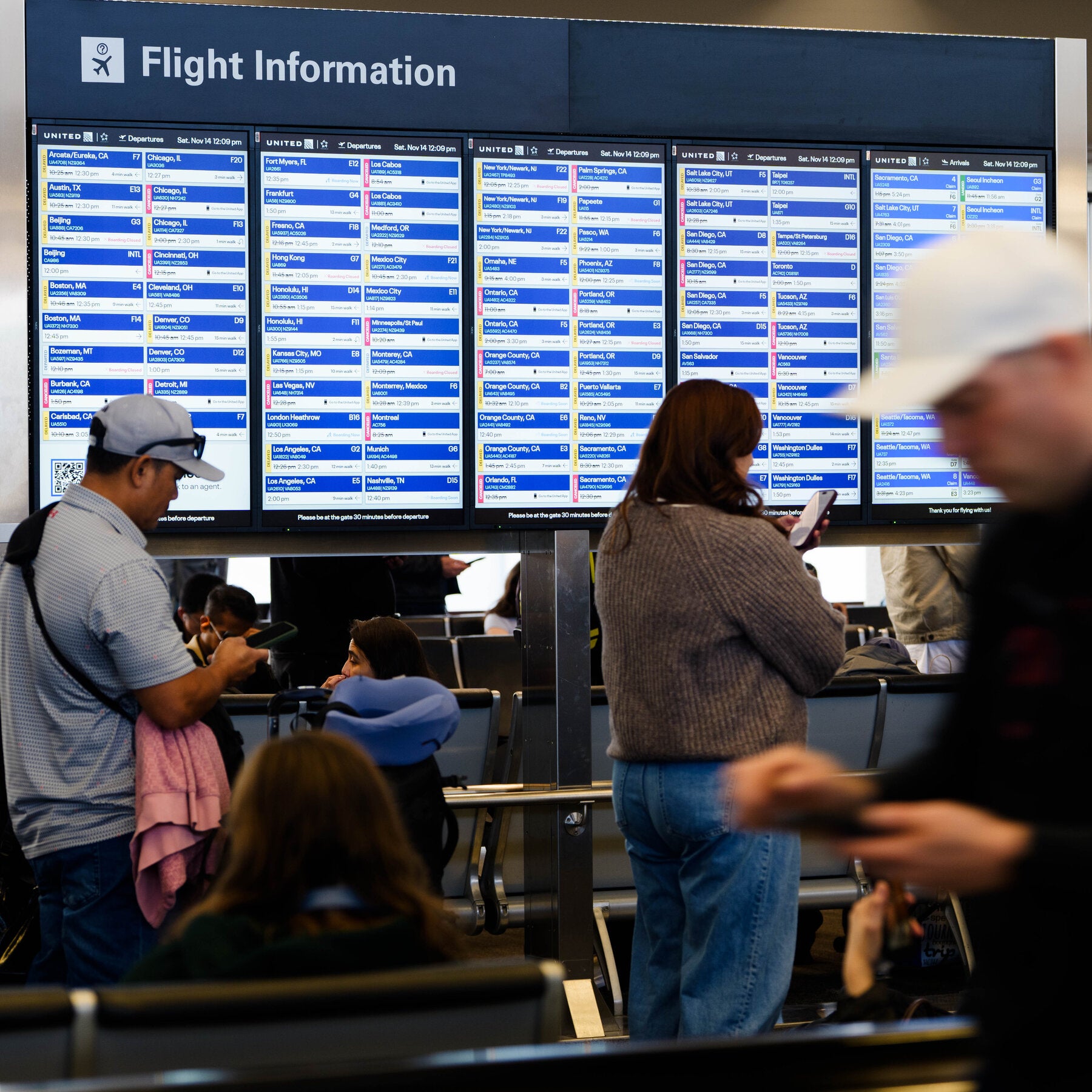
Air traffic operations in the United States saw improvements on Sunday following a nationwide grounding of flights for over four hours on Friday. However, disruptions persisted, with many flights canceled or delayed. Nearly 90% of flights took off within 14 minutes of their scheduled departure, according to aviation analytics company Cirium.
Yet, 5% of flights — over 1,300 trips — were cancelled, higher than usual. Disruptions were reported at major hubs like Hartsfield-Jackson Atlanta International Airport and Dallas Fort Worth International Airport, as well as airports in Phoenix and Philadelphia. These disruptions affected college sports games and stranded basketball teams.
Passengers slept overnight at airports, struggled to rebook, and even cancelled trips altogether. This situation highlights vulnerabilities in the American air traffic system, which suffers from a shortage of controllers and outdated infrastructure. An upgrade to the system was the root cause of the issues that triggered the shutdown on Friday.
Tens of thousands of passengers faced a travel nightmare as 9,000 flights were cancelled on Friday, with about 30% delayed. By Sunday, airlines were working to restore schedules, with an estimated 6,649 cancellations and half of all flights delayed. Transportation Secretary Sean Duffy expressed hope that schedules would return to normal by late Sunday or Monday.
The communication system failure led to the ground stop, the third in the past decade. About 3,500 planes were in the air when the grounding occurred. More than 17,000 flights have been cancelled since Friday, and 40% of the 74,696 scheduled flights have been delayed. Officials confirmed no indication of a foreign cyberattack and continued to investigate alongside the F.B.I.
Written by urgent.news from The New York Times's reporting — not their text. Machine-written — may contain errors; check the original before relying on it.