El Niño To Strengthen By 2026-End: Will Maharashtra Witness A Warmer Winter?
Mumbai: The El Nino effect, which brought in deficit rainfall this monsoon season, is expected to strengthen towards the end of 2026, raising concerns over its potential impact on Maharashtra’s winter season. It is commonly predicted as that due to the climatic conditions a warmer-than-usual winter with fewer and shorter cold spells is possible. However, it is not guaranteed as experts point out…
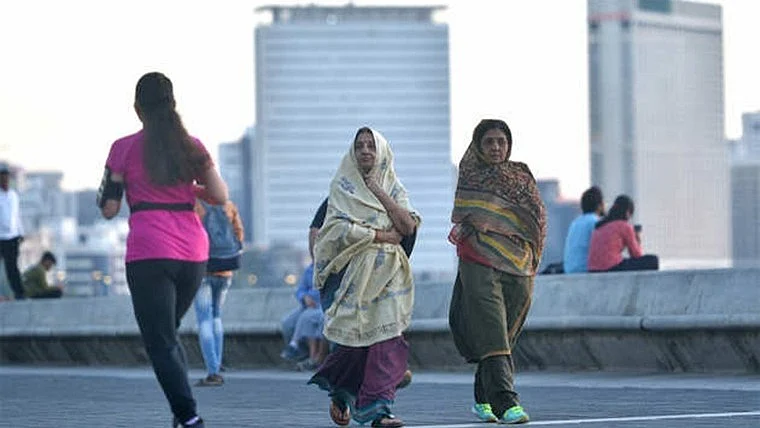
Mumbai: El Nino, the weather phenomenon responsible for below-average rainfall this past monsoon, is predicted to intensify by the end of 2026, potentially leading to a warmer than average winter in Maharashtra. However, experts caution that this outcome is not certain, as factors such as regional weather patterns, wind currents, and cold air movements from northern India play a significant role in determining winter temperatures.
In recent days, minimum temperatures in Mumbai and various regions of Maharashtra have been lower than usual, particularly in the mornings. For instance, the Santacruz observatory in Mumbai recorded a low of 19.2°C, which is 2.4°C below average. Other cities like Pune and Nashik also experienced cooler nights, with minimum temperatures ranging from 12-13°C. Baramati recorded the lowest temperature of 11.9°C in the region.
According to the Indian Meteorological Department (IMD), the skies in Mumbai and its suburbs will be hazy in the mornings and mainly clear in the afternoons and evenings. The forecast for the next 48 hours predicts maximum temperatures of around 34°C and minimum temperatures of approximately 20°C.
Experts from IMD suggest that while El Nino can influence the broader atmospheric circulation, Maharashtra's winter temperatures are primarily influenced by the region's specific wind patterns and synoptic conditions. Different areas of Maharashtra may experience varying degrees of coolness and temperature swings. For example, Pune and Madhya Maharashtra could see cooler nights and larger day-to-night temperature differences, while North Maharashtra, including Nashik, Dhule, and Jalgaon, may face sharper cold spells during northerly wind invasions.
Vidarbha's Nagpur and surrounding areas may experience significant declines in winter minimum temperatures.
However, coastal regions like Mumbai and the Konkan region are less likely to experience significant cooling due to the maritime influence, although brief cooler spells can occur with sustained northerly or northeasterly winds. Former IMD Mumbai director Sunil Kamble emphasized that the El Nino effect should not be solely relied upon to predict winter weather in Mumbai and Maharashtra. Instead, factors such as westerly wind disturbances and northeast rainfall play a more crucial role.
Although the drier and cooler weather has led to moderate air quality in Mumbai and its metropolitan region, the overall Air Quality Index (AQI) remains in the moderate range. The AQI for Mumbai was 136, Navi Mumbai at 133, and Thane at 113. Stations with poorer air quality included Navy Nagar-Colaba (243), Ghatkopar (182), Chembur (168), Deonar (197), and Malad West (164). For more information on affordable property deals in Mumbai and the surrounding areas, visit the provided link.
Written by urgent.news from Free Press Journal's reporting — not their text. Machine-written — may contain errors; check the original before relying on it.