Edmonton clinic launches Alberta’s first self-referral insulin pump program
The Edmonton Diabetes and High Risk Foot Clinic is the first in Alberta to allow patients with Type 1 diabetes to refer themselves without going through a family doctor.
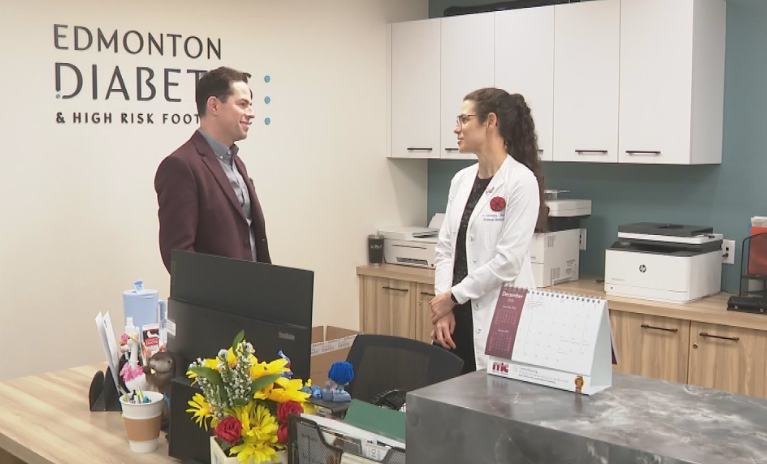
An Edmonton clinic has introduced what it claims is Alberta's initial self-referred insulin pump program, enabling individuals with Type 1 diabetes to receive consultations without a referral. The devices offer a convenient and discreet approach to insulin administration. Many of these pumps connect to continuous glucose monitors to fine-tune insulin levels throughout the day.
The Edmonton Diabetes and High Risk Foot Clinic established this program to eliminate care obstacles, especially for those without a primary care provider. Patients can schedule a consultation via online booking or phone call without requiring a referral from a general practitioner or specialist. The initial appointment involves a phone discussion with a nurse practitioner and certified pump trainer, facilitating the process from anywhere in Alberta.
Following this, suitable candidates are evaluated by a physician at the clinic's central Edmonton location before commencing the insulin pump process. The clinic states there is no waiting list and most patients can commence insulin pump therapy within approximately two months, contrasting with wait times of up to two years at other health facilities.
Dr. Daniel Shafran, the medical director and co-founder of the clinic, emphasized the importance of prompt treatment. "A referral shouldn't be what stands between someone and the best available treatment," he noted. The clinic's program emerged in response to a rising demand, particularly among patients struggling to locate a family doctor.
Dr. Shafran explained one of the most frequent inquiries he receives pertains to finding a family doctor. According to Diabetes Canada, around half a million Albertans have diabetes, of which approximately five to 10 percent, or 25,000 to 50,000 Albertans, have Type 1. In 2025-26, the Alberta government reported that over 7,000 Albertans utilized its provincially funded Insulin Pump Therapy Program, a significant increase from 4,000 in 2021-22.
The ministry emphasized that provincial data does not account for all insulin pump usage, as some Albertans may receive coverage through private or employer-sponsored plans. Dr. Shafran expressed concerns about access for patients without primary care providers and those with Type 1 diabetes who might benefit from insulin pumps.
Tina Kresic, diagnosed with Type 2 diabetes in 2018 and later with Type 1 in 2022, shares her experience of struggling with her health due to her providers' lack of attentiveness. She credits her insulin pump for improving her health significantly. "It’s basically my lifeline," she stated. Kresic hopes the new program will ease access to treatment for other Albertans facing similar challenges. November marks Diabetes Awareness Month, with World Diabetes Day observed annually on November 14.
Written by urgent.news from Global News's reporting — not their text. Machine-written — may contain errors; check the original before relying on it.