DR Hesbon Owilla: When Polls Raise More Questions Than Answers
While TIFA is among Kenya’s established pollsters, its findings raise questions about the methodology, framing of questions and conclusions drawn from the results.
Pioneer of opinion polling, George Gallup, believed polls enable citizens to voice their concerns and help leaders understand public opinion better than relying on lobbyists or personal impressions. However, sociologist Pierre Bourdieu warned that polls can create an illusion of consensus by asking questions that presume everyone has an opinion or that all opinions are equally valid.
In TIFA’s latest political survey in Kenya, these criticisms apply. While TIFA is a well-known pollster in Kenya, its findings raise questions about the methodology, framing of questions, and conclusions drawn. One major issue is sampling. With a sample of 2,036 respondents nationwide, can the conclusions about political preferences across eight regions be trusted?
It depends on the number of respondents per region, the sampling frame, selection methods, and the margin of error in regional estimates. For example, how many were interviewed in Western Kenya? Was the sample representative enough to support claims about political preferences there? Just describing a sample as random isn’t enough.
Probability sampling needs a clearly defined sampling frame and transparent respondent selection procedures. Without these, it's hard to know if the survey truly reflects the population or if it's biased like convenience sampling. The second issue concerns how questions were framed. TIFA asked Kenyans if they supported or opposed the government arrangement between UDA and ODM.
In November, 43% opposed it, 32% supported it, and 25% had no opinion. Opposition had dropped from 52% in June. On paper, opposition is declining, but what exactly do respondents oppose? The broad-based arrangement after July 2024 protests isn't necessarily the same as the political proposition discussed today. Is a Kisumu voter reacting to Oburu Oginga's current negotiations or the original understanding?
Is a Mt. Kenya voter opposing cooperation in principle or reacting to Gachagua's criticism? By forcing a binary choice, the question may be collapsing three different judgments: support for cooperation, approval of Ruto's government, and confidence in ODM's negotiating leadership. Another problem is how the survey framed responsibility for opposition disunity.
43% blamed Gachagua, 15% Ruto and UDA, 7% Sifuna, and 6% Kalonzo Musyoka. These figures make good headlines but don't tell us much. It's unclear if the question was asked to opposition supporters or everyone. More importantly, it reduces a complex political crisis to blaming individuals. The political tie between Ruto and Sifuna is also questionable.
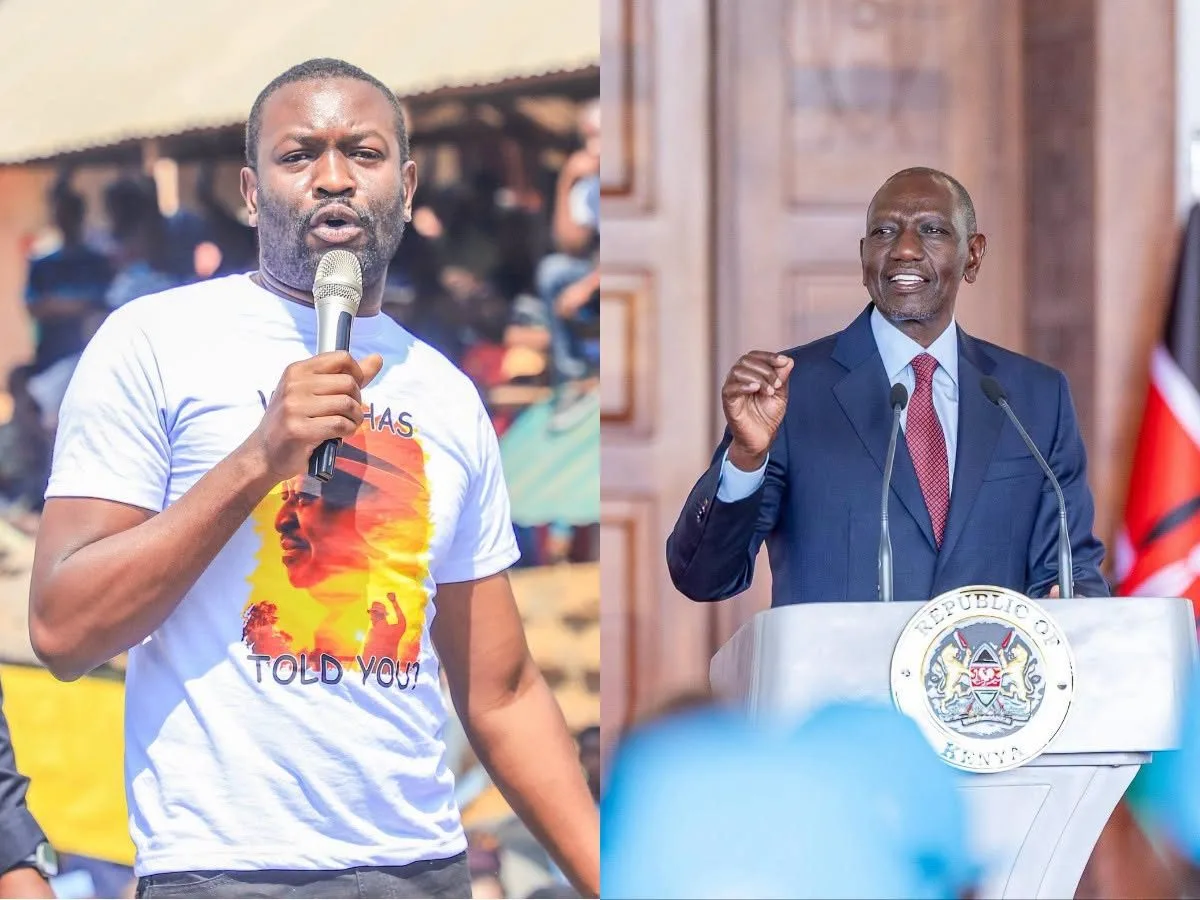
In November 2025, Ruto stood at 31%, while Sifuna rose to the same level. However, Sifuna's support primarily comes from within the opposition rather than Ruto's base. The combined opposition support, including candidates, was around 67% in November 2025 but has now dropped to about 50%, including Sifuna. This suggests a redistribution rather than expansion of support.
Ruto, on the other hand, has gained 12 percentage points. Even considering the survey's limitations, Sifuna seems to be drawing support from established opposition figures rather than the President's base. While TIFA warns that combining support for other opposition candidates doesn't guarantee Sifuna reaching the 50% plus one needed to win an election, this narrative serves several interests.
It lets Ruto appear resilient, gives Sifuna a claim to opposition leadership, and offers media an exciting political race. But what about voters who say life is worse than in 2022 yet still support Ruto? Is that support because they like his performance, particularly after the 2024 Cabinet reshuffle, or because they dislike the fragmented opposition?
These are the questions pollsters should be asking instead of just asking if Kenyans oppose the broad-based arrangement.
Written by urgent.news from Capital FM Kenya's reporting — not their text. Machine-written — may contain errors; check the original before relying on it.