China dilemma in New Delhi
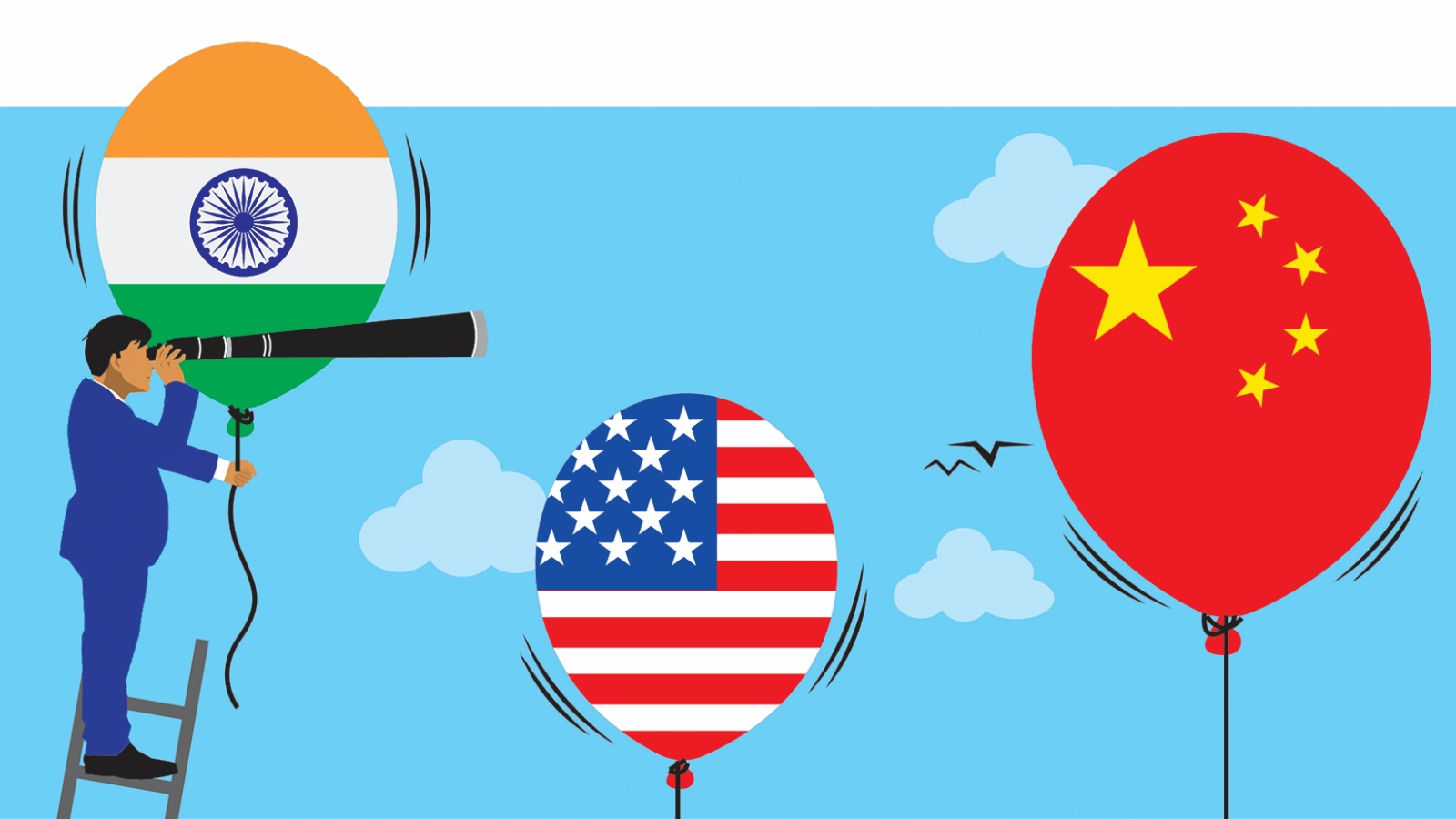
In recent months, the US has consumed much of New Delhi's diplomatic bandwidth, with officers facing surprises daily. This relationship, carefully nurtured by both Congress and BJP governments for 25 years, requires finesse to navigate the unpredictability. The mid-term elections in the US suggest a shift in dynamics and engagement strategy. The Democrats now hold majorities in both the House of Representatives and the Senate, and New Delhi may look beyond the White House, expanding its outreach to new Democrat lawmakers.
However, the relationship with China remains a significant challenge. Despite recent efforts to ease tensions, India struggles to move forward, recognizing Beijing's growing strategic leverage. China's transformation since Deng Xiaoping's reforms in 1978 has been remarkable, emerging as a global economic power and rivaling the US.
President Xi Jinping has emphasized the need for China to foster strategic emerging industries, including semiconductors, electric vehicles, artificial intelligence, renewable energy, critical minerals, and future sectors like commercial spaceflight and quantum computing.
India's dilemma lies in whether and how to fast-track business with China. The cooling of relations since the military standoff in Ladakh in 2020 necessitates a disengagement deal. Resuming high-level dialogues and restoring predictability in relations is crucial, but dismantling restrictions and restoring normal processes pose considerable challenges.
New Delhi must expedite business visas, security clearances, and allow Chinese industries to build factories. While India's trade with China has increased significantly, the trade deficit has also ballooned, reflecting the country's dependencies on China. Despite these challenges, India Inc's imports from China have not diminished.
However, building domestic capacity is not yet seen as an imperative, and many corporations fail to recognize the impact of China's restrictions on their businesses. The government is aware of the risks associated with over-reliance on imports and has sought to support industry capacity building through programs like the Productivity-Linked Incentive Scheme.
Apple's success in India, becoming the second-largest iPhone exporter after China, is a testament to the scheme's potential to increase domestic value addition. However, as tensions between the two nations cool, engagement needs to regain momentum. India must step up its manufacturing capabilities while carefully calibrating security-related sensitivities with different ministries to simplify procedures.
Ultimately, Beijing's actions are not within India's control, and the country must focus on addressing its pressing needs.
Written by urgent.news from The Indian Express's reporting — not their text. Machine-written — may contain errors; check the original before relying on it.